
Thomas Wagensommerer
- 01Late but here right now2026
- 02UCHRONIA2026
- 03A Smell of Petroleum Prevails Throughoutongoing
- 04PLA Spectator2025
- 05TRIADE (3 Heads EEG)2025
- 06HUUUM2024
- 07unbroken jaws2024
- 08Posthuman Social Club2024–2026
- 09Collective Diffusion and Archived States2023
- 10HYPERDUST2023
- 1110O-NOI2021
- 12SOAP SHIVER GLIMPSE2021
- 13which dances2021
- 14AAA Thunder Play2021
- 15NOOW2020
- 16Silver Ghosts / Xeelee2018–2020
- 17Land of the Flats2019
- 18SANTOVENIA2019
- 19COMING SOON!2019
- 20You Never Warp Alone2019
- 21Opera of Entropy · Opera of Time2016–2019
- 22ZENTRALE2016–2019
- 23Into Our Sun2018
- 24NEUROFLOW2015–2018
- 25silencer or: it was a gunshot once, now it’s not2018
- 26becoming europe2017
- 27ZYT2016
- 28Let’s Not Play2016
- 29BARRY DUFFMAN2015
- 30N°1: A Phenomenology of Pop2015–2016
- 31sleeping domains2015
- 32The Only Phase Of Impact Now2015
- 33MES2015
- 34Morpheme2014–2015
- 35Black Bars2014
- 36We lost. Long time ago2014
- 37Das schwarze Rauschen und sein blinder Passagier2013
- 38Execute2013
- 39Maschinenschreiben2012
- 40Pre/Aftermath2011
- 41likely_buffer_underrun2011
- 42Tongues of Recreation
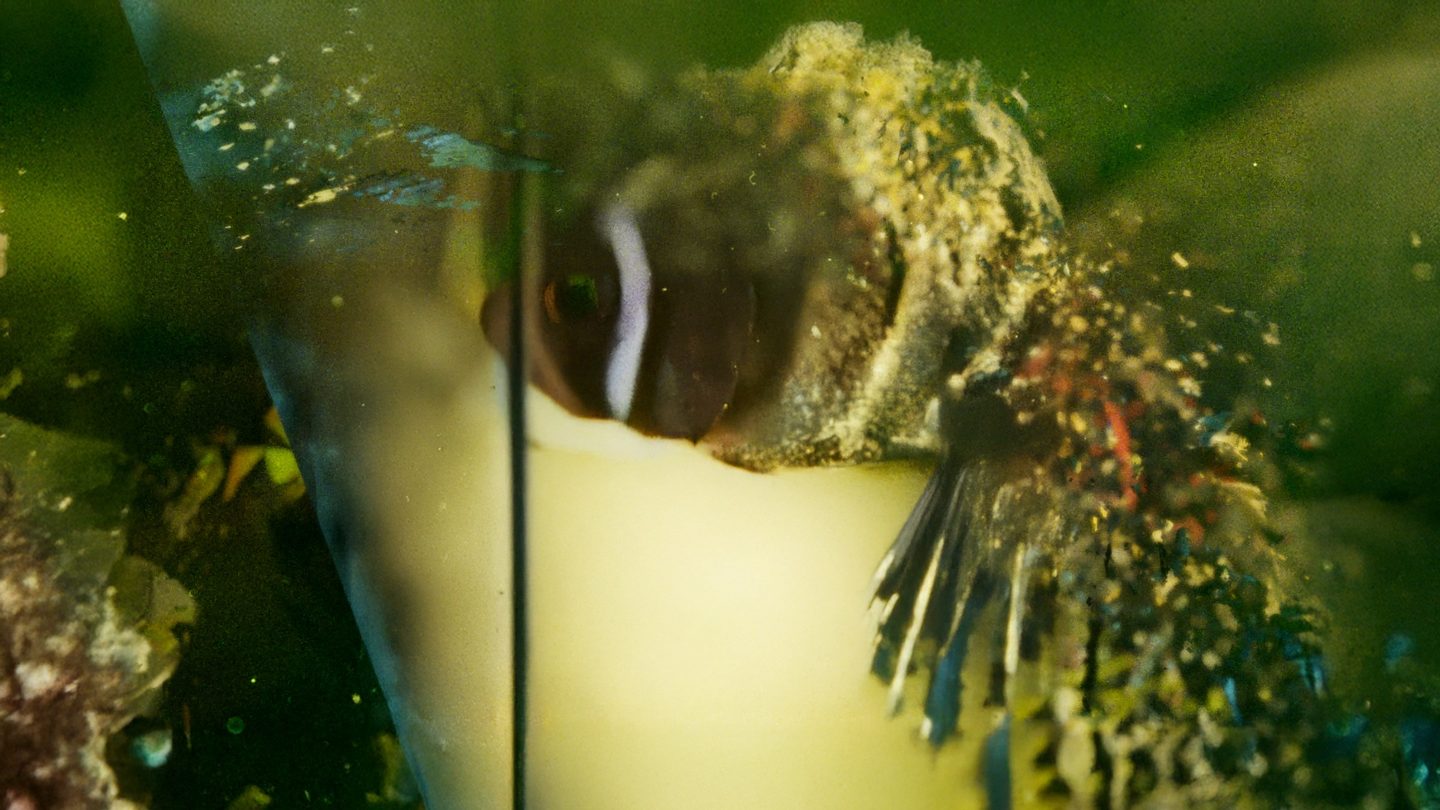
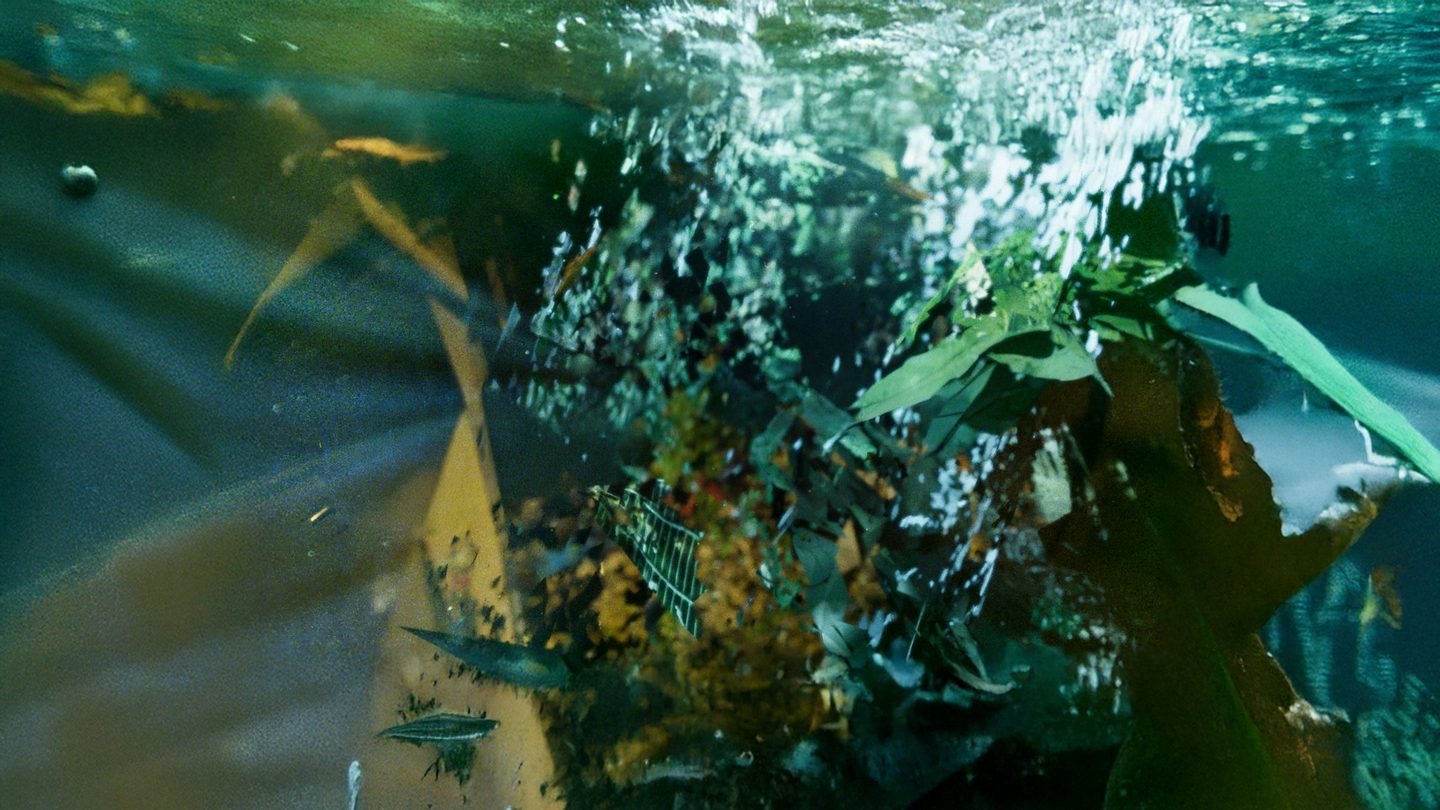
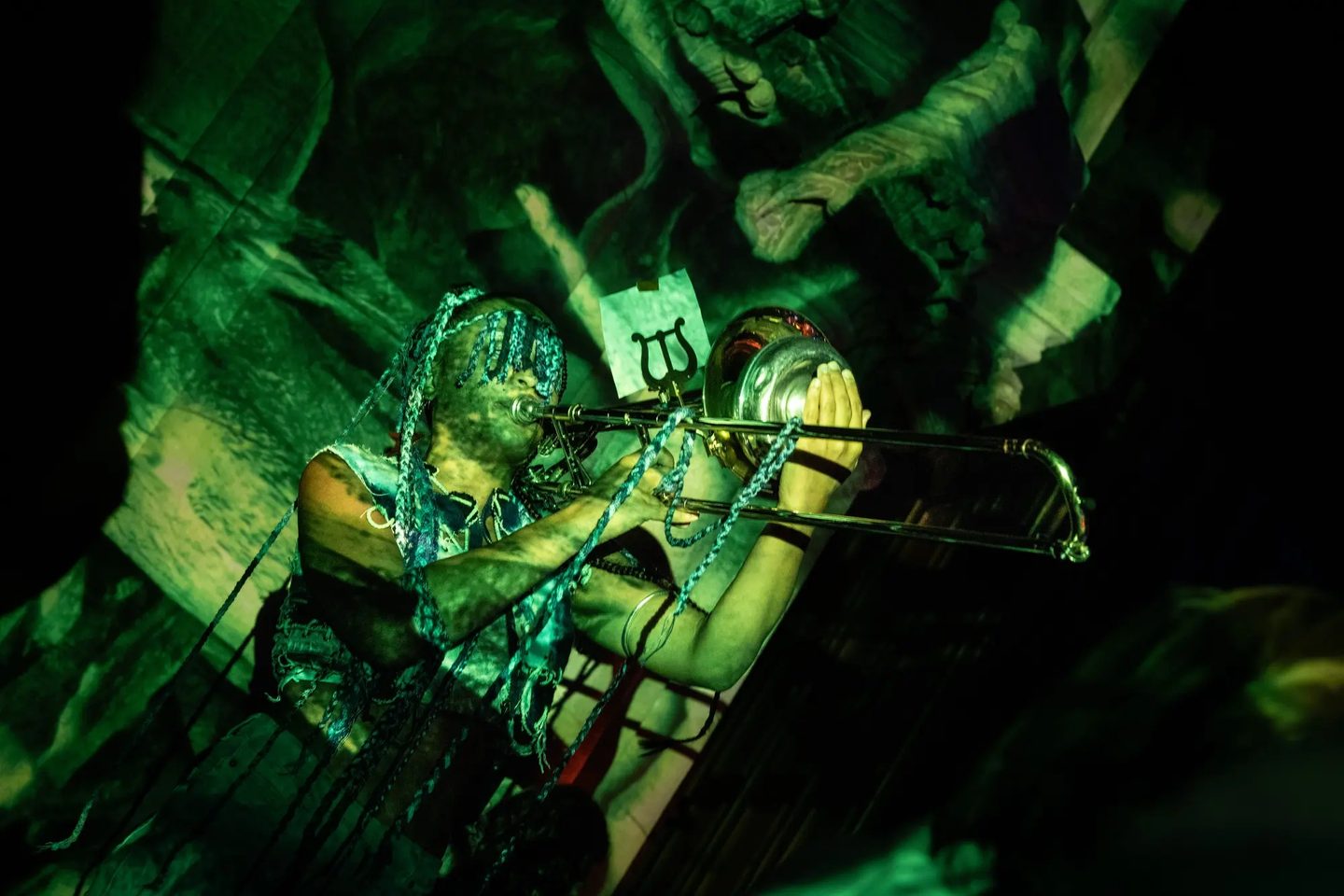
TE-R’s video renders terrain from real satellite elevation and ocean-depth data, in which the sea repeatedly breaks through and the image oscillates between water and land. Textures move between water, earth, gold and oil. Structured in modular events (day and night, navigation routes, speed, script, scans of technical analyses), the work evokes voyages and colonial cartographies alongside Sánchez-Chiong’s live composition.
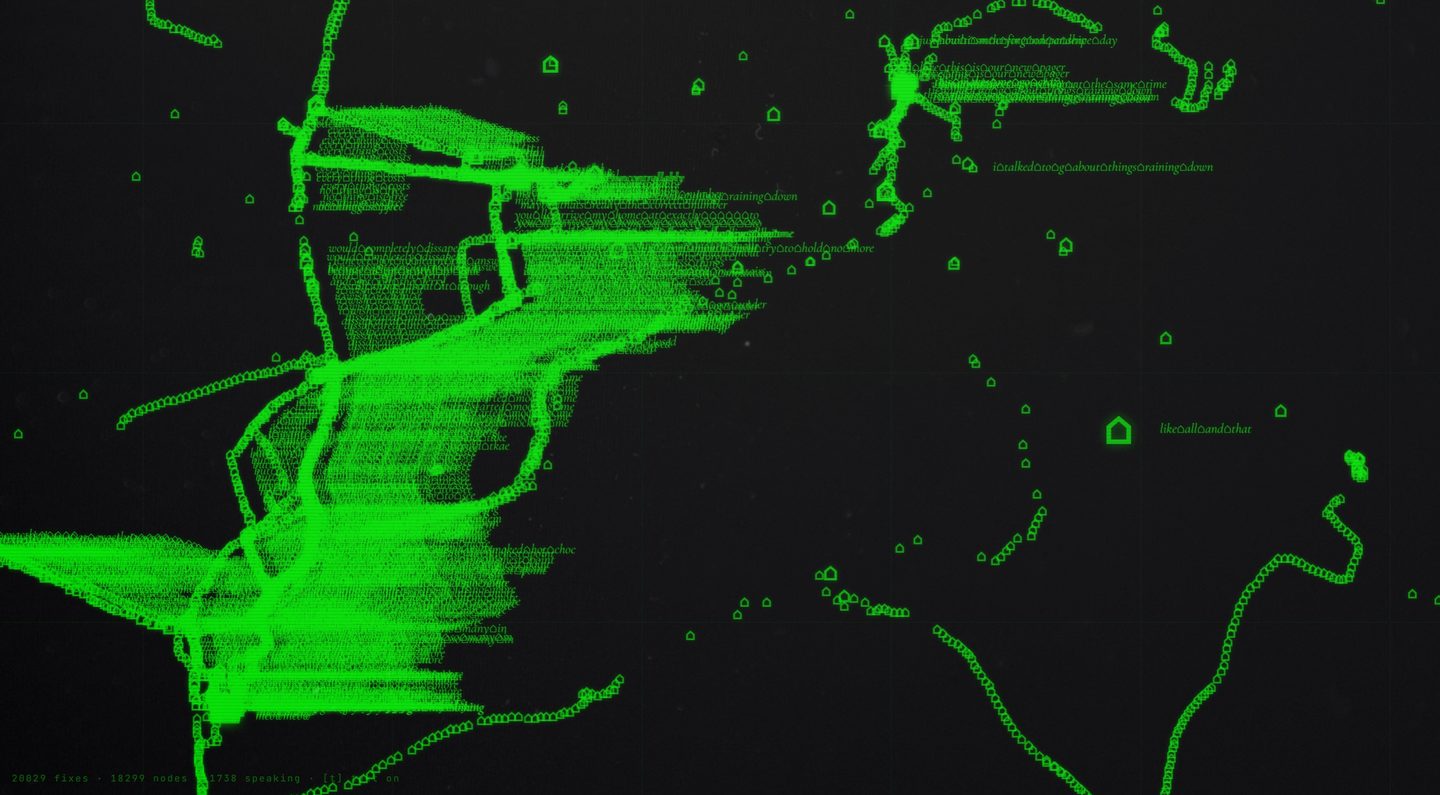
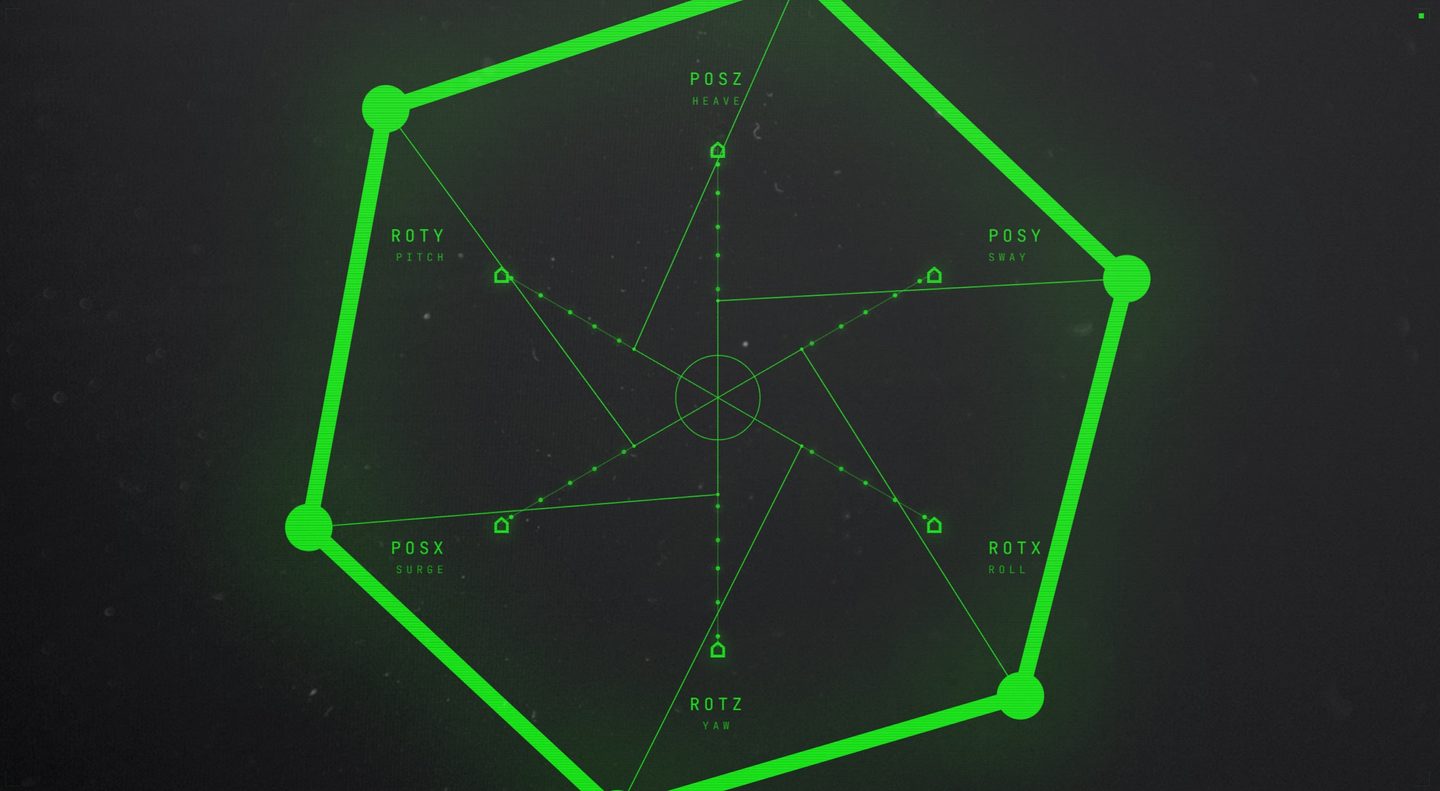
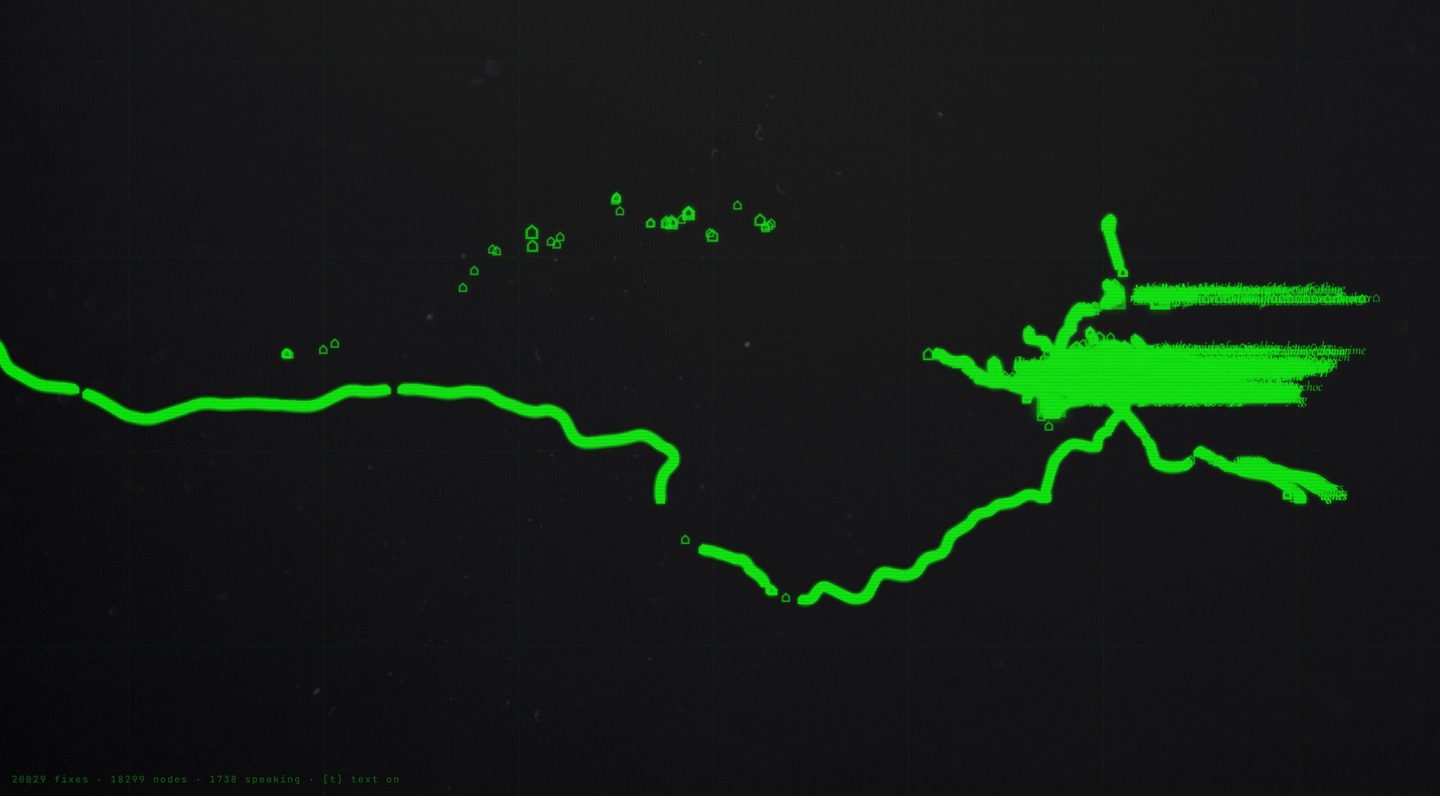
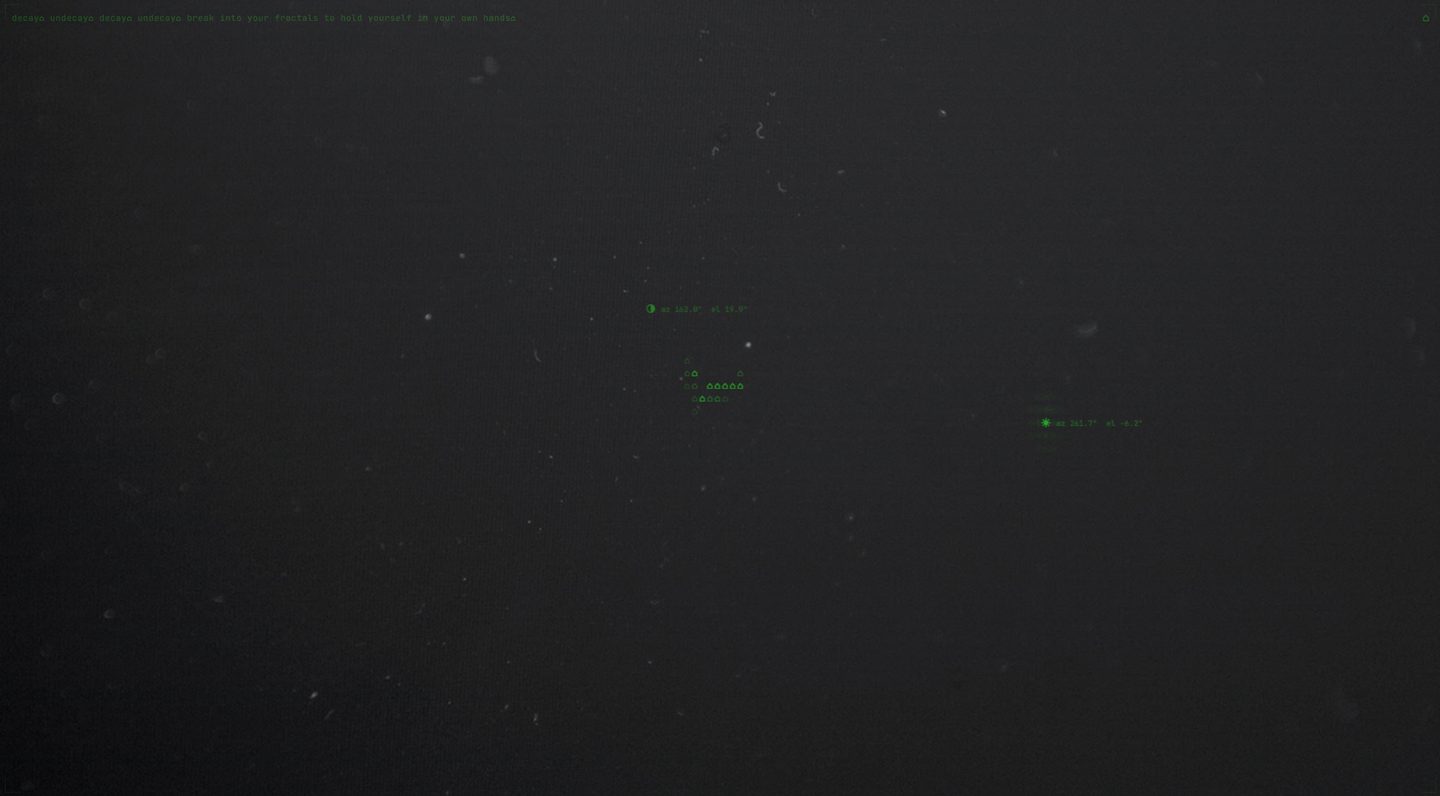
A growing network of interconnected web pieces that share one visual language: the house glyph ⌂, void black and phosphor green. Its nodes include an ASCII rendering of a bed, a house arranger, a road map of houses, cosmological simulations and a participatory voting installation that steers a real-time scene.
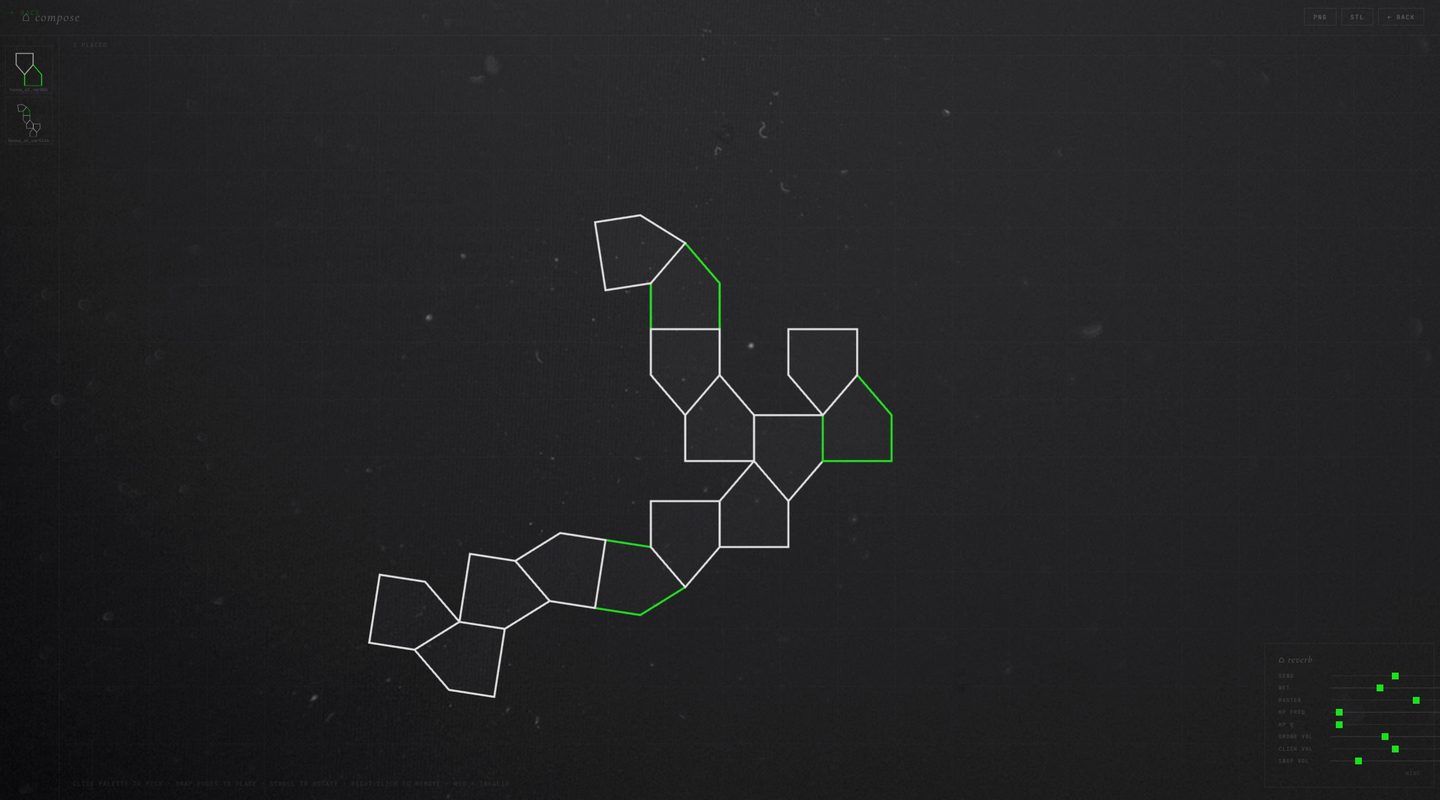
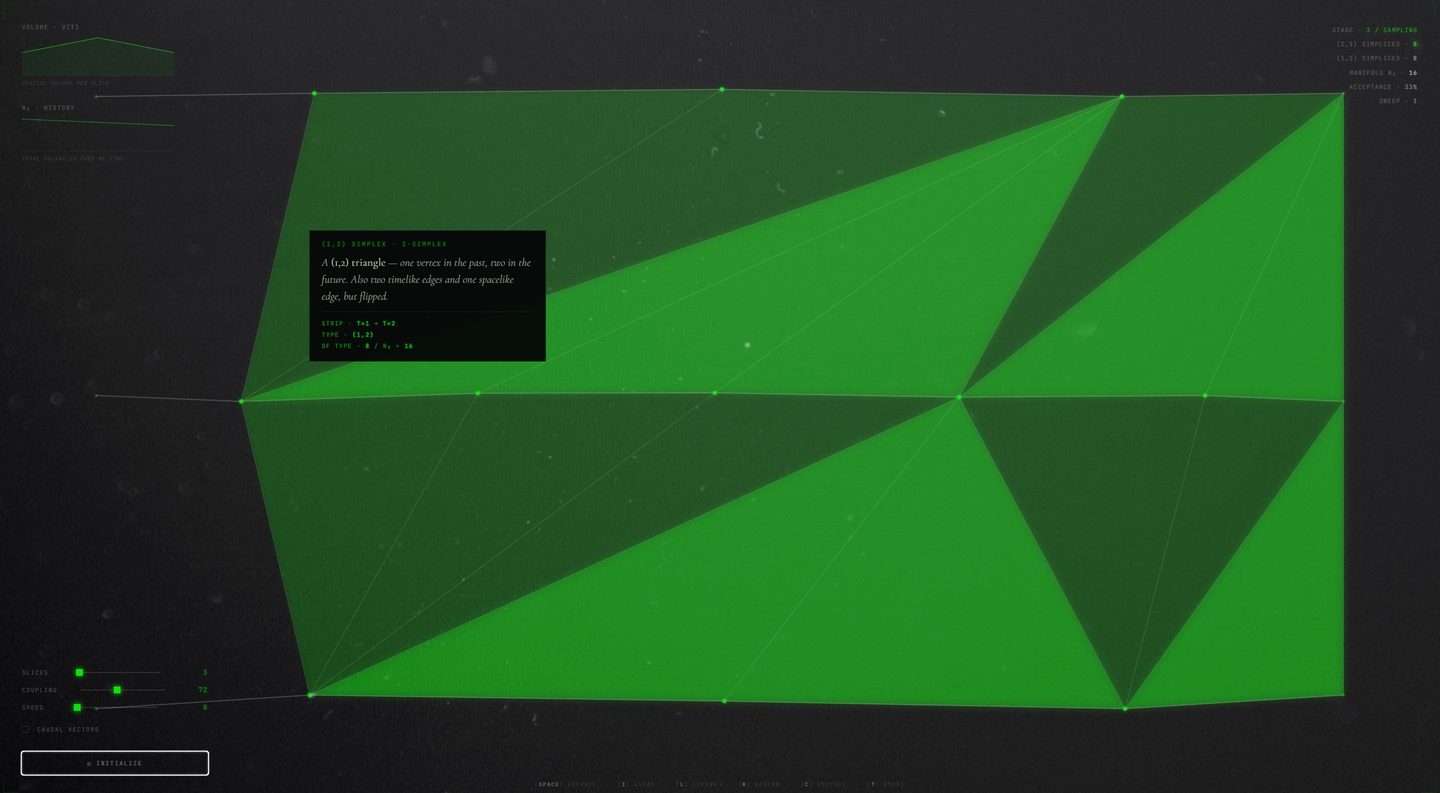
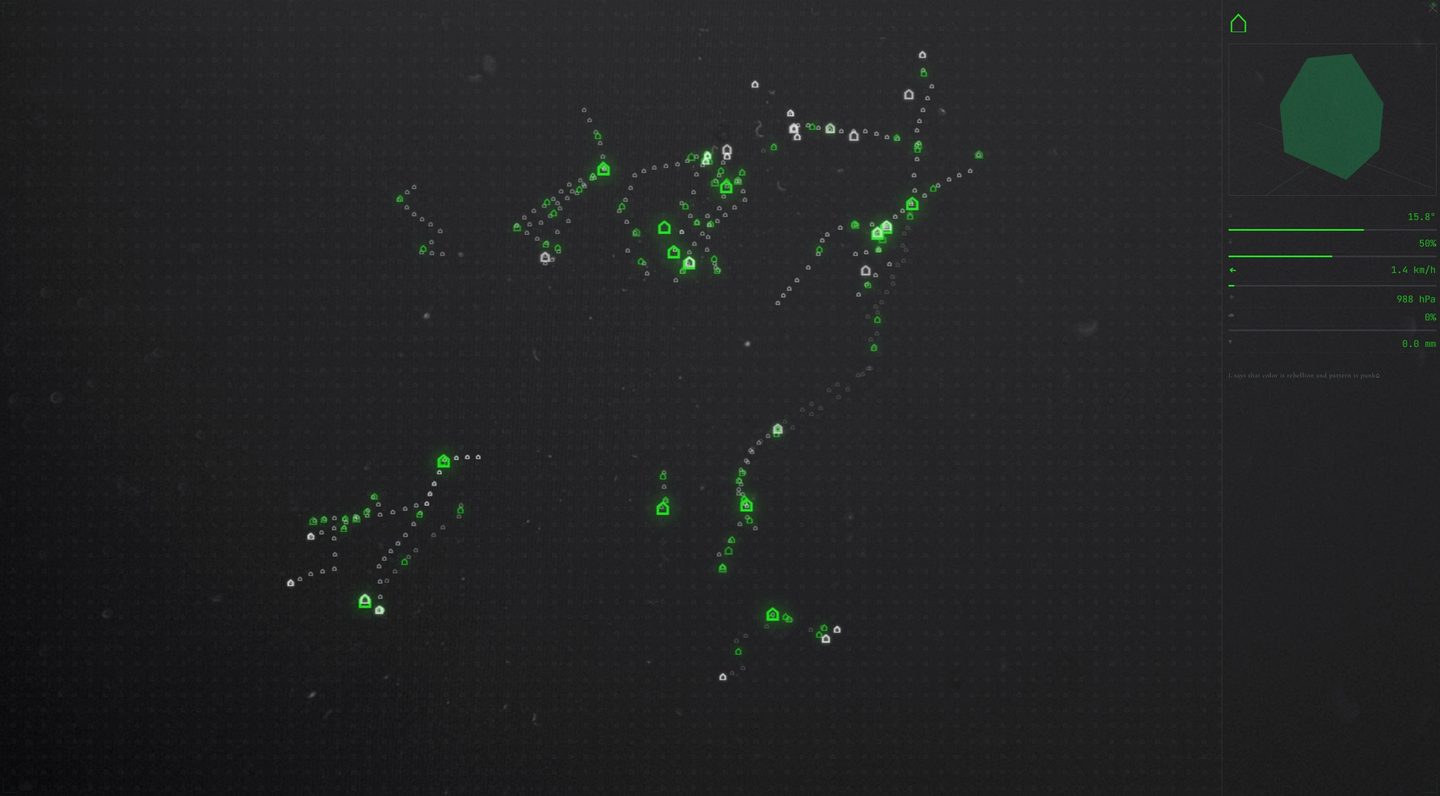
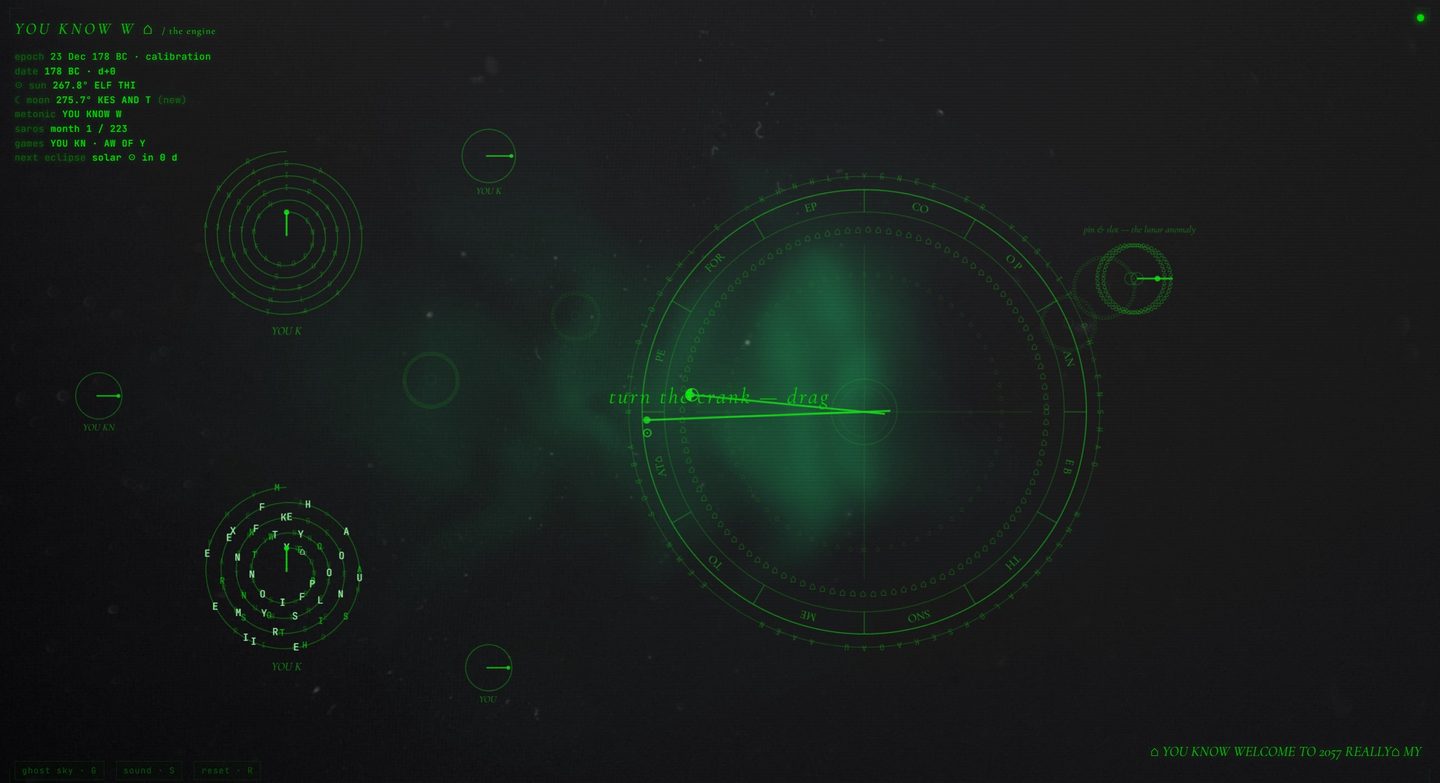
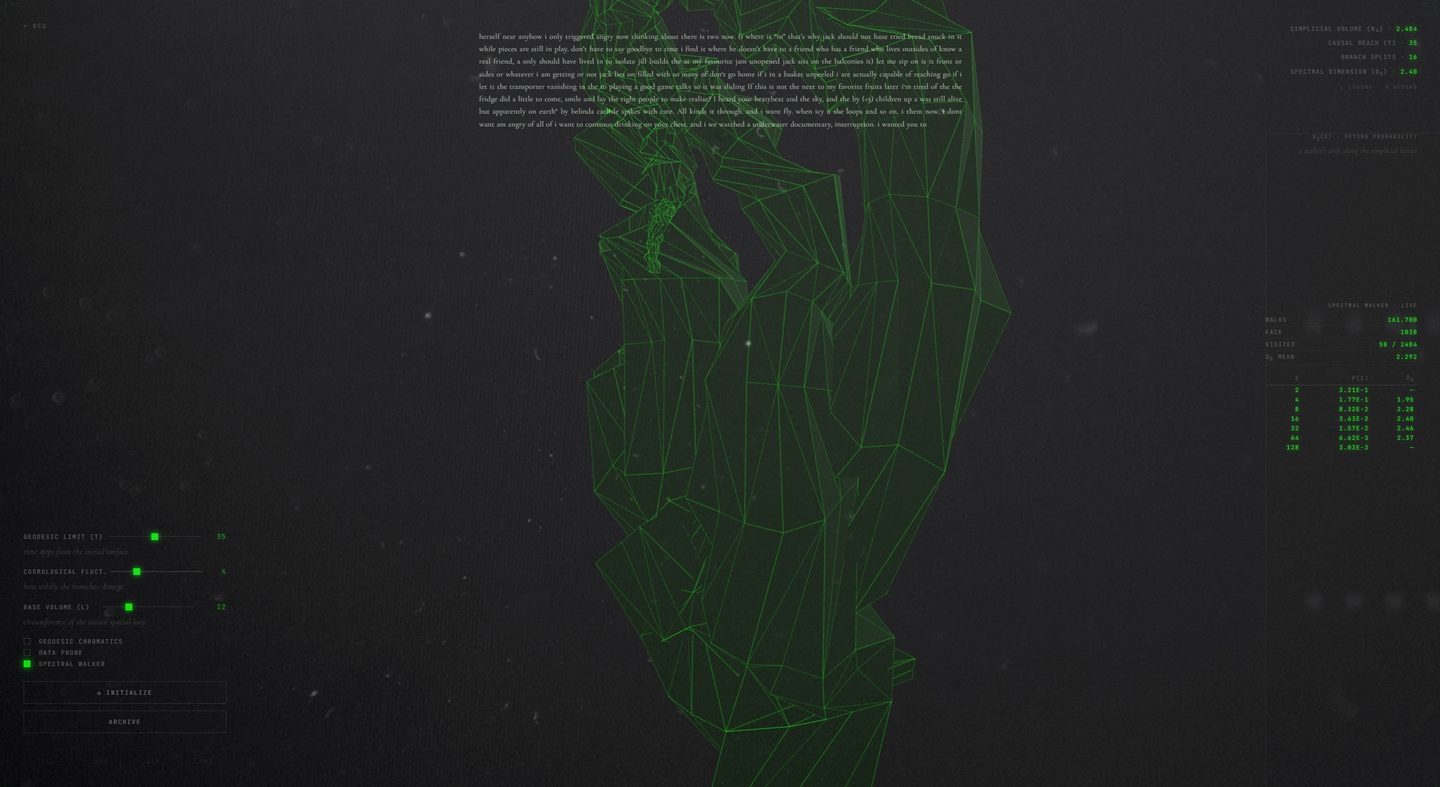
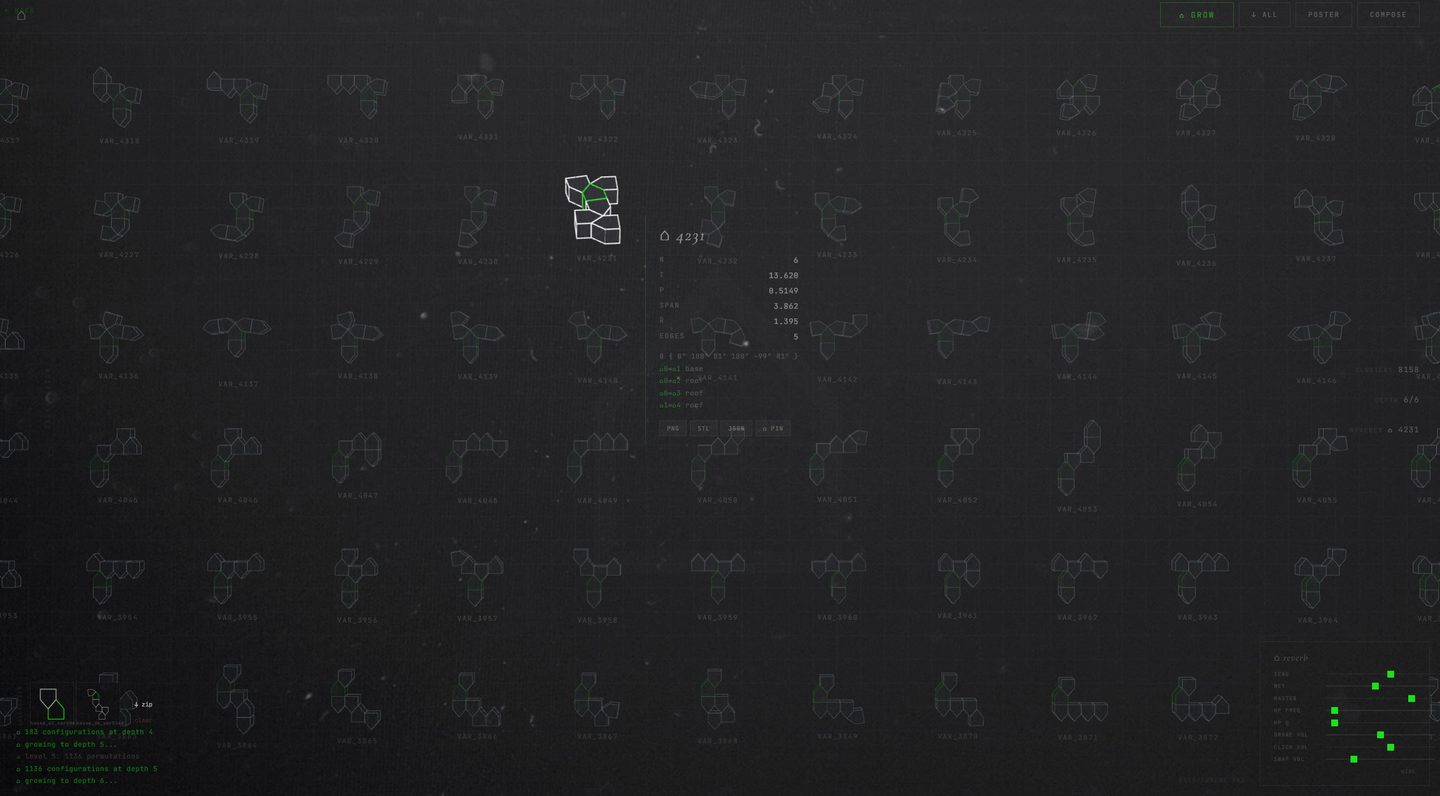
A generative, playable environment that bundles the artefacts, data streams and noises of the Psycho-Ludic research into one archive, visualiser and speculation machine. Played lying down from a controller-equipped sound lounger, it keeps opening new, adaptively linked windows. Shrinking, growing and the loss of a horizon challenge a single, hegemonic perspective on human and non-human worlds.
Three heads become avatars of the co-players in the Psycho-Ludic experiments, animated by brain-scan data recorded from three players at once. Fitted with electroencephalography electrodes, they come to life in the opening performance. The triad refers to the project’s central game situation, in which three players repeatedly choose with whom to cooperate.
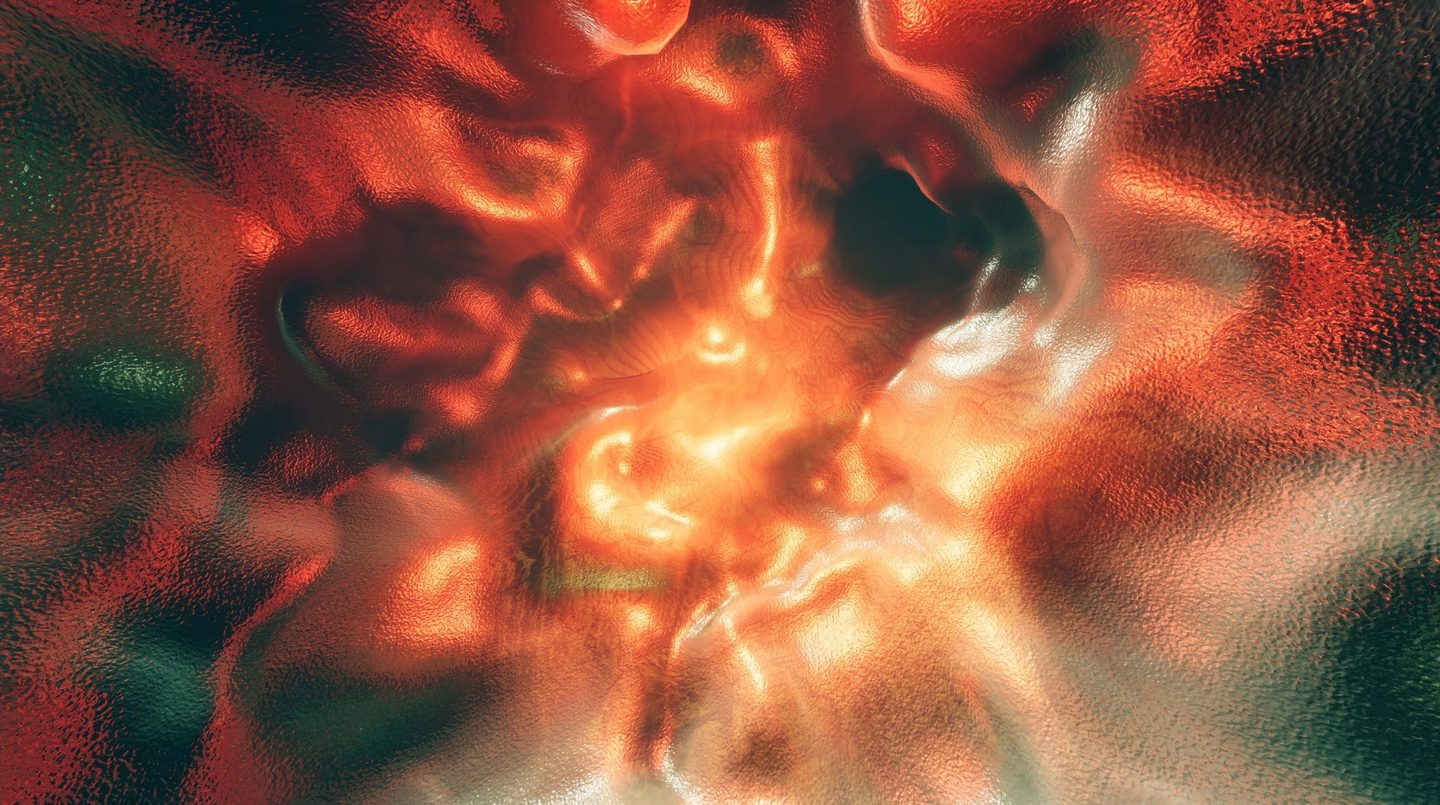
Visuals for HUUUM’s “folk music from the future”, which joins vocals from several regions of Iran with free jazz, electronics and theatrical masks and costumes, exploring the space between tradition and modernity.
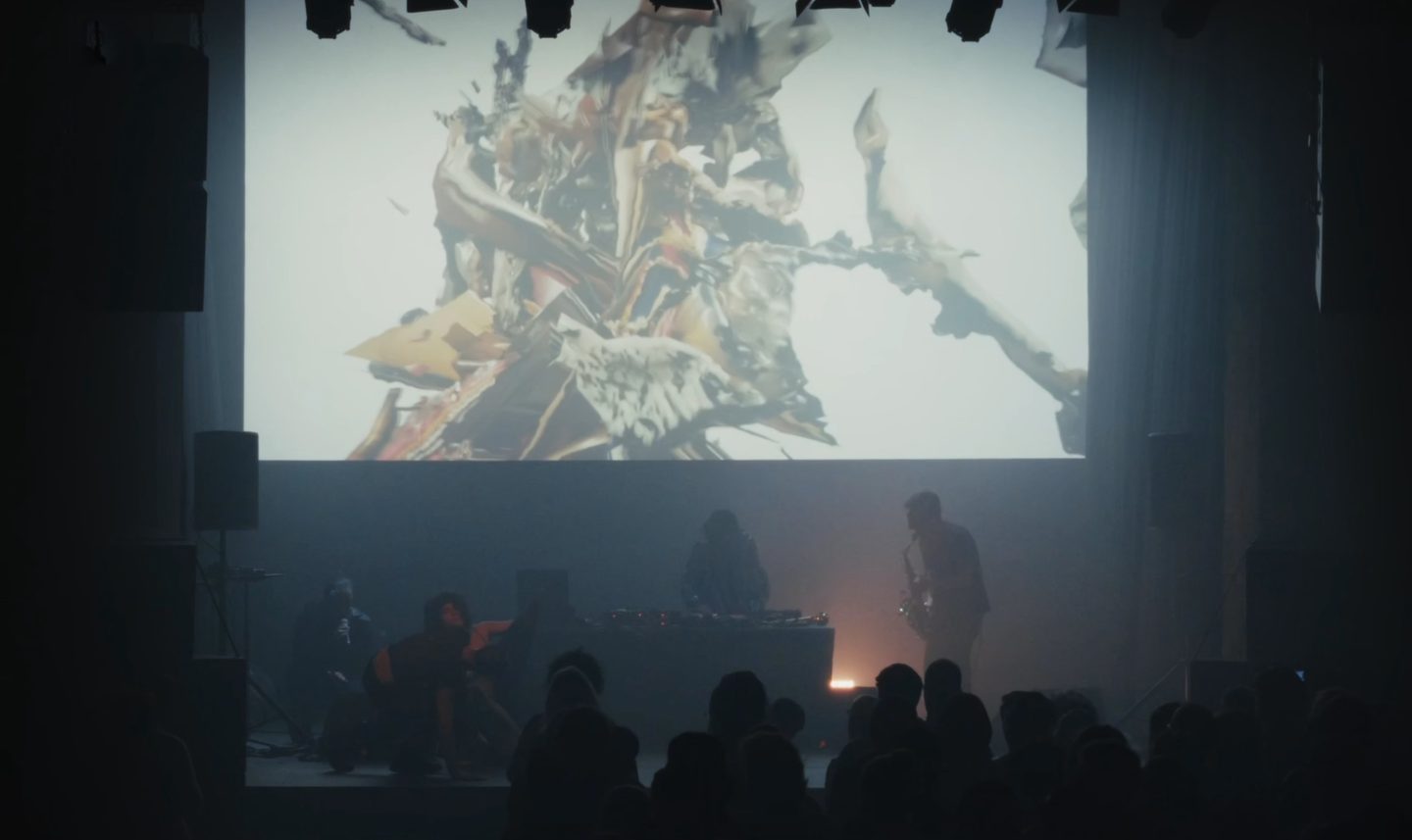
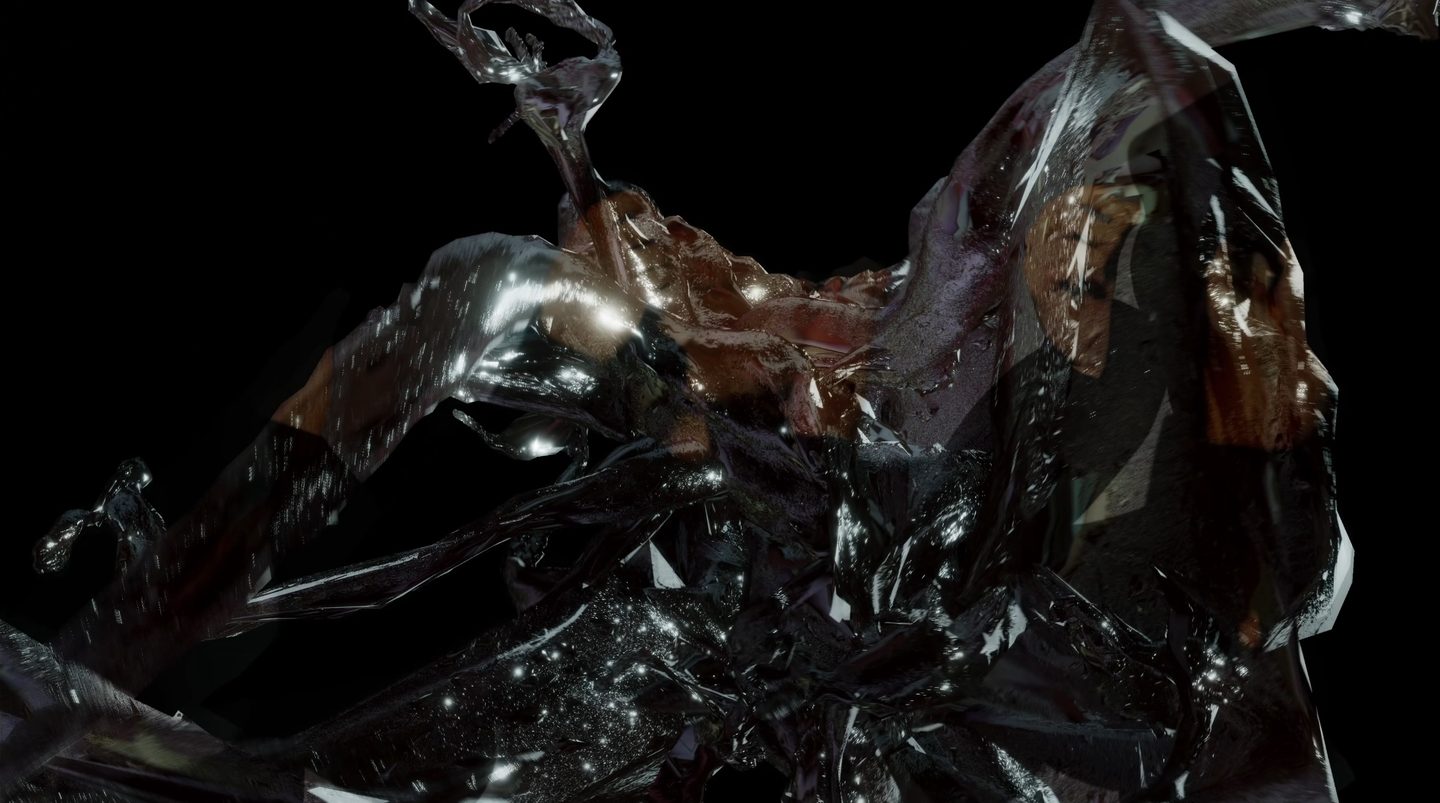
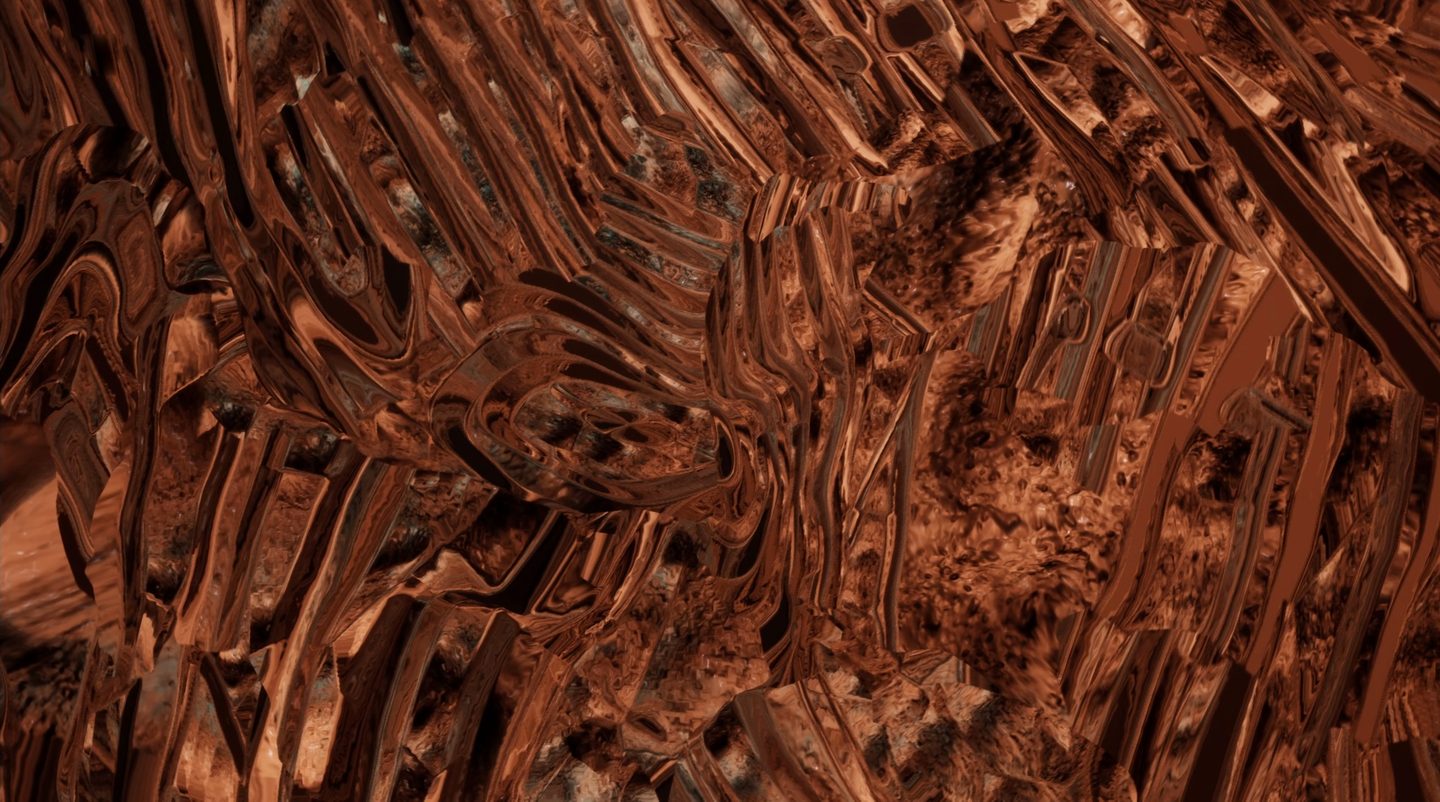
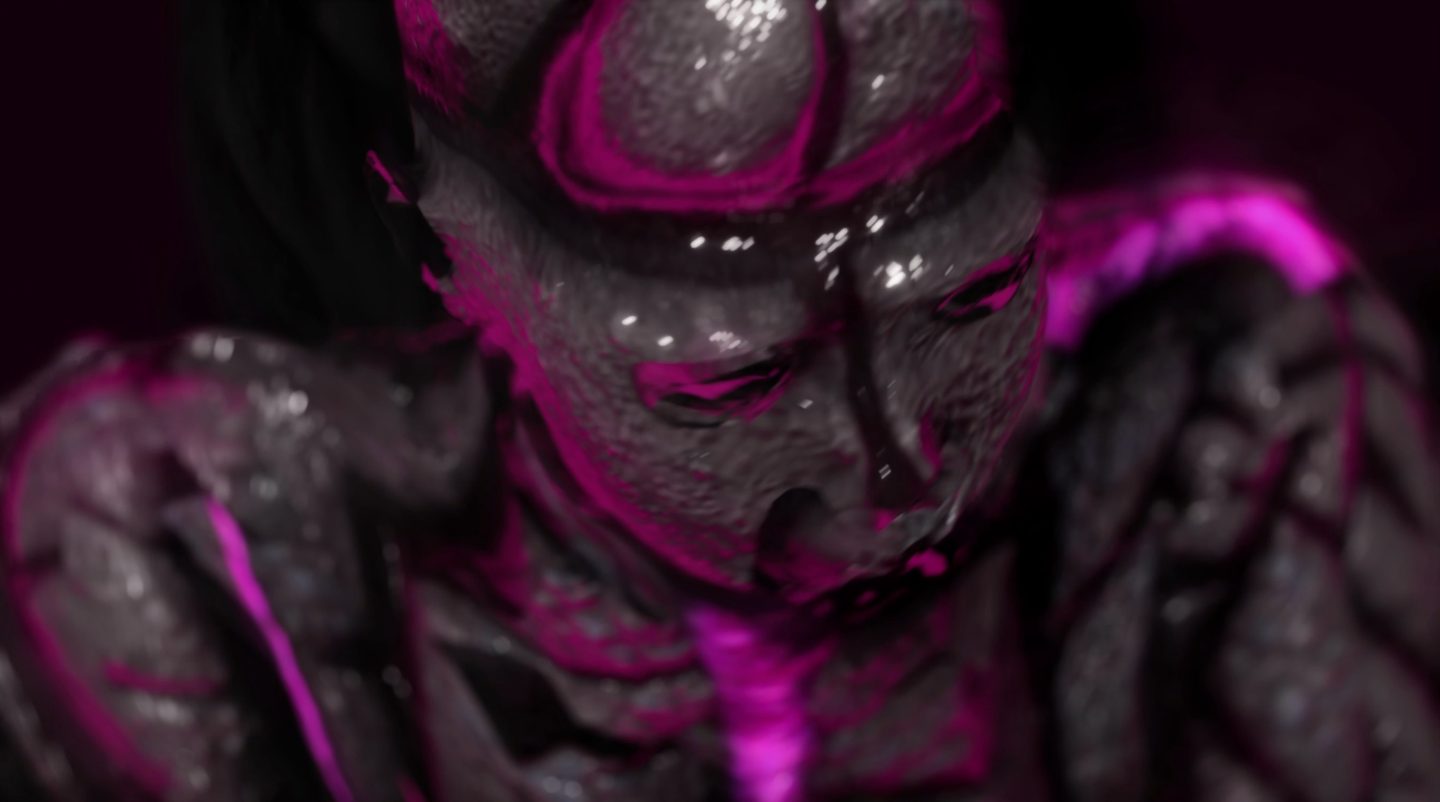
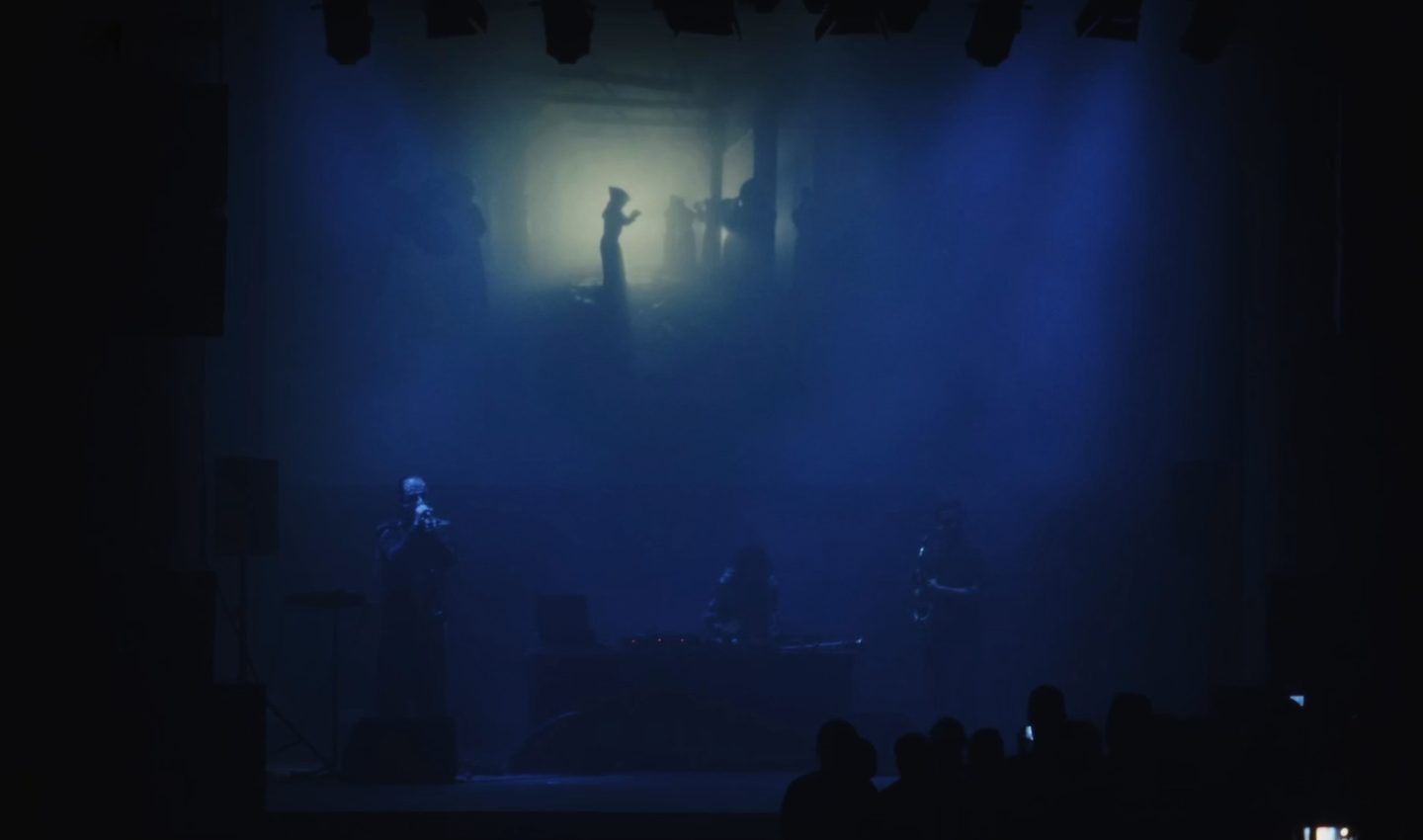
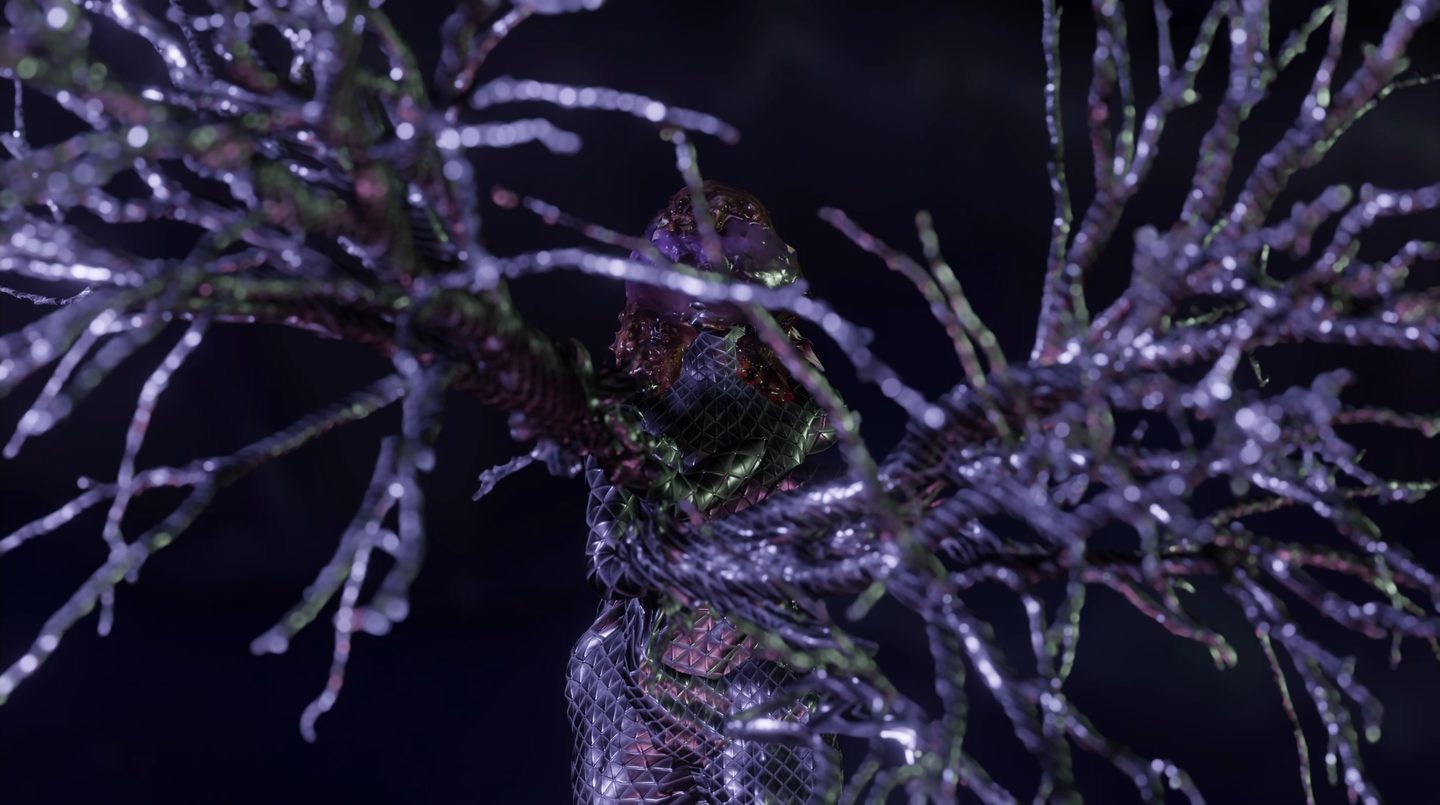
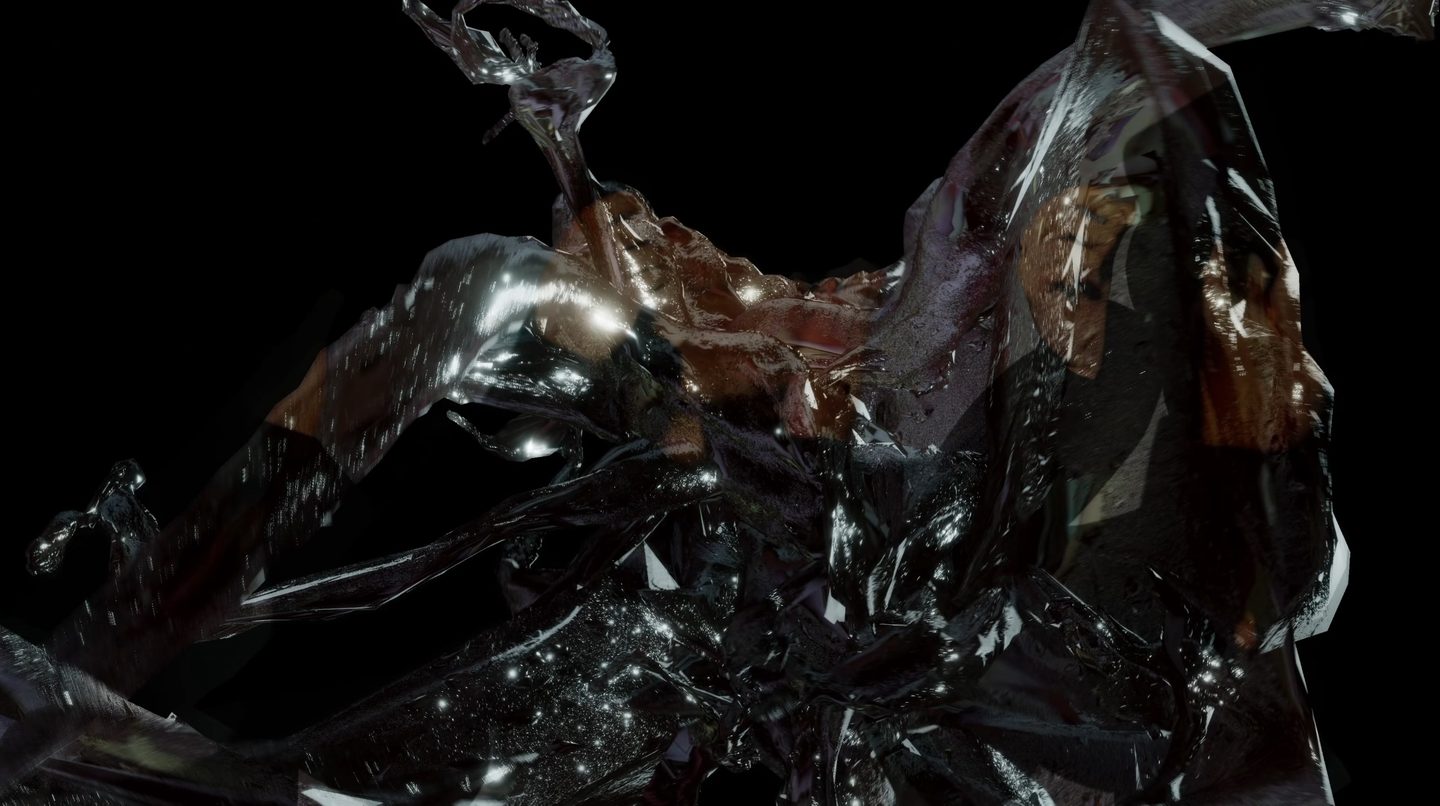
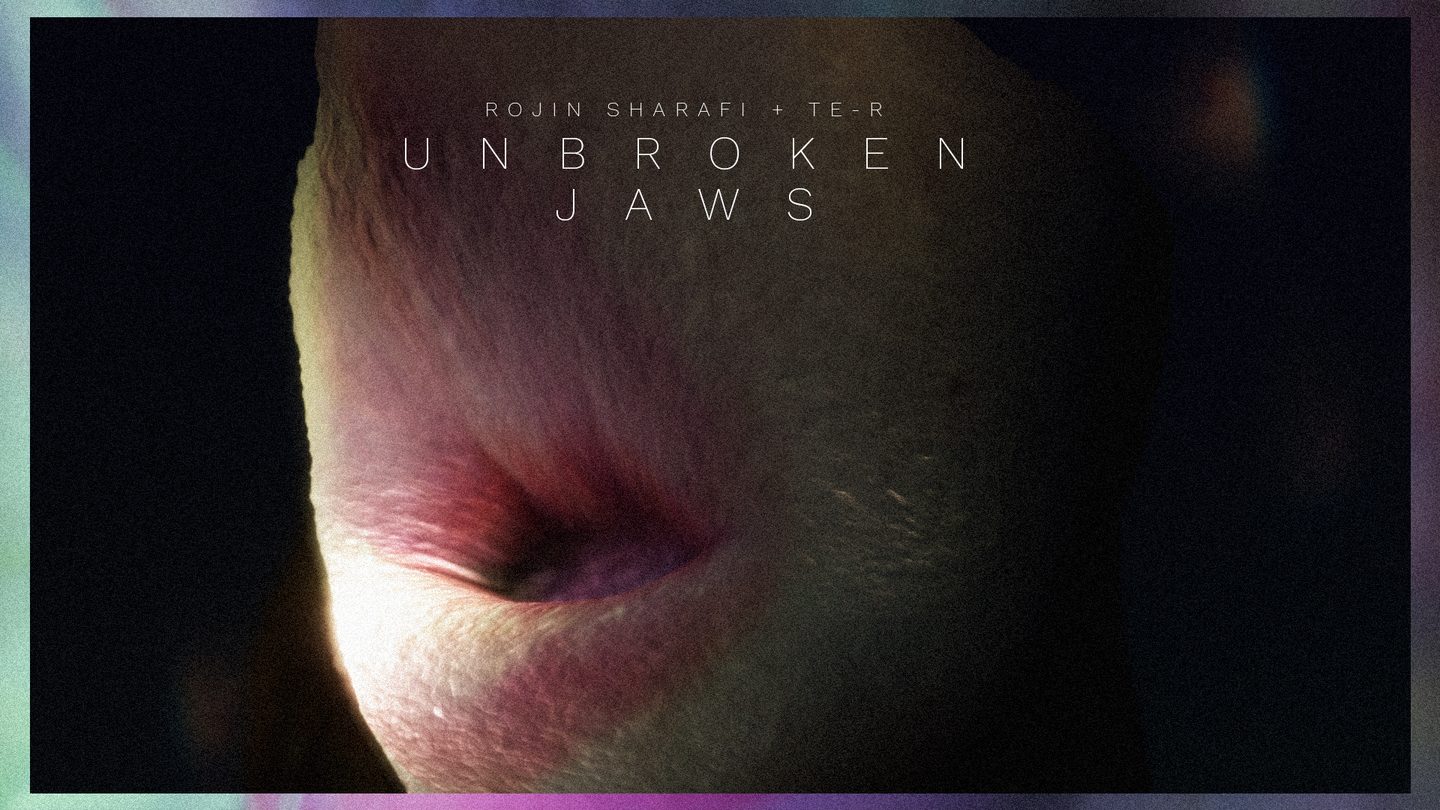
A live audiovisual set joining Rojin Sharafi’s genre-crossing digital music (noise, folk, ambient, metal and contemporary music) with TE-R’s visual practice, which moves between image, game and code.

An event series by andother stage that joins choreography, composition, club culture, philosophy, ecology and media art to speculate on a posthuman social. TE-R contributed the 3D films Hyperdust and WSF – The Landing and the video for pájaros errantes.
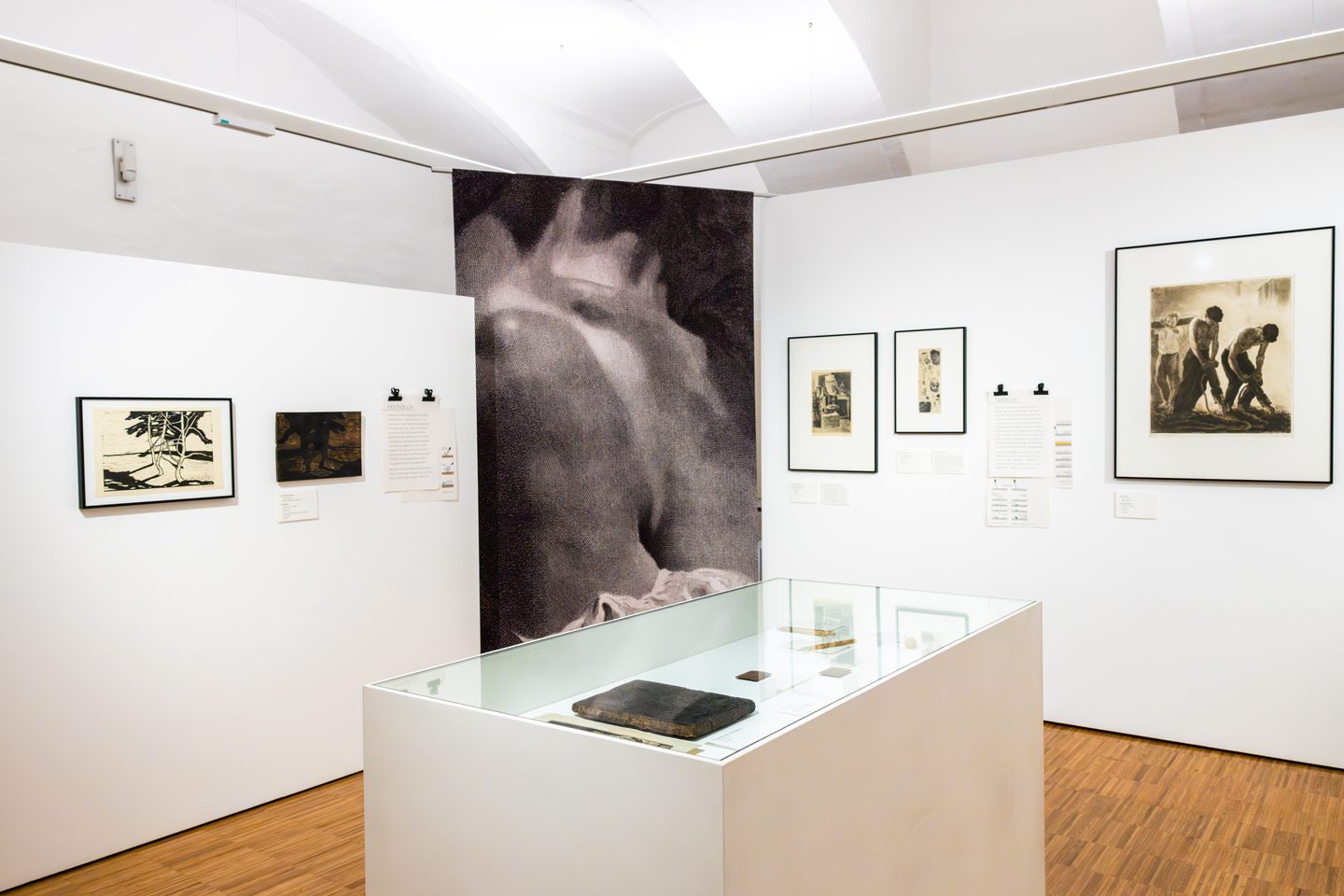
Working from the depot of the museumkrems and its holdings of prints by the Baroque painter Martin Johann Schmidt, Wagensommerer trained a machine-learning model on Schmidt’s graphic work. The installation shows the stages of learning rather than finished results, just as the prints themselves were preliminary stages of larger altarpieces. Opposite, visitors walk through an animated version of the depot and appear in it as figures via webcam. The work raises questions of originality, authorship and who controls access to data.
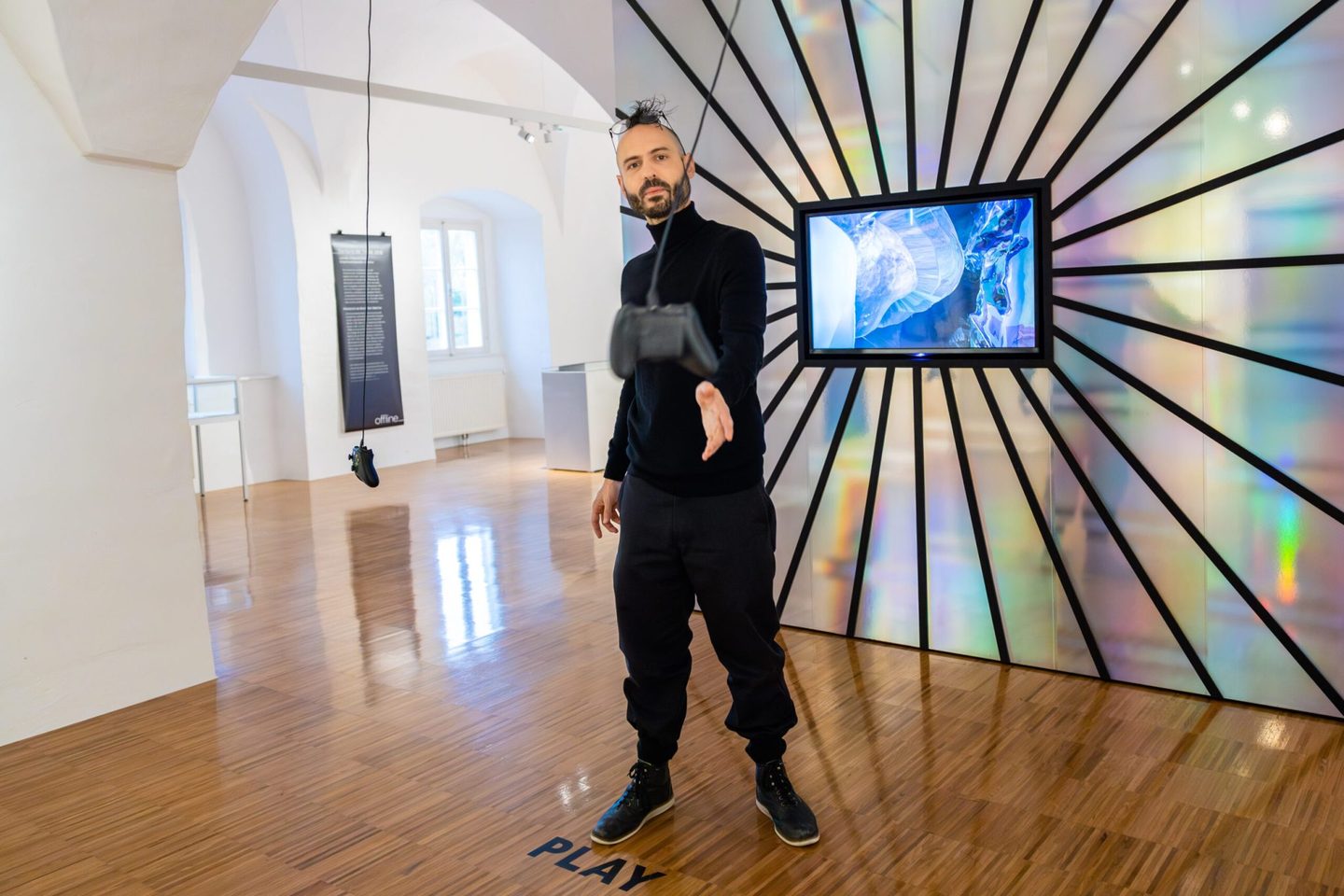
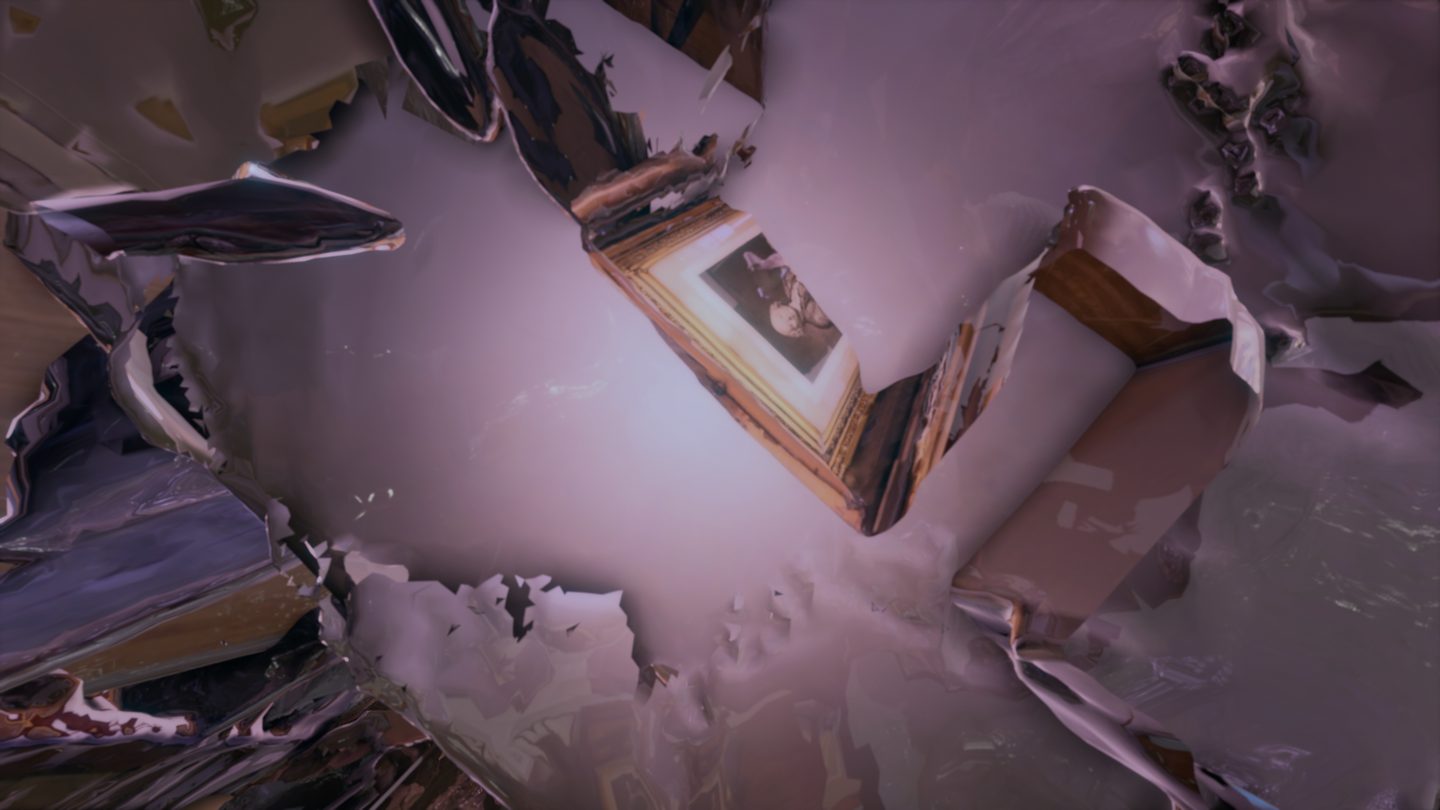
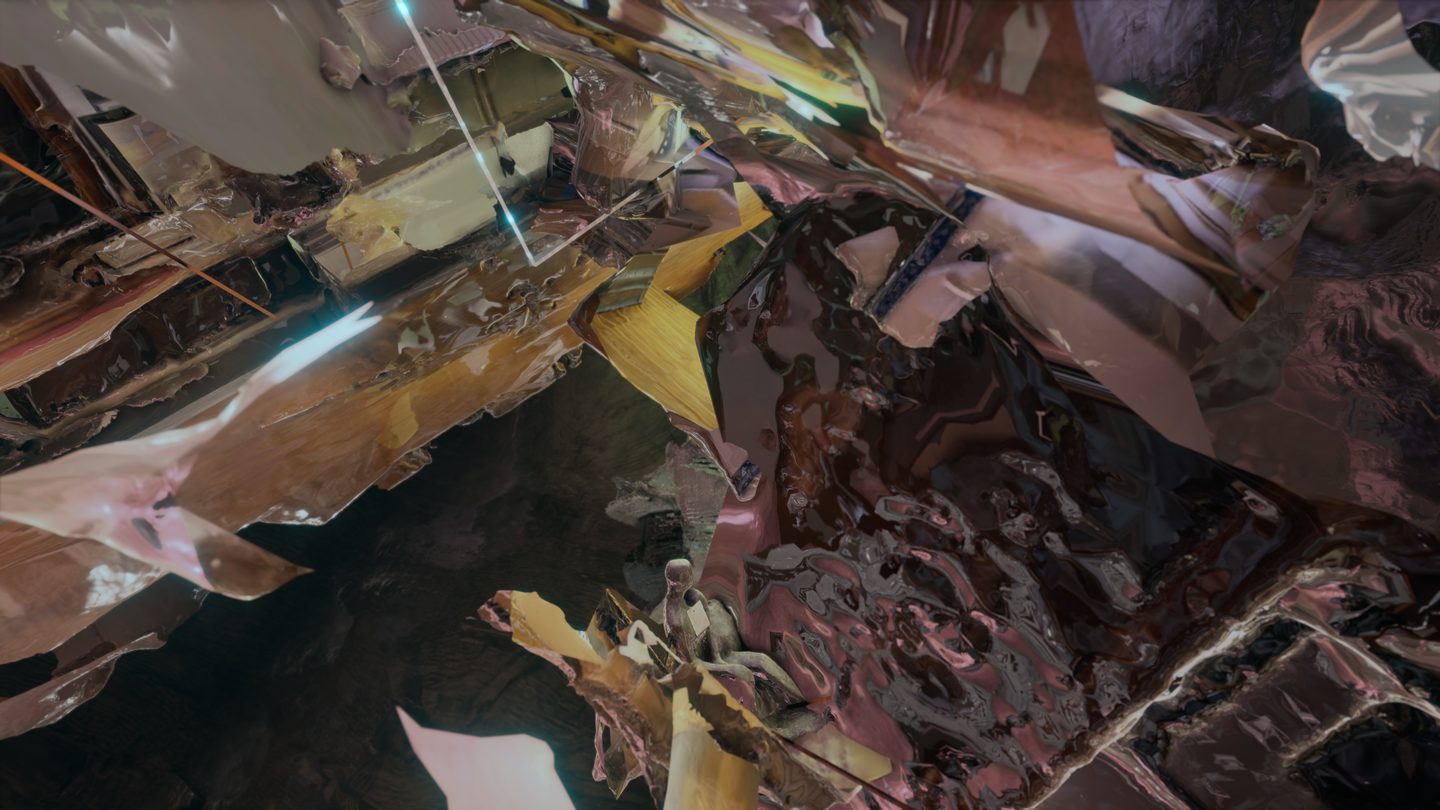
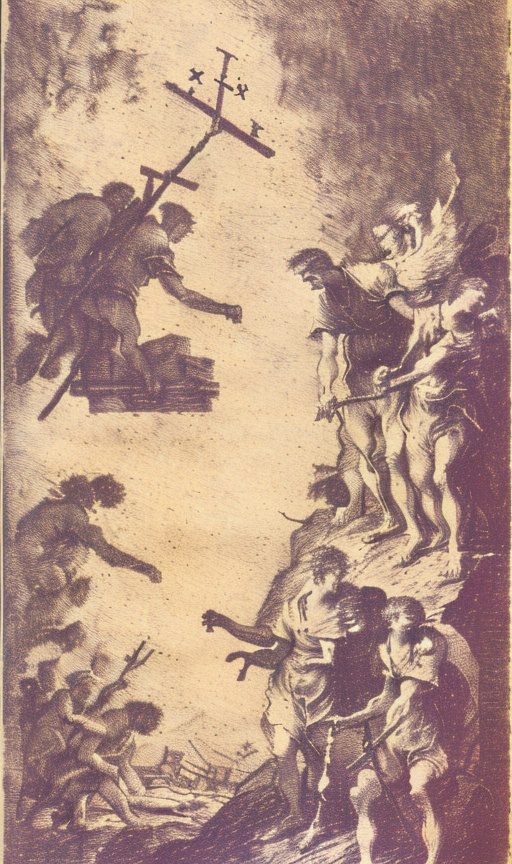
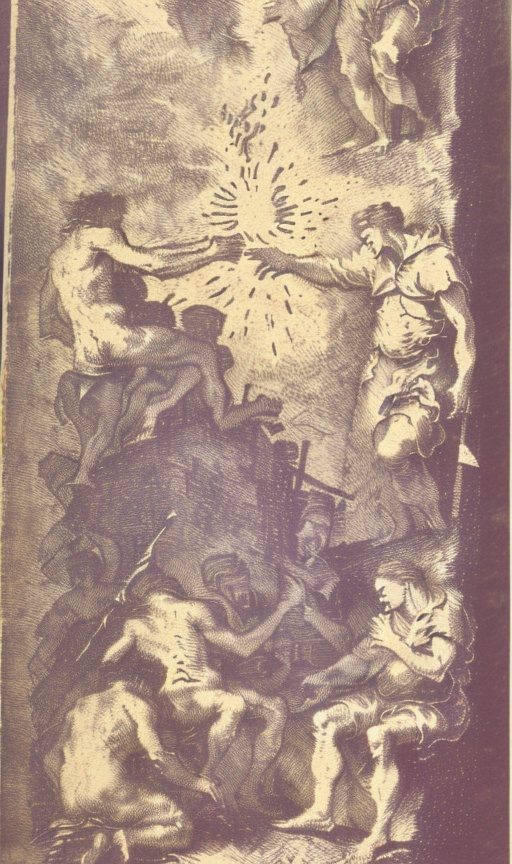
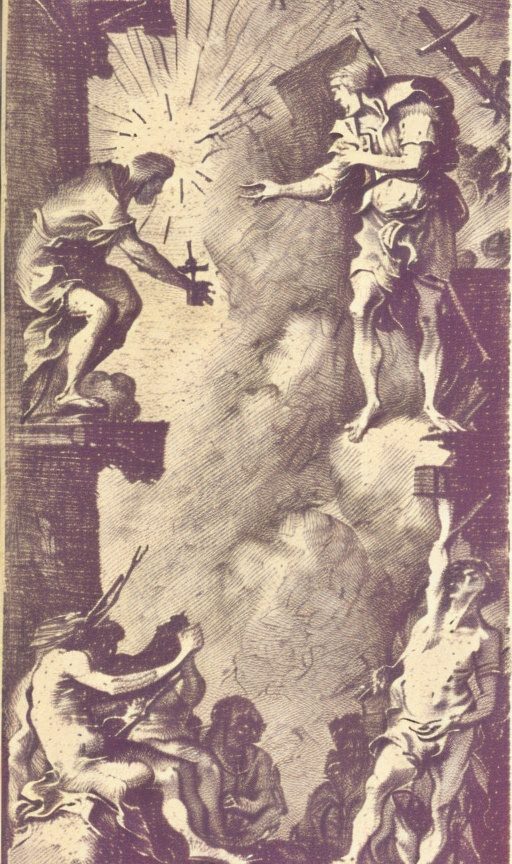
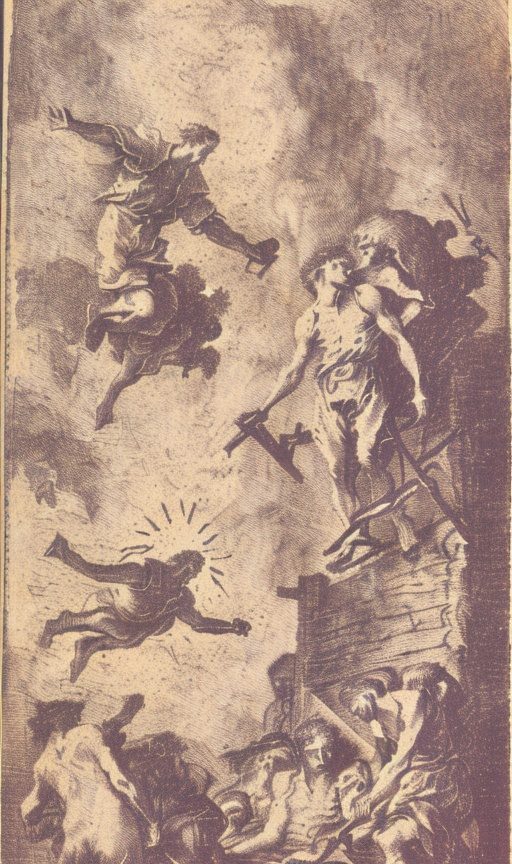
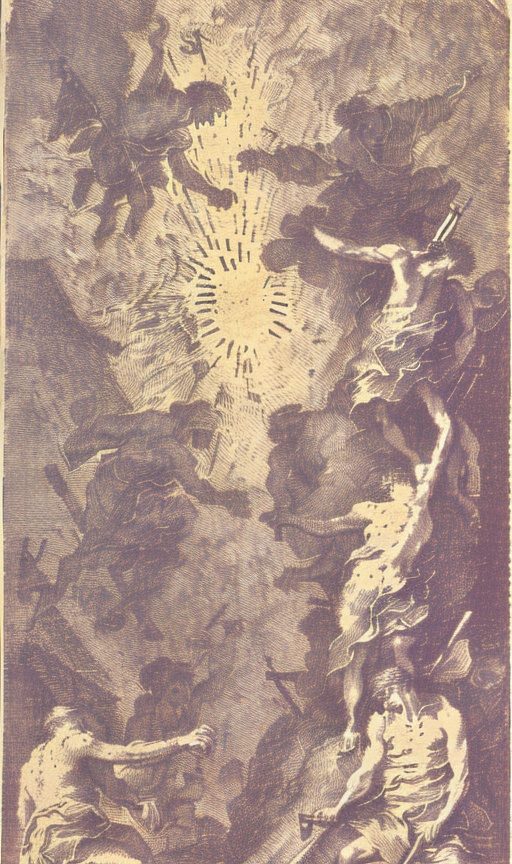
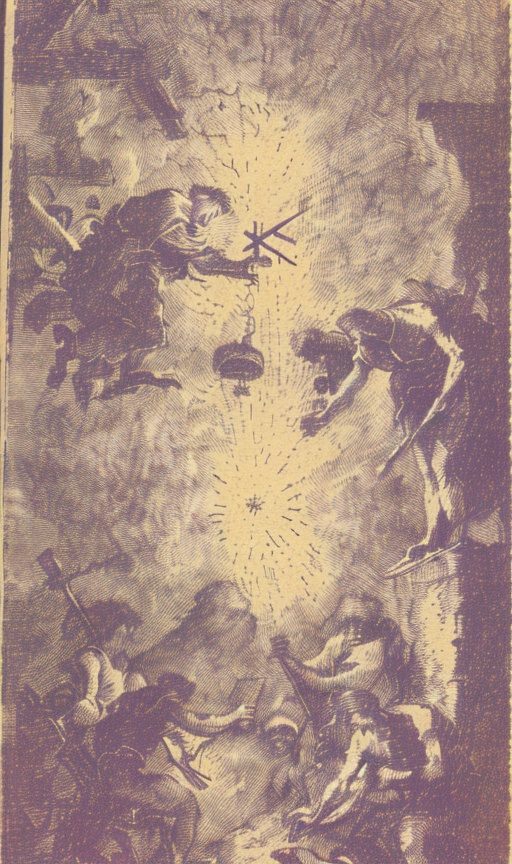
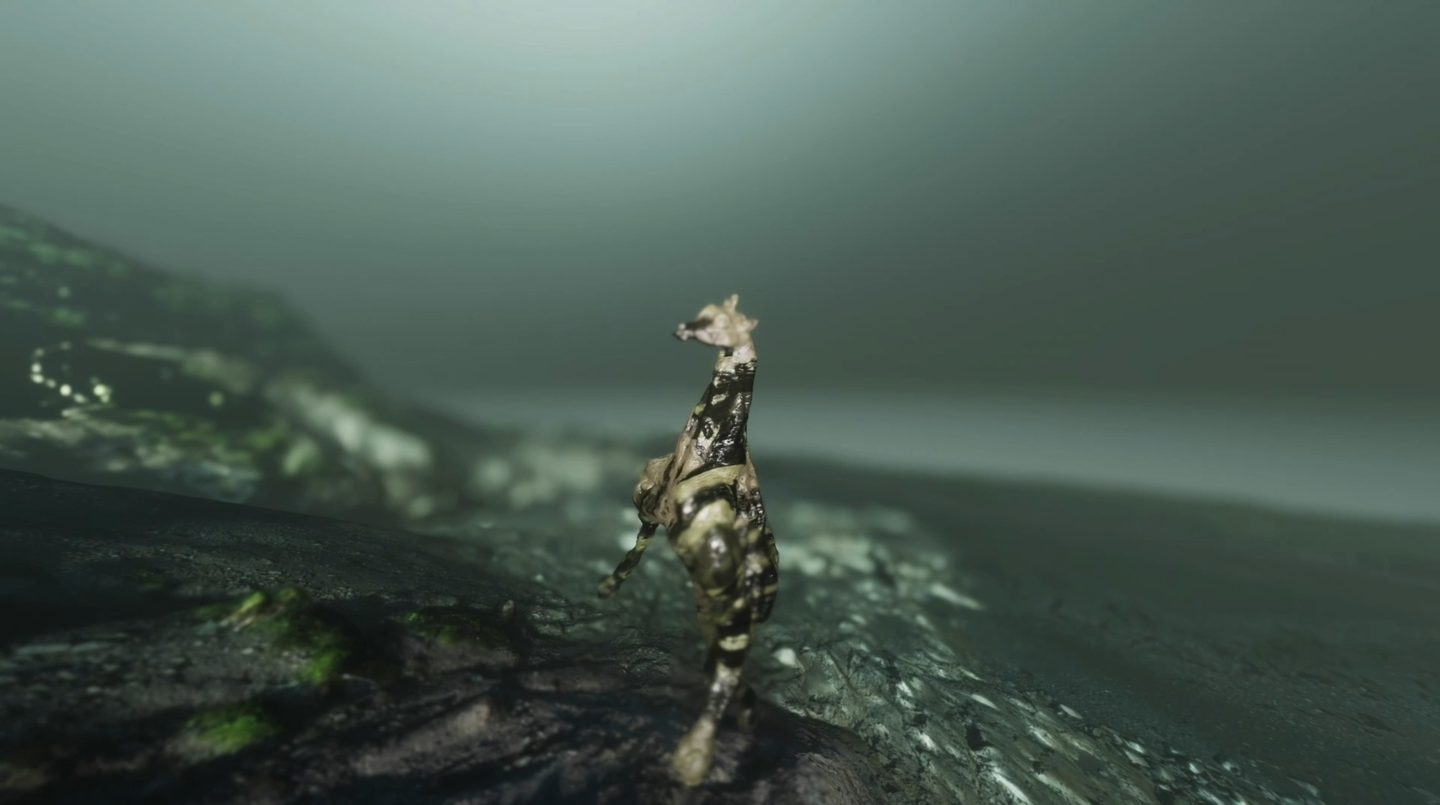
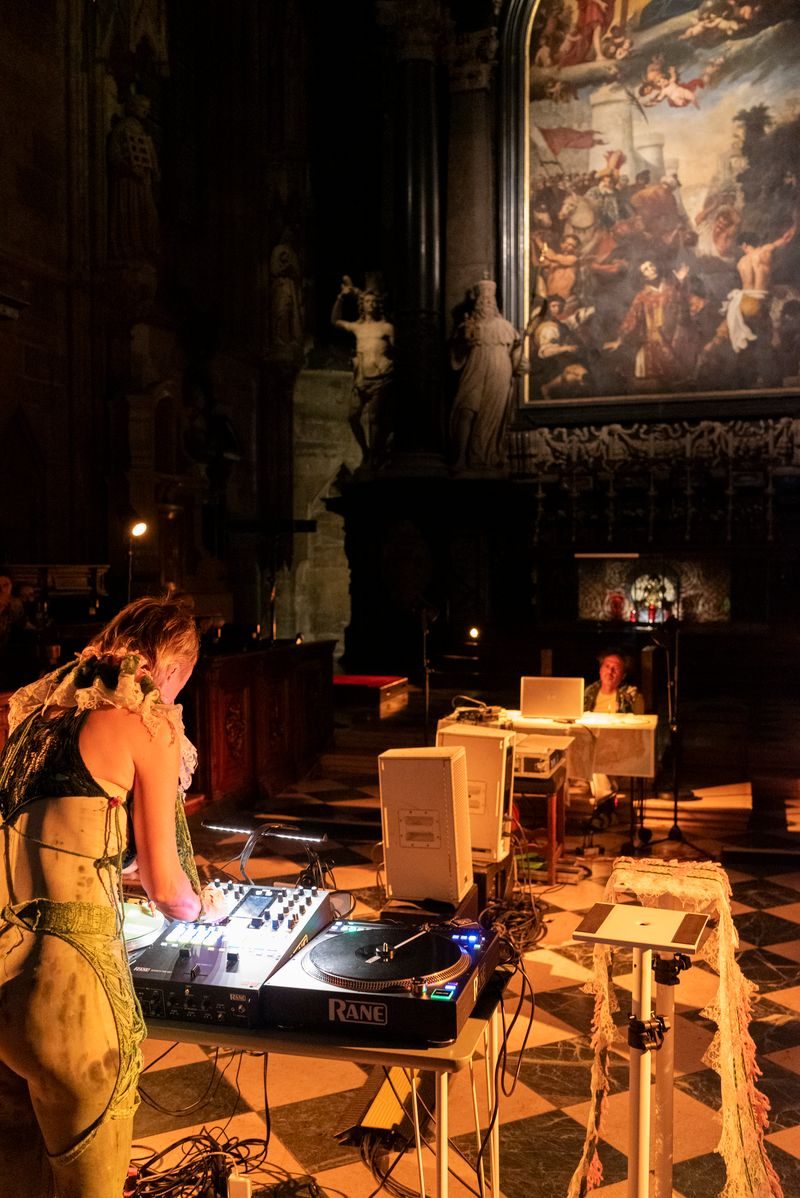
The Schallfeld ensemble, composer and electronic musician Jorge Sánchez-Chiong and TE-R reinterpret a media space as a cinema concert, joining live ensemble playing, turntables and electronics with moving images.
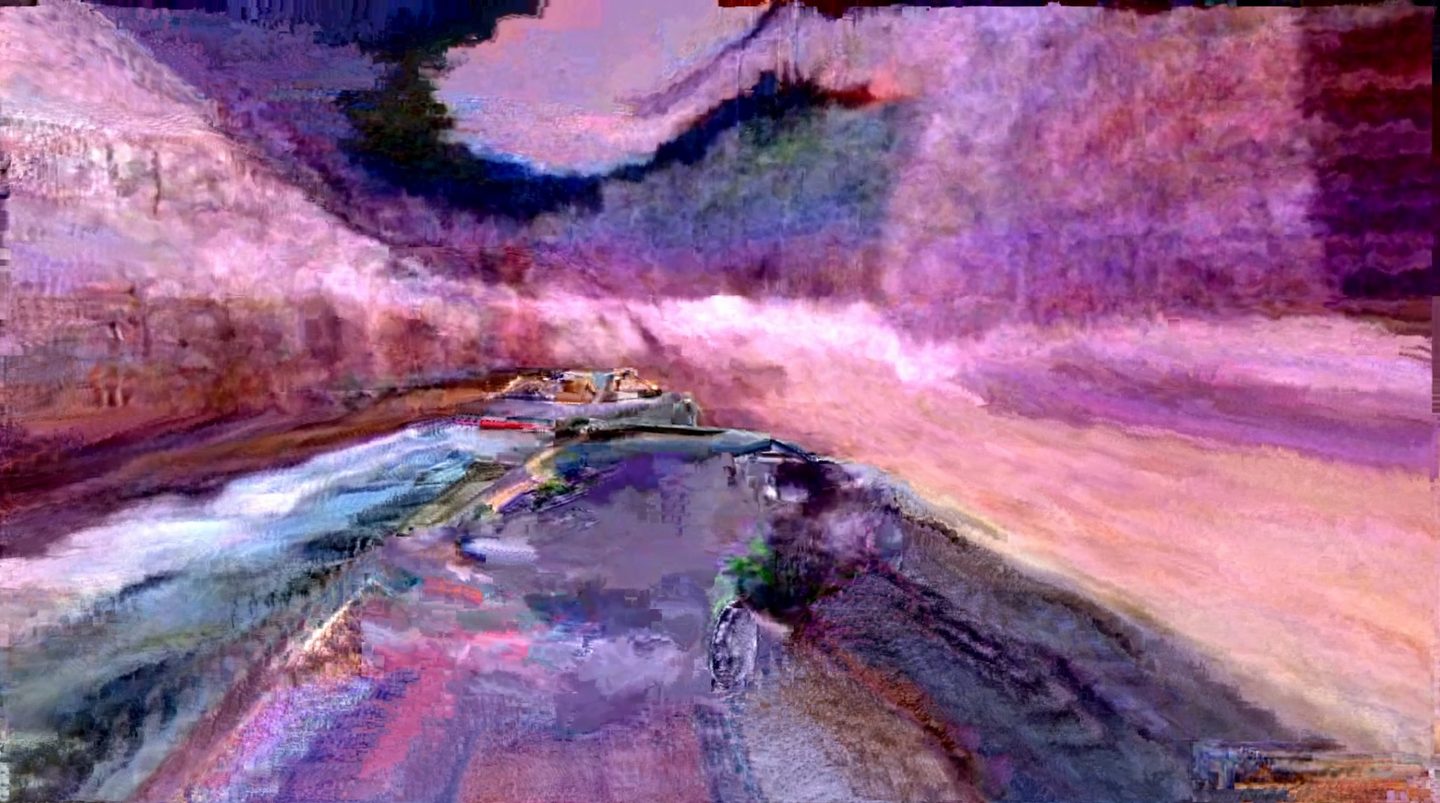
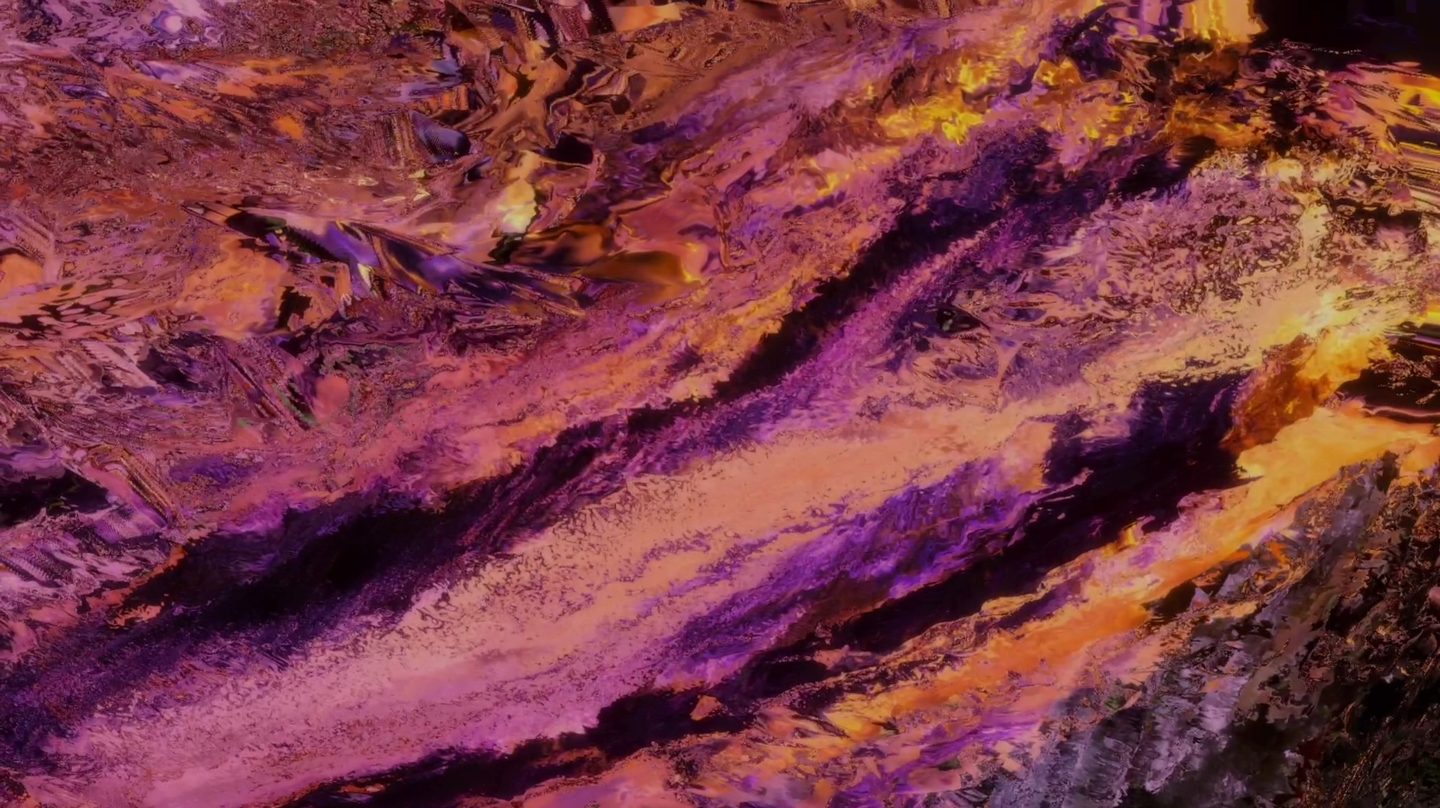
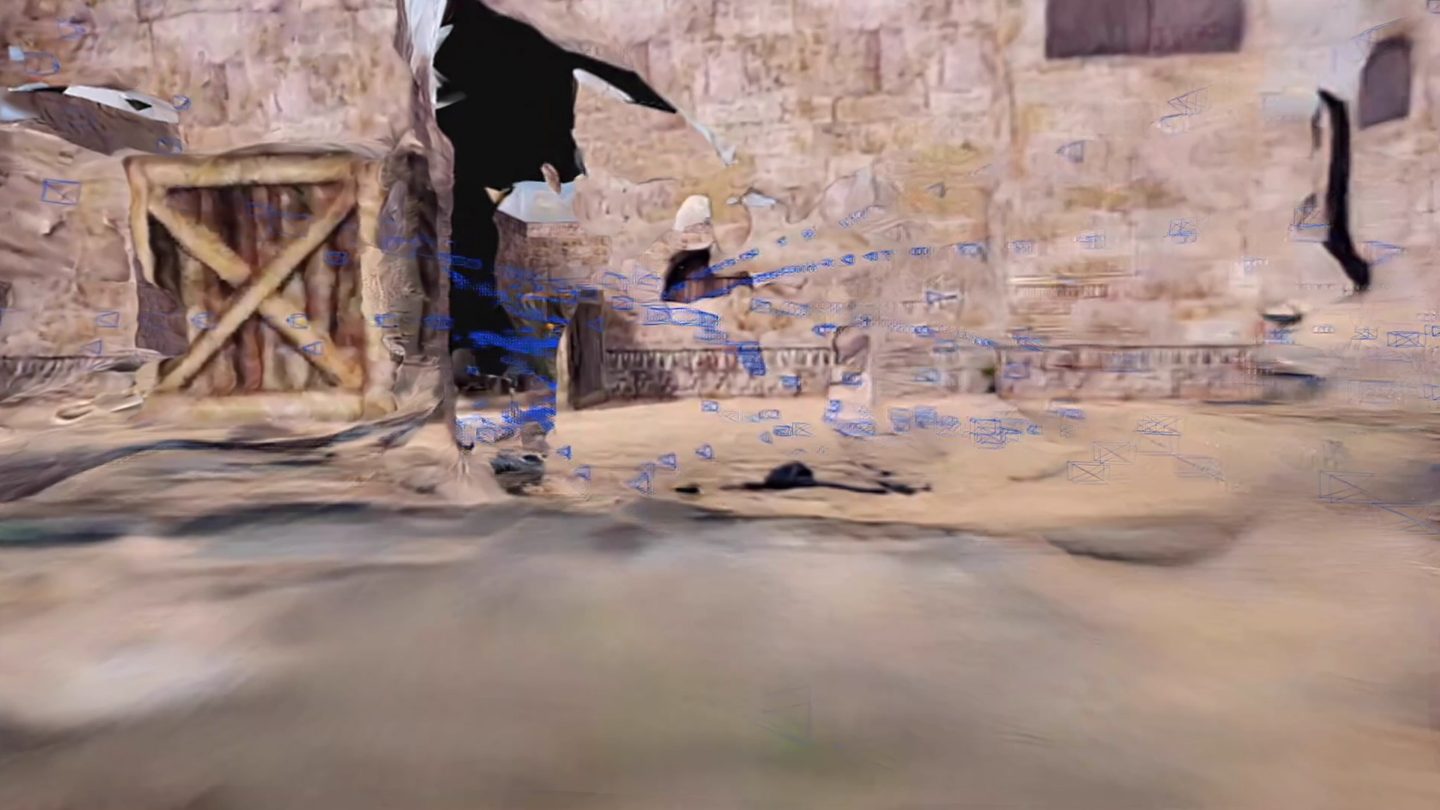
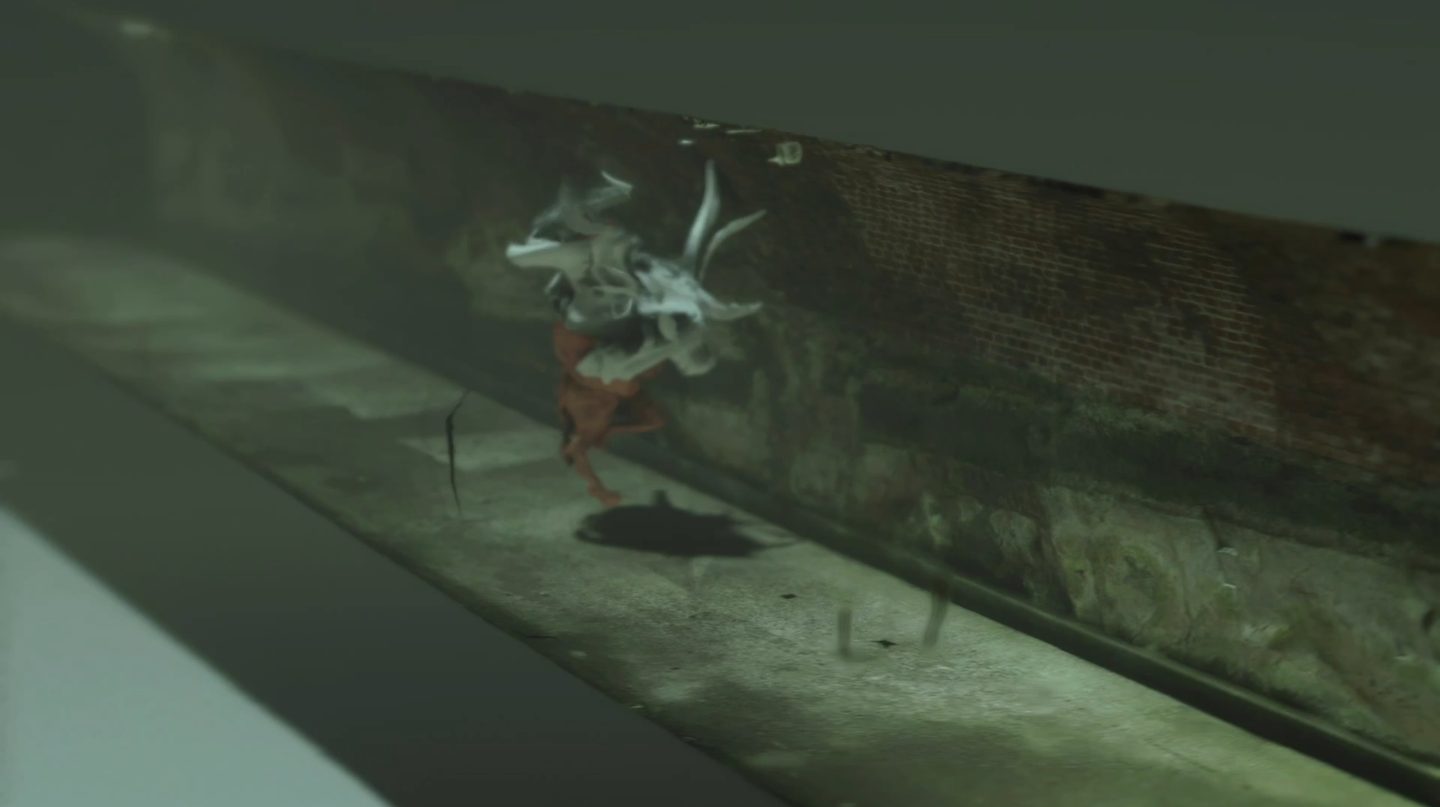
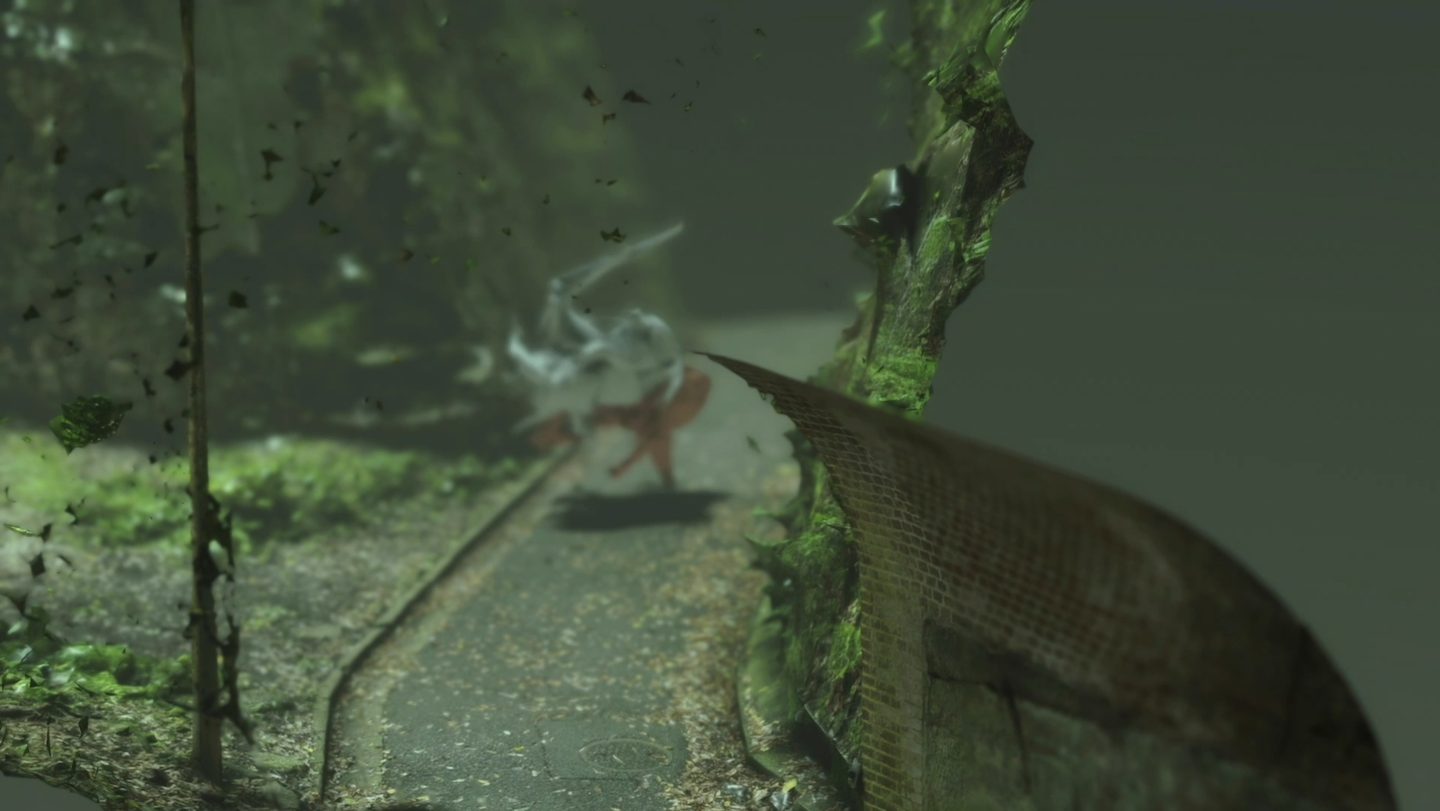
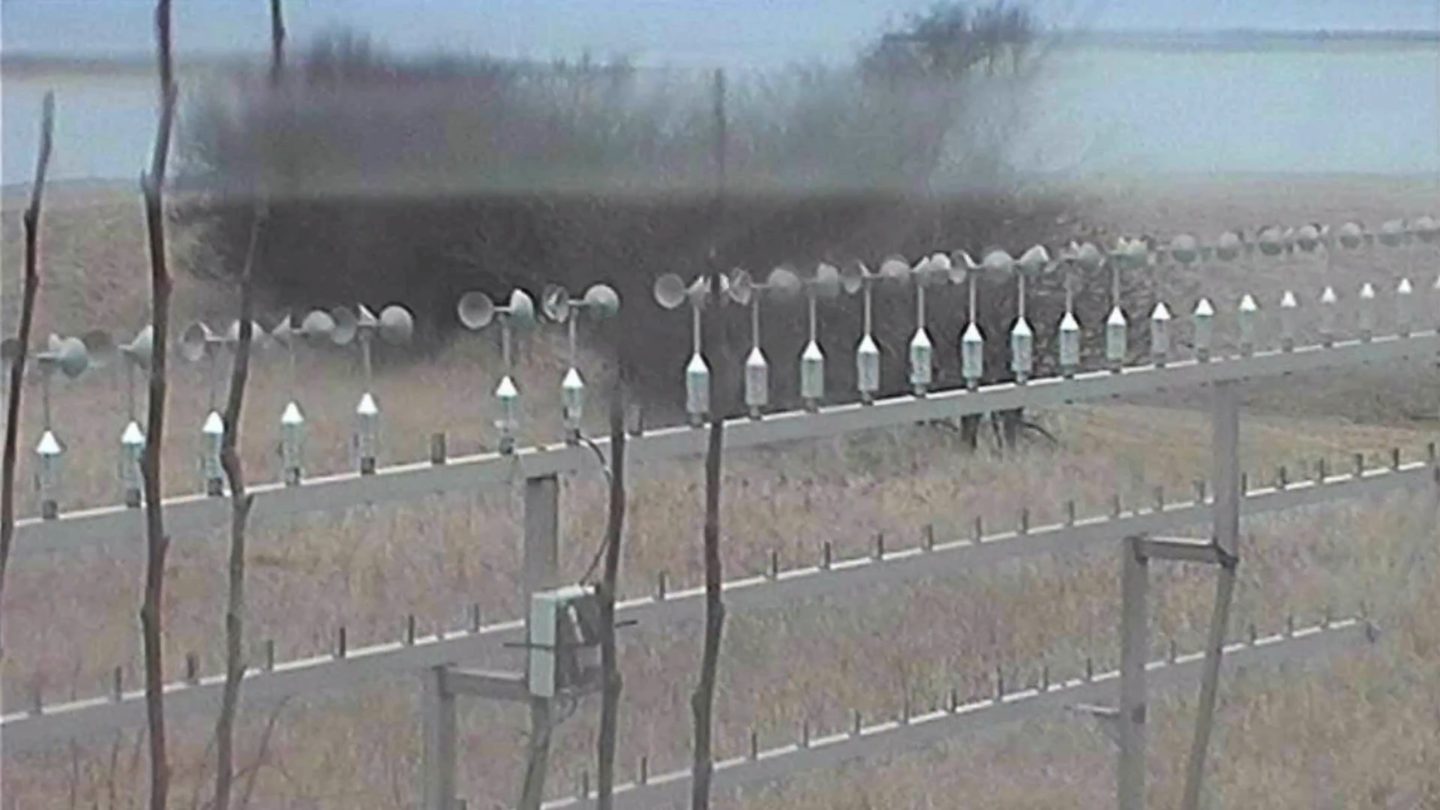

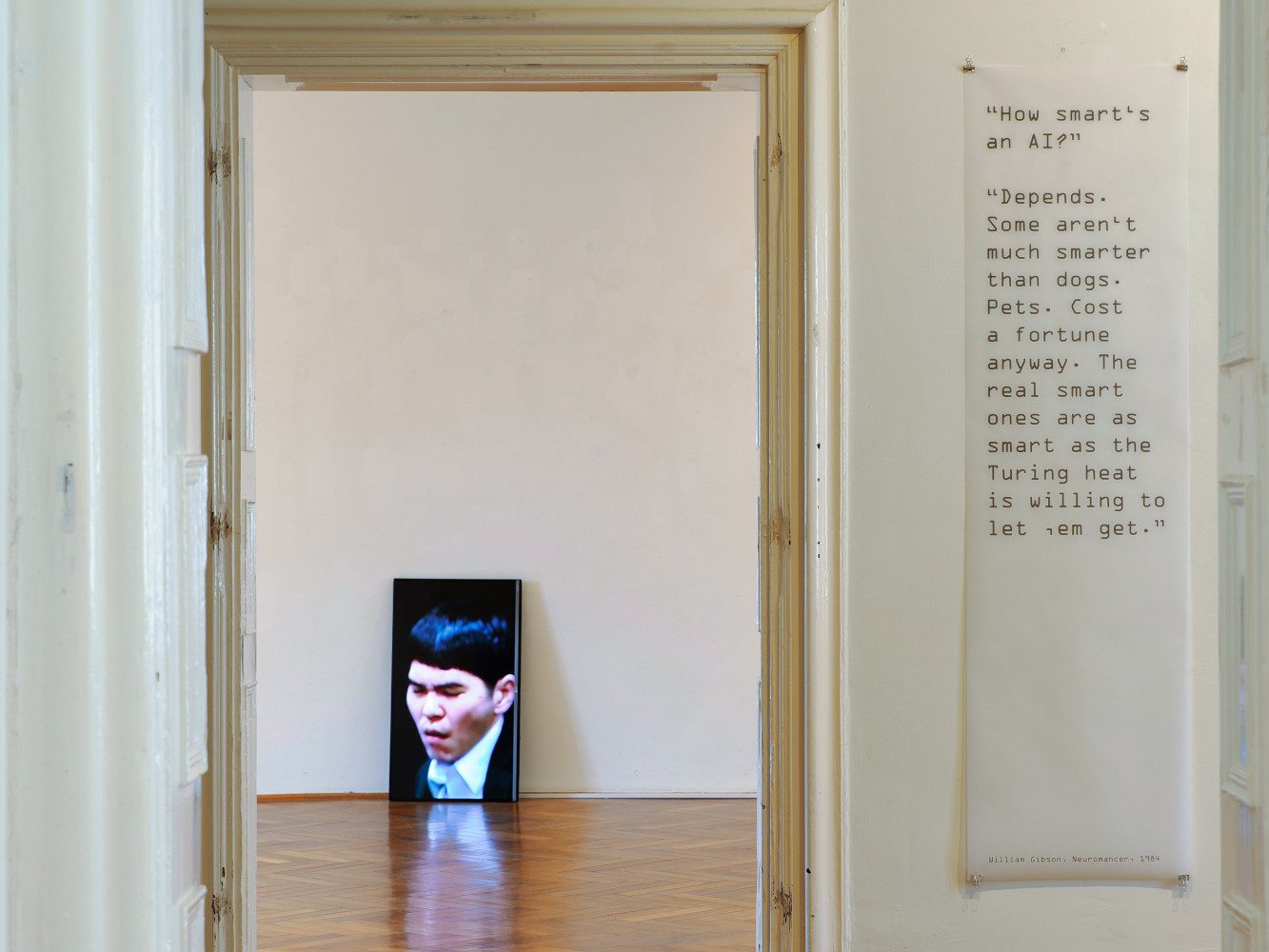
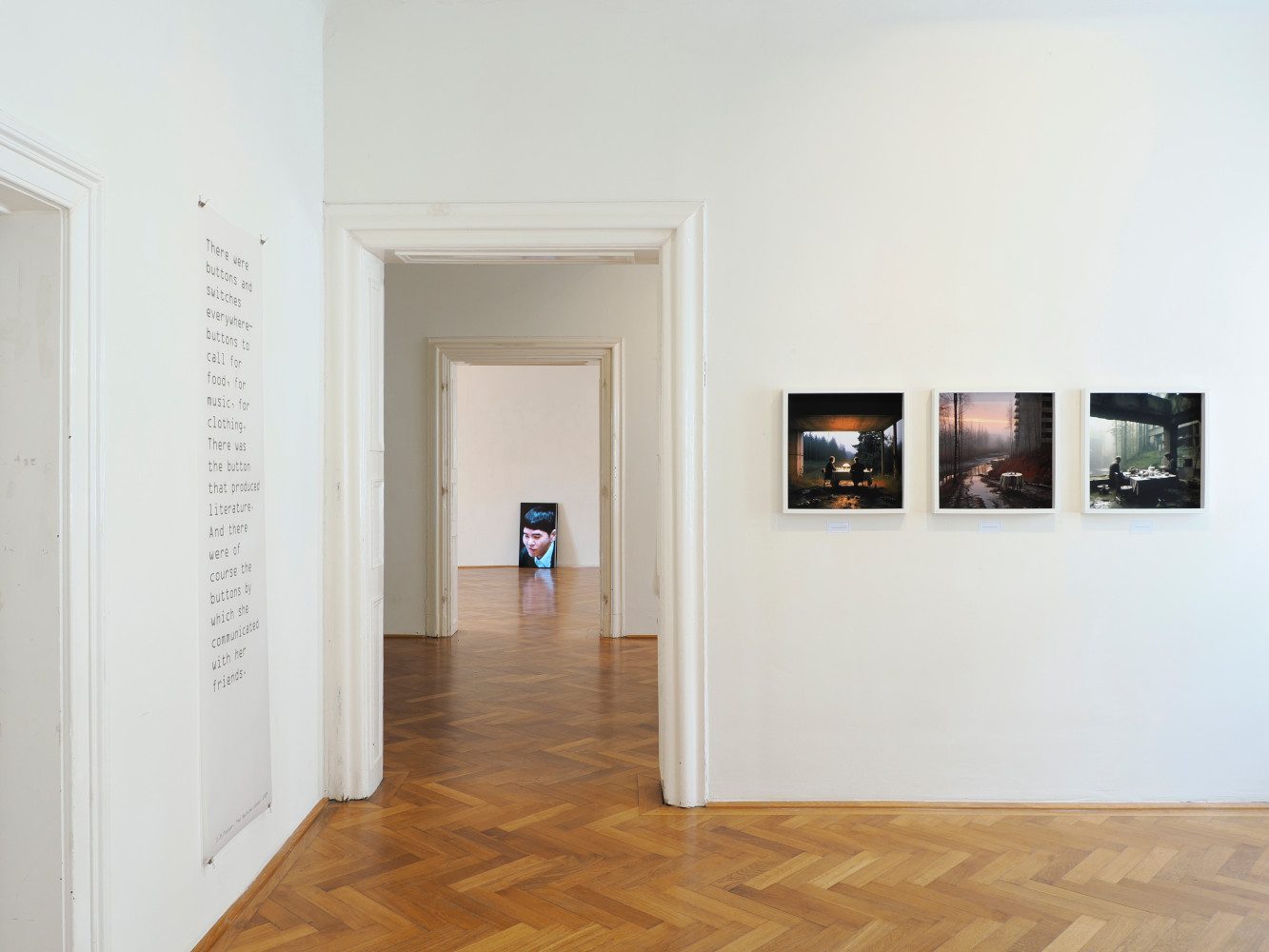
In the 2016 match between Lee Sedol and DeepMind’s AlphaGo, there are a few seconds in which Sedol reacts to move 37, a move outside the game’s entire cultural history, with a rare ambivalence between fascination and aversion. Machine-learning frame interpolation stretches this moment of recognition to sixty minutes. The thousands of synthesised in-between frames expose the gaps and artefacts of the transition itself.
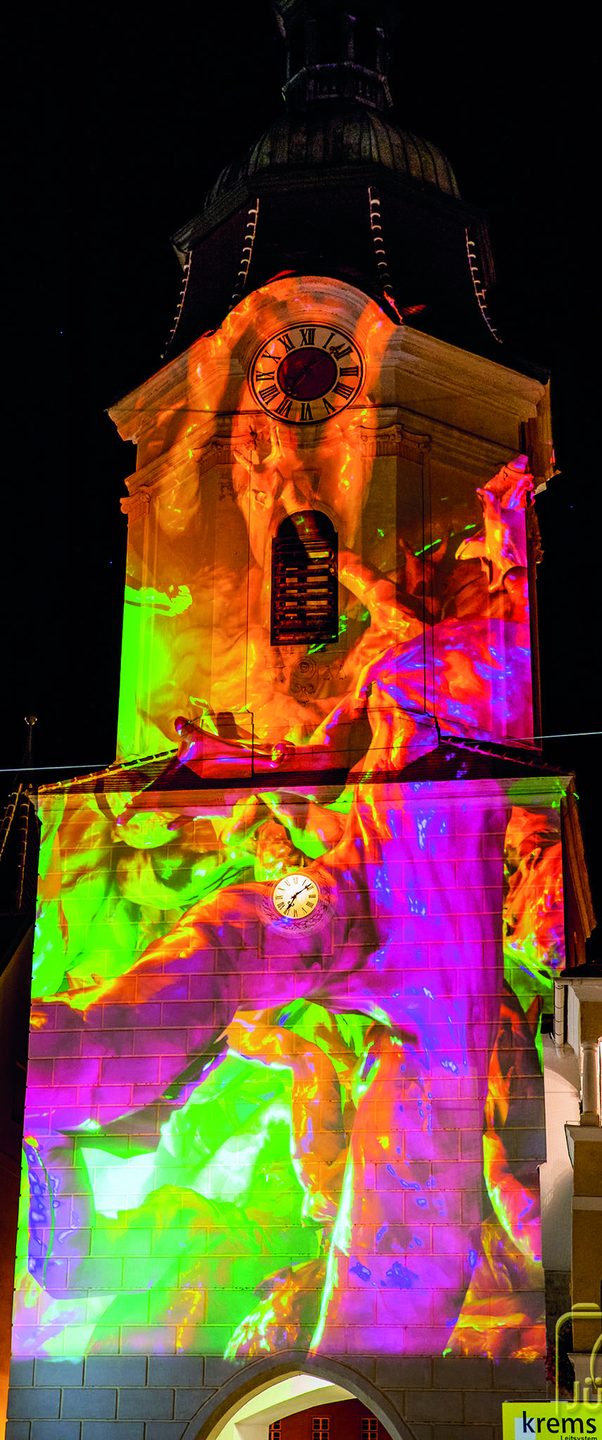
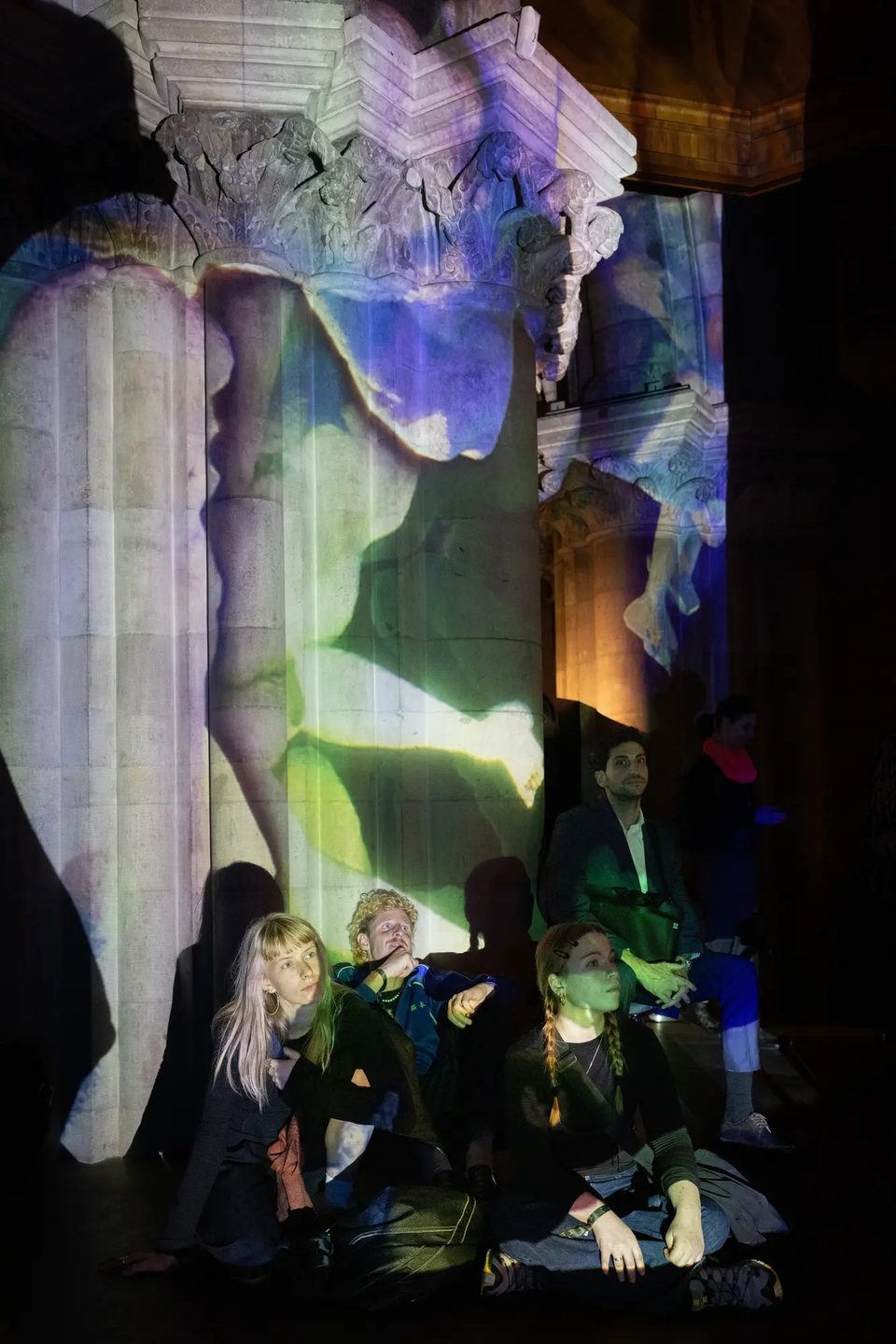
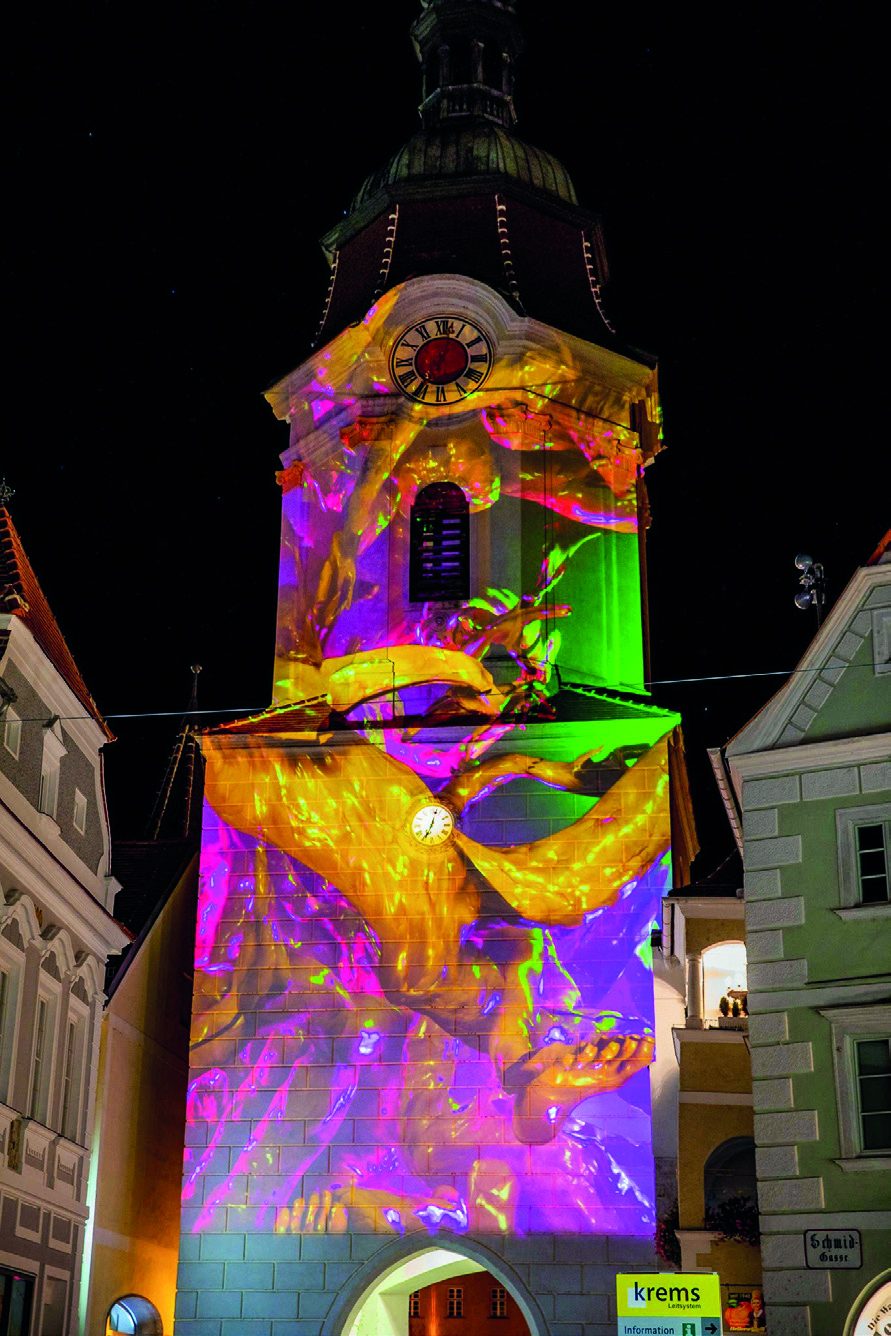
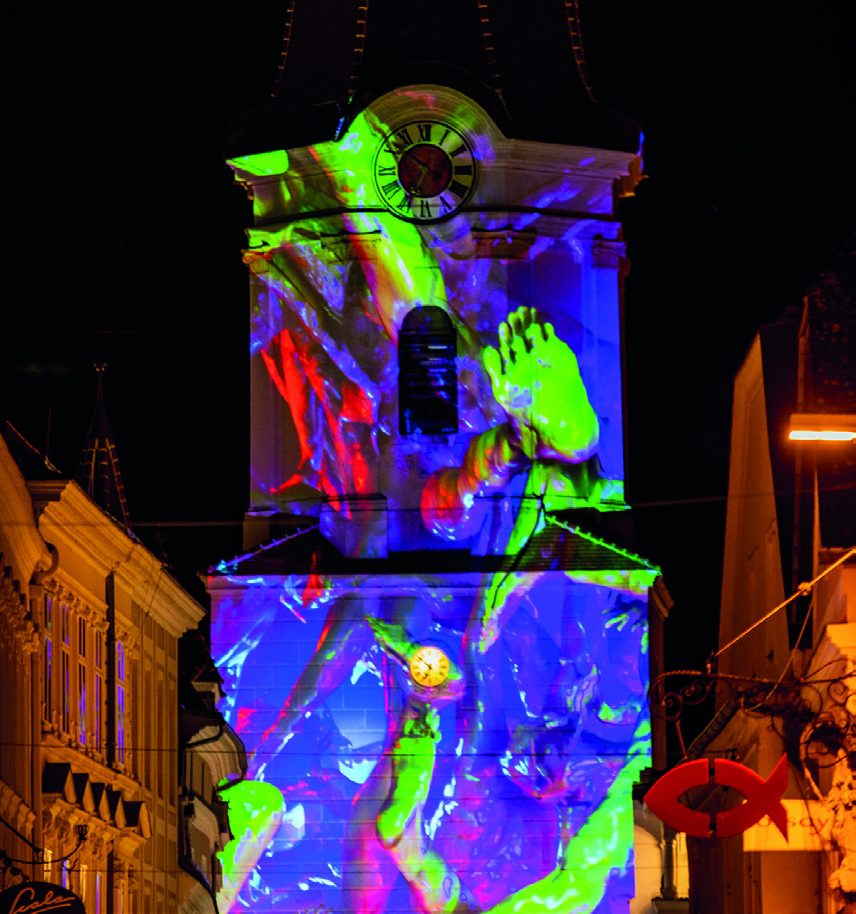
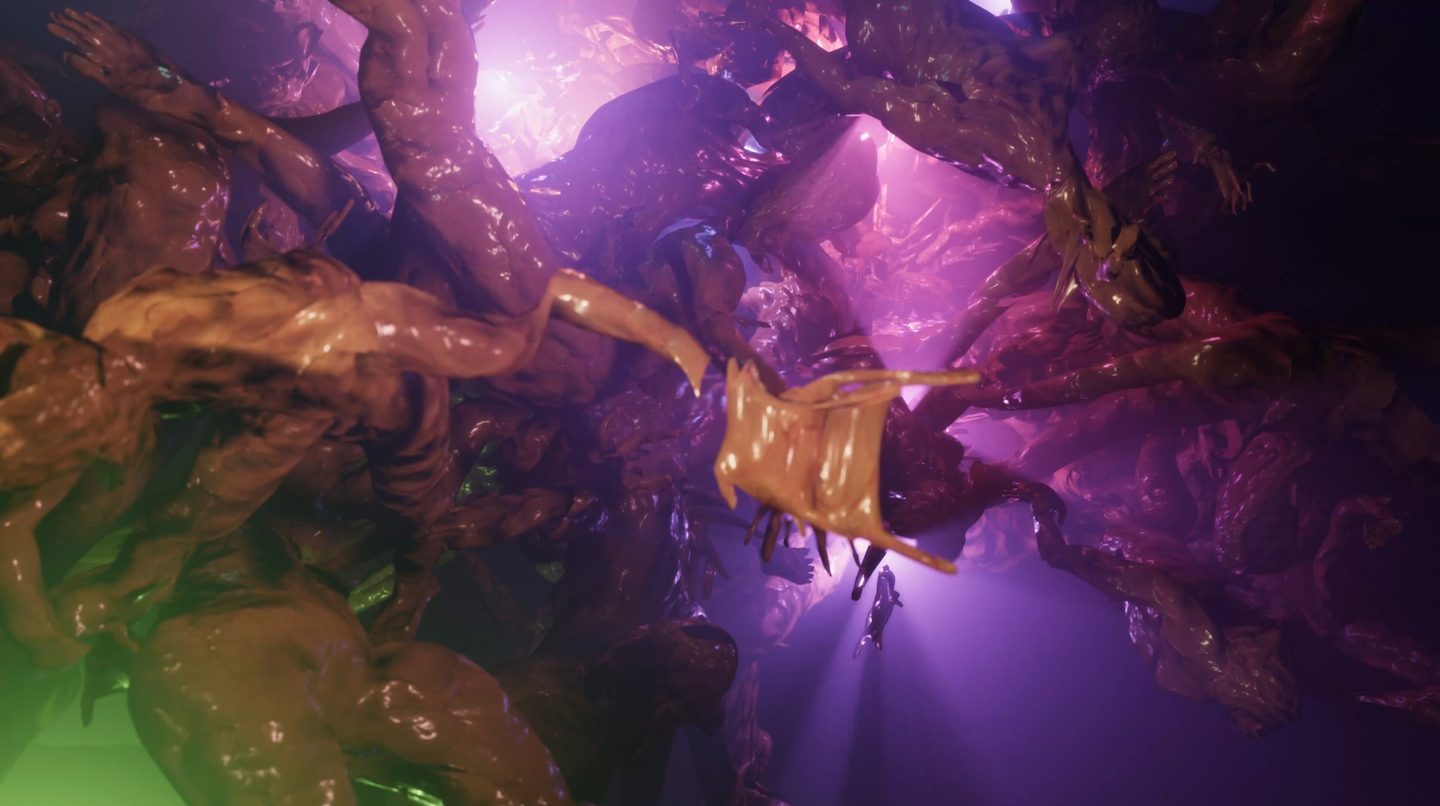
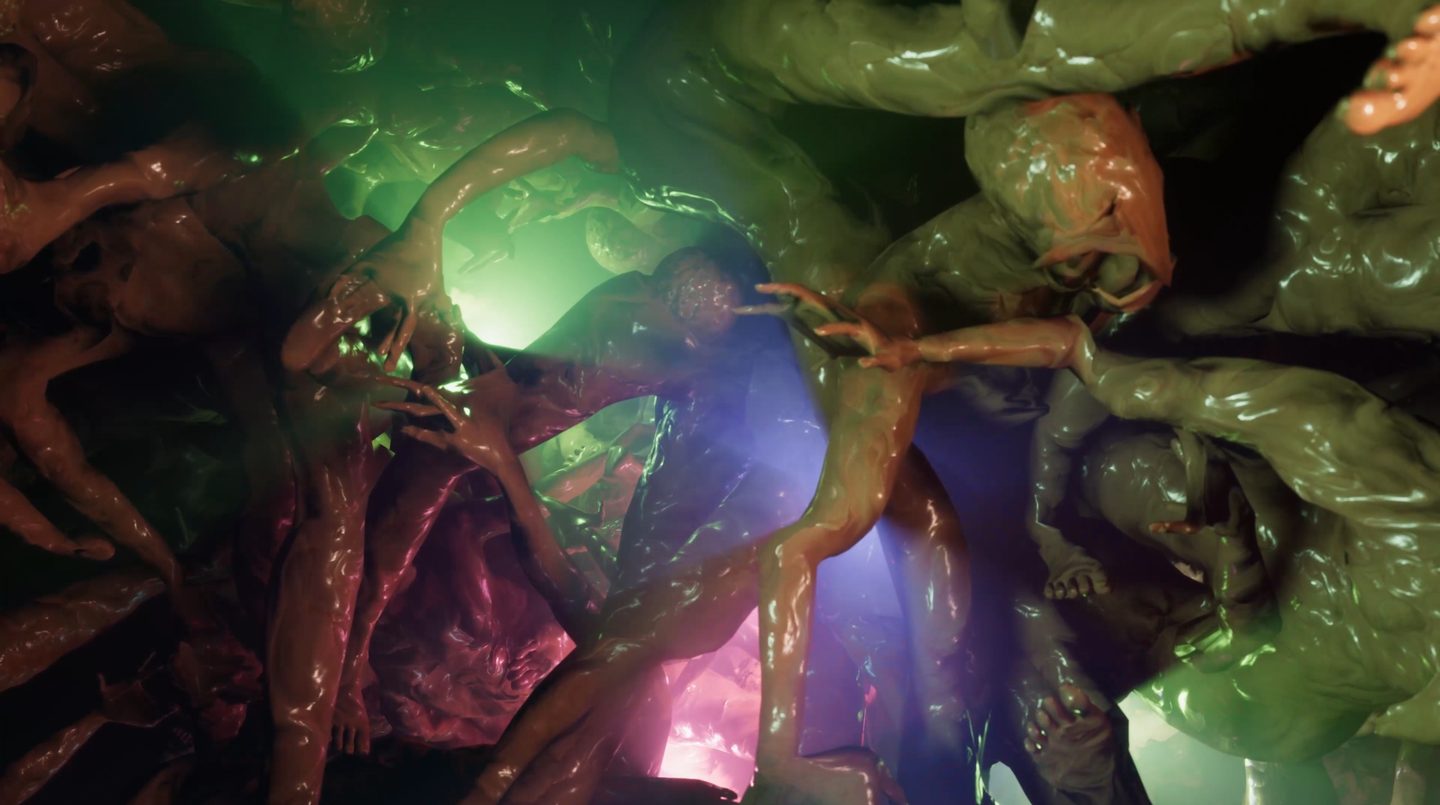
A generative projection on the medieval city gate of Krems in which the image keeps transforming itself. Starting from structures of the human body, cut and transformed computationally, the work briefly fuses architecture and body, treating urban space as a translucent skin.
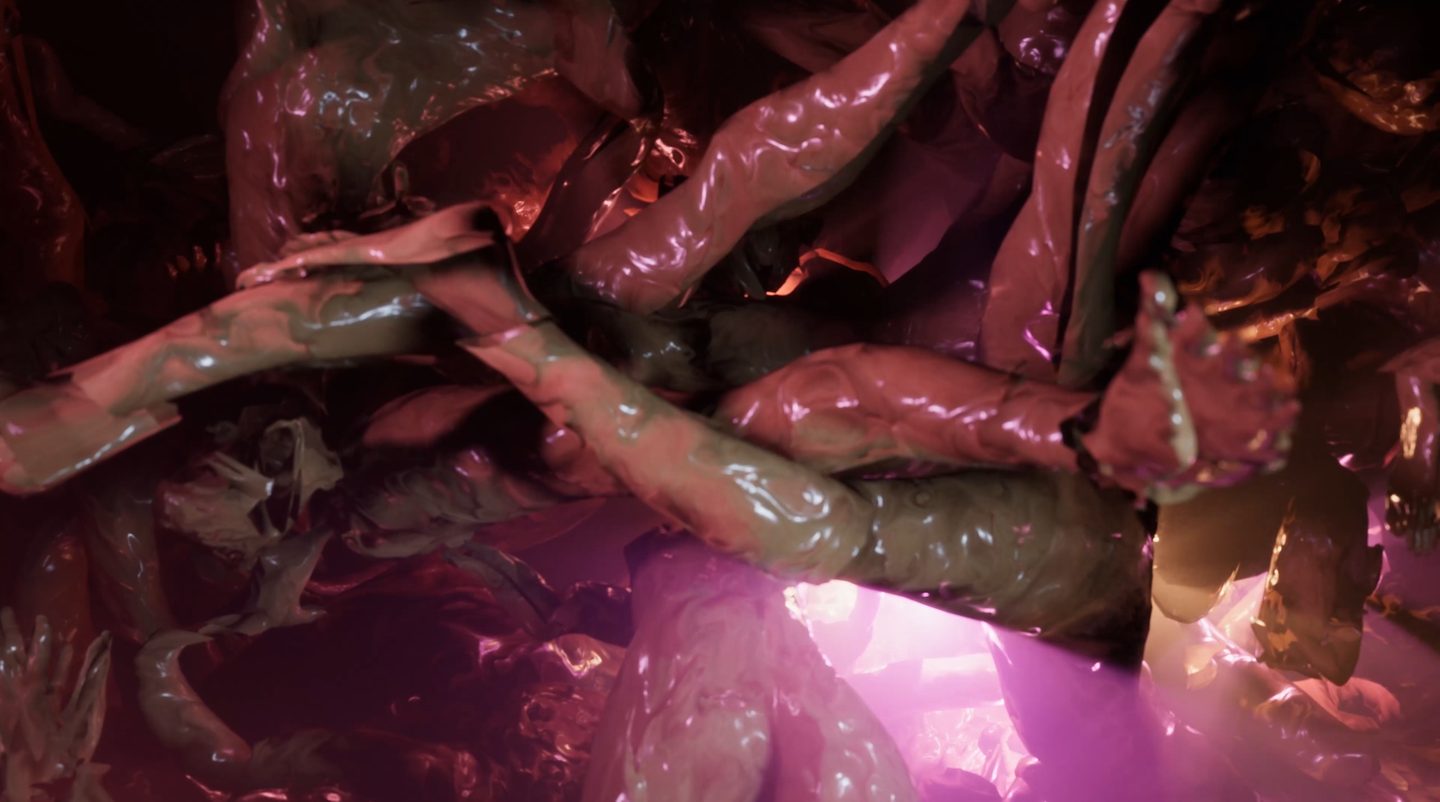
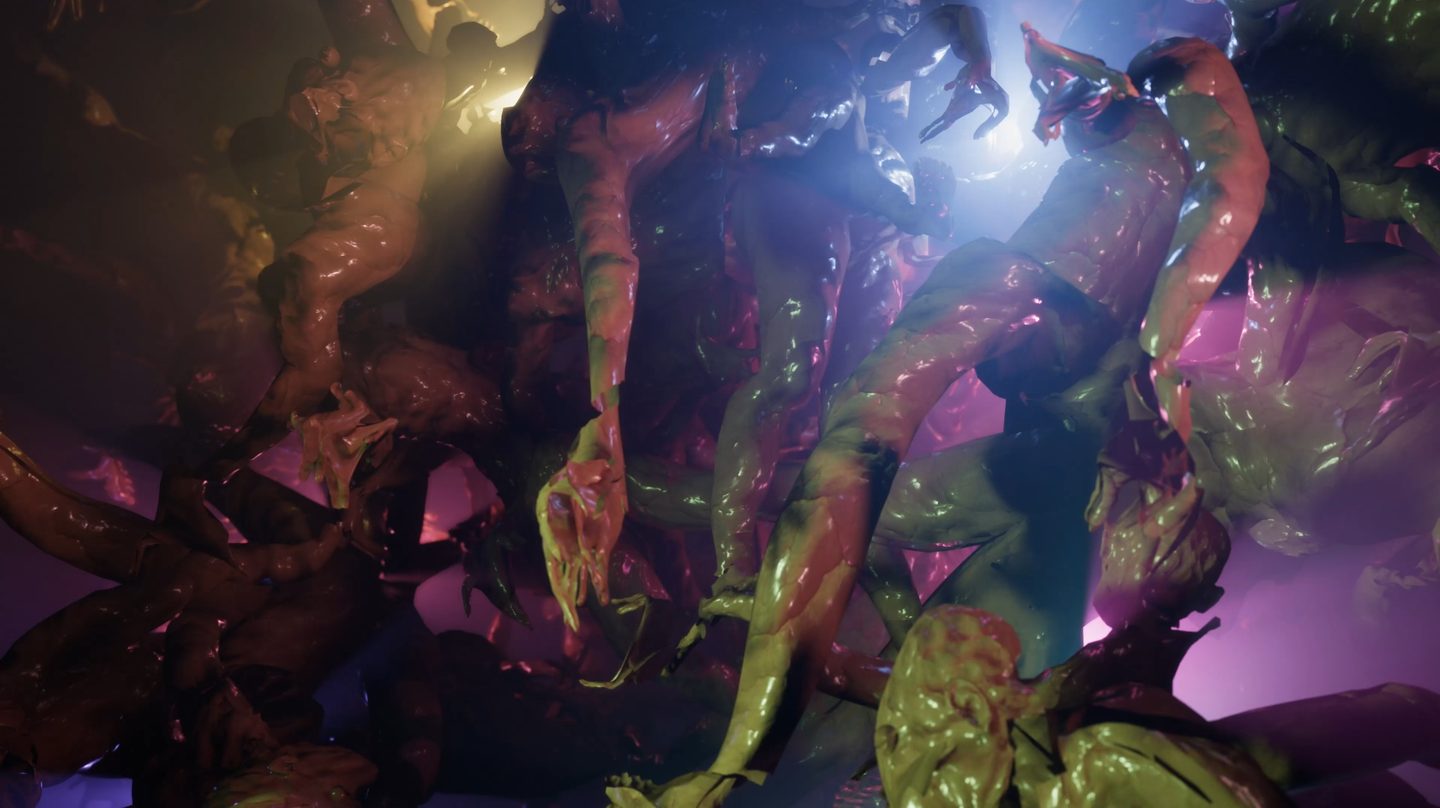
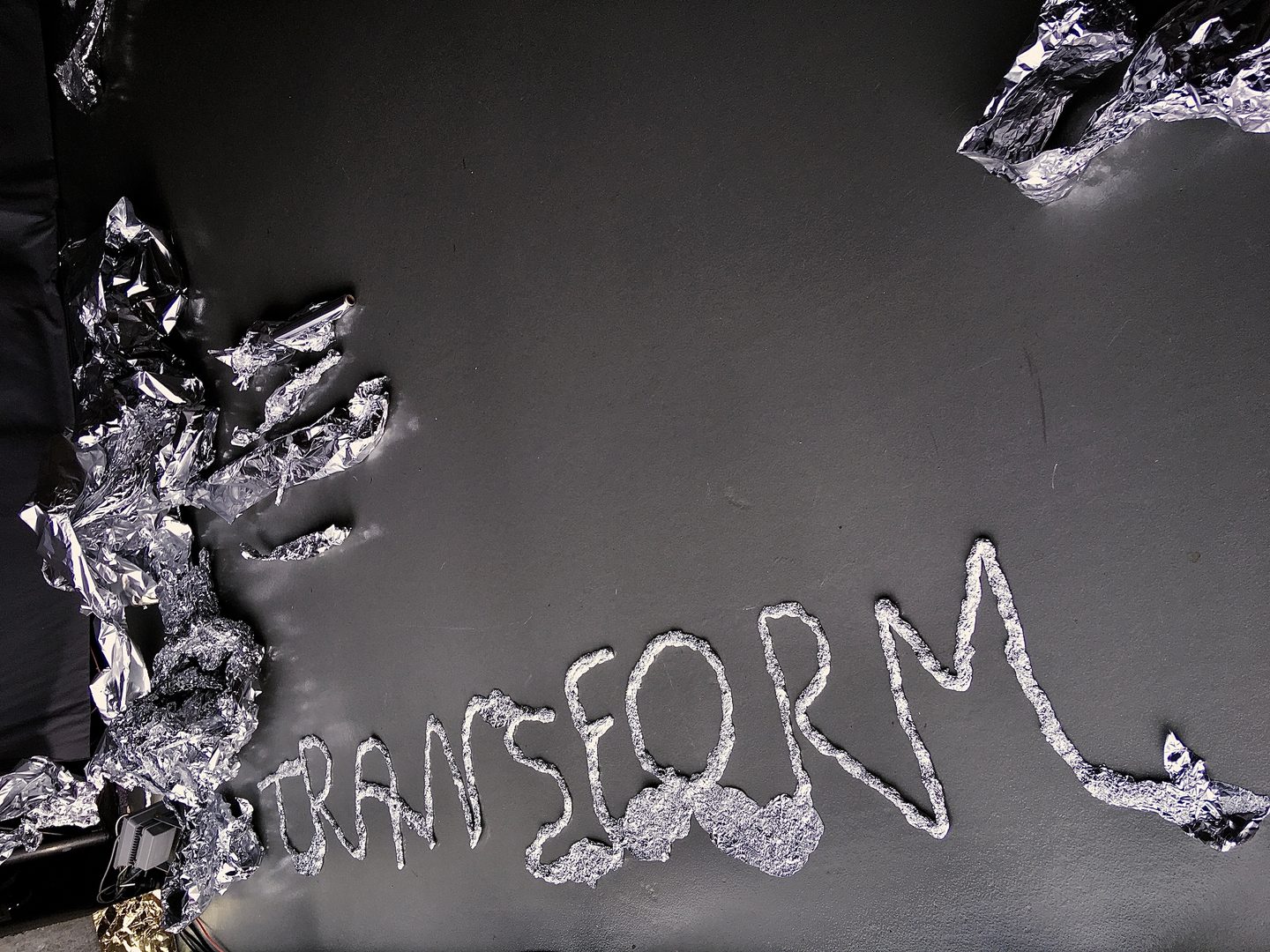
A week-long choreographic assemblage of human and non-human actors around aluminium, a material that is both everyday and ecologically destructive. Through dance, text, sound, film, light and lectures, and with materials brought in by visitors, the work traces aluminium’s material, geological, anatomical and pop-cultural entanglements, drawing on new materialism and critiques of the Anthropocene. Wagensommerer created the sound and closed the week with a concert.
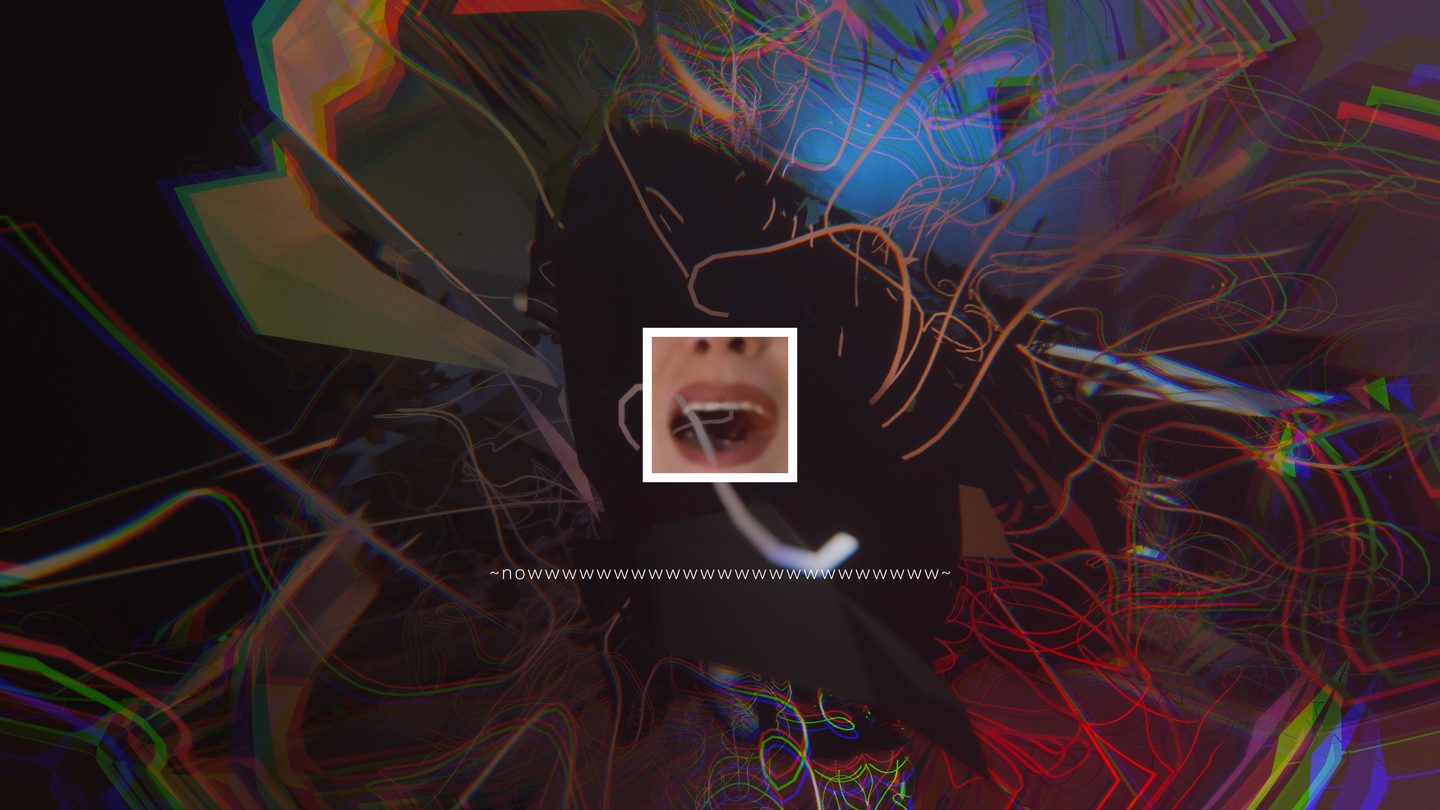
A five-second sample, the word “now” from Céline Dion’s It’s All Coming Back to Me Now, is stretched into a year-long audio stream of 31,556,952 seconds by a network of small, mutually feeding applications. The present becomes a continuum in which shifting micro-timbres surface, and every use of #NOW on Twitter makes the computational labour of the machine audible. The first work of the Kontinuum series by Deutschlandfunk Kultur, Ö1 Kunstradio and CTM Festival.
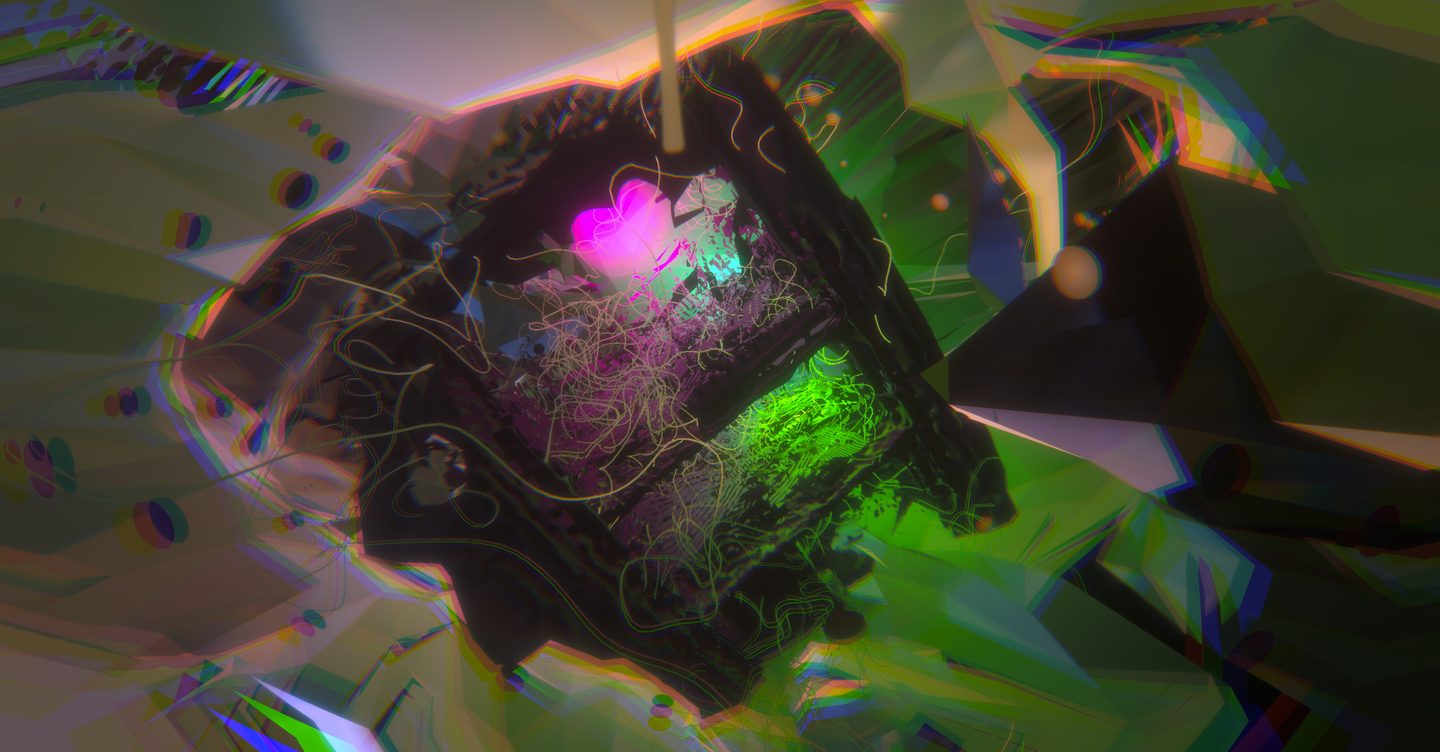
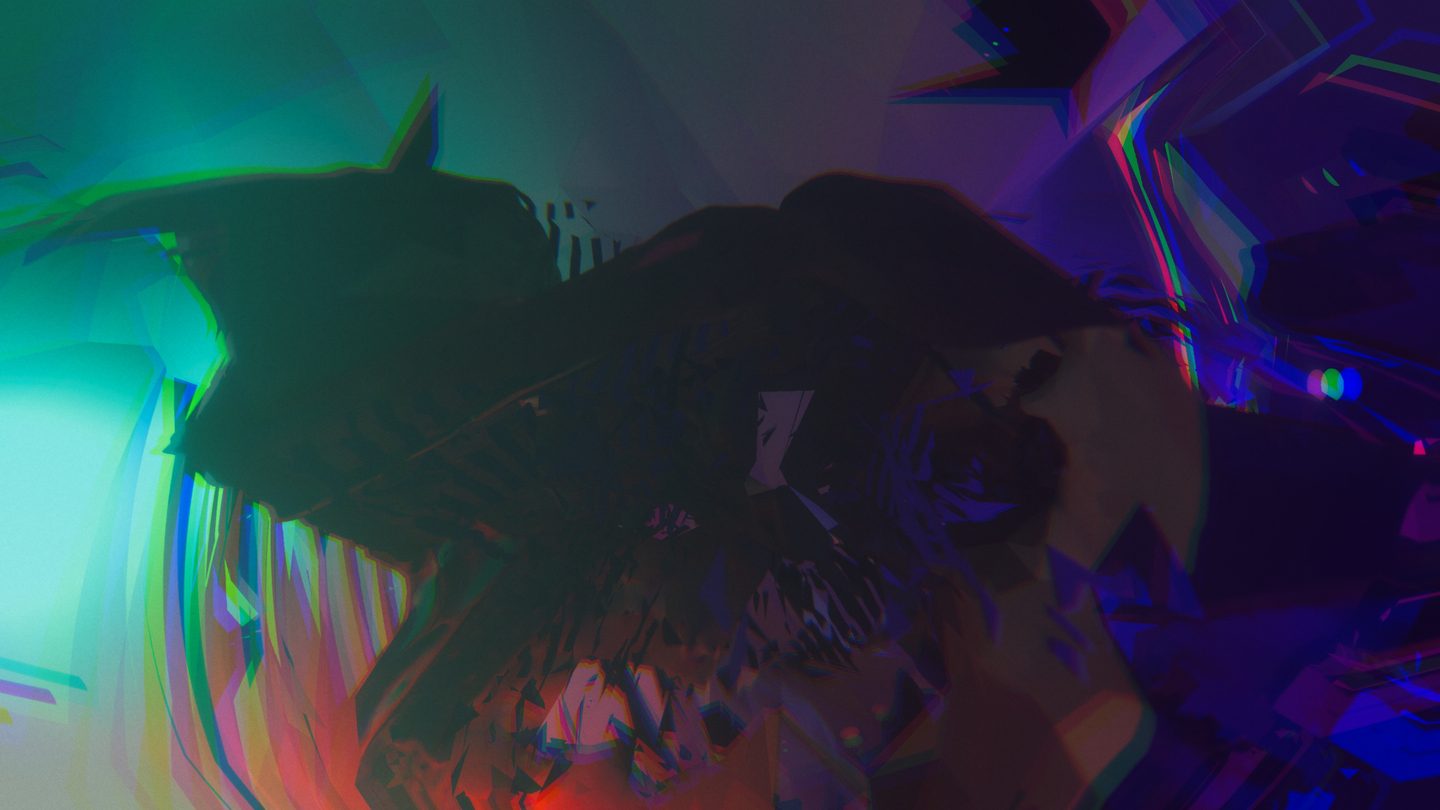
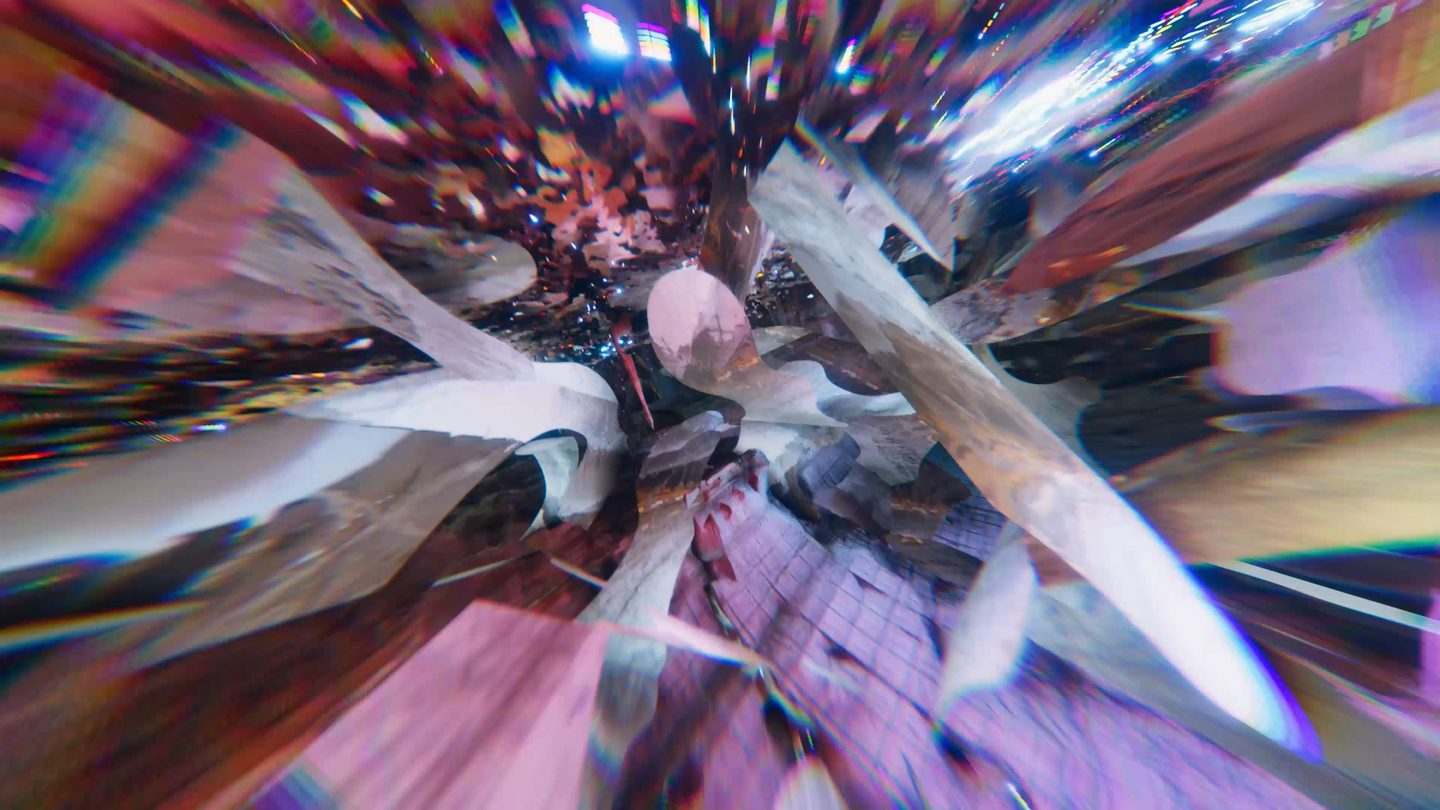
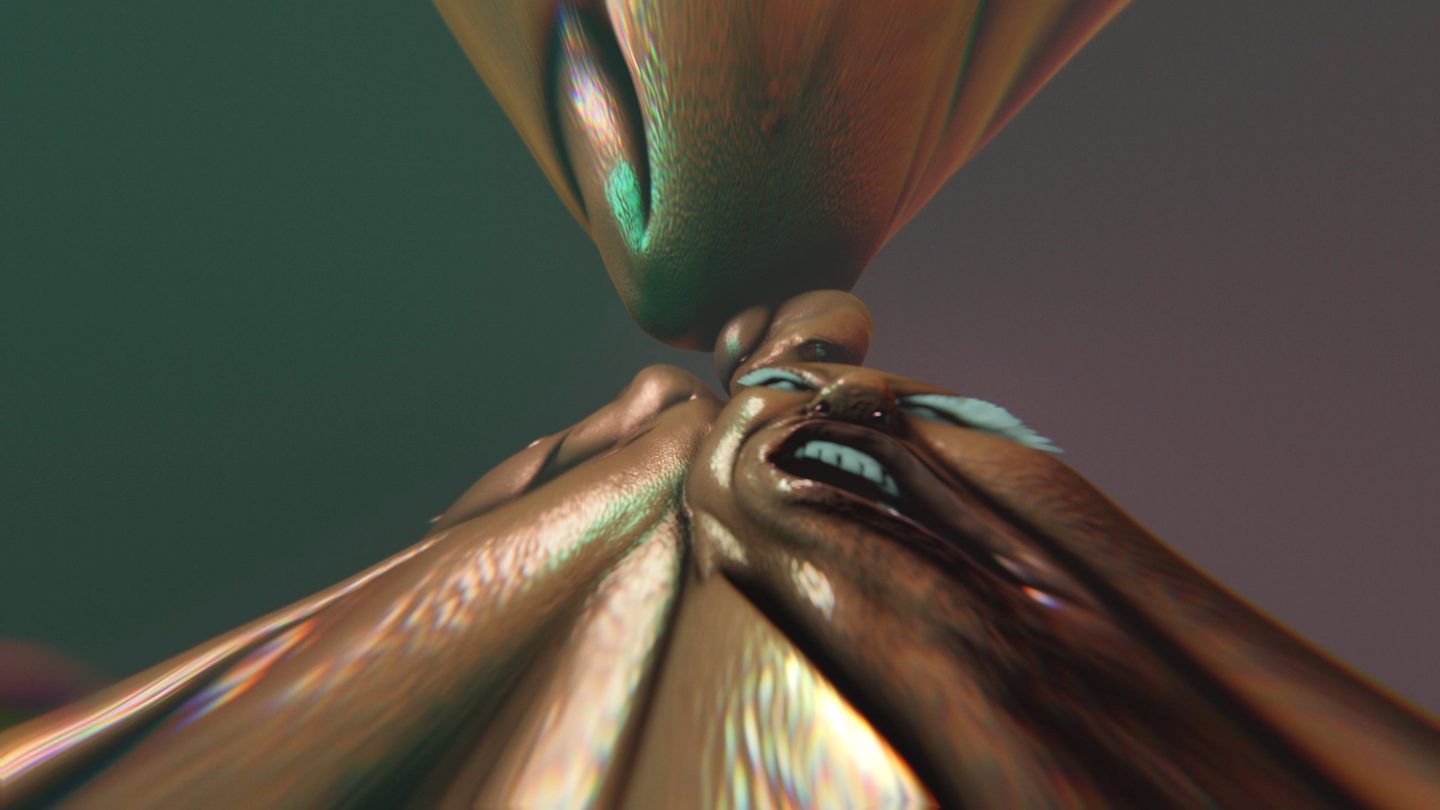
Irradiation’s album Xeelee translates cosmology and quantum physics into electronic music, drawing on Stephen Baxter’s hard science fiction Xeelee Sequence. Wagensommerer’s animation renders the vastness and deep time of a universe shaped by an unknowable, ancient intelligence.
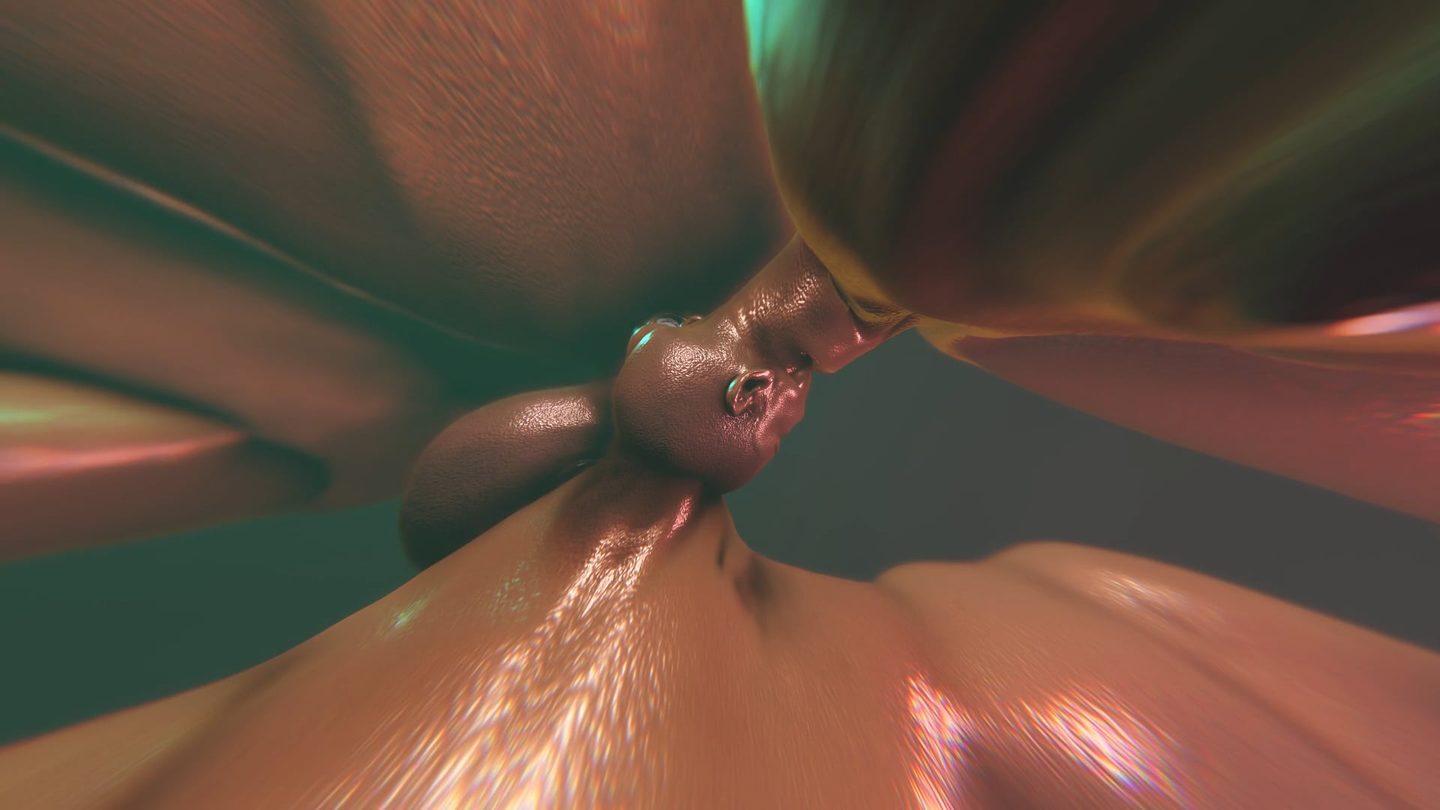
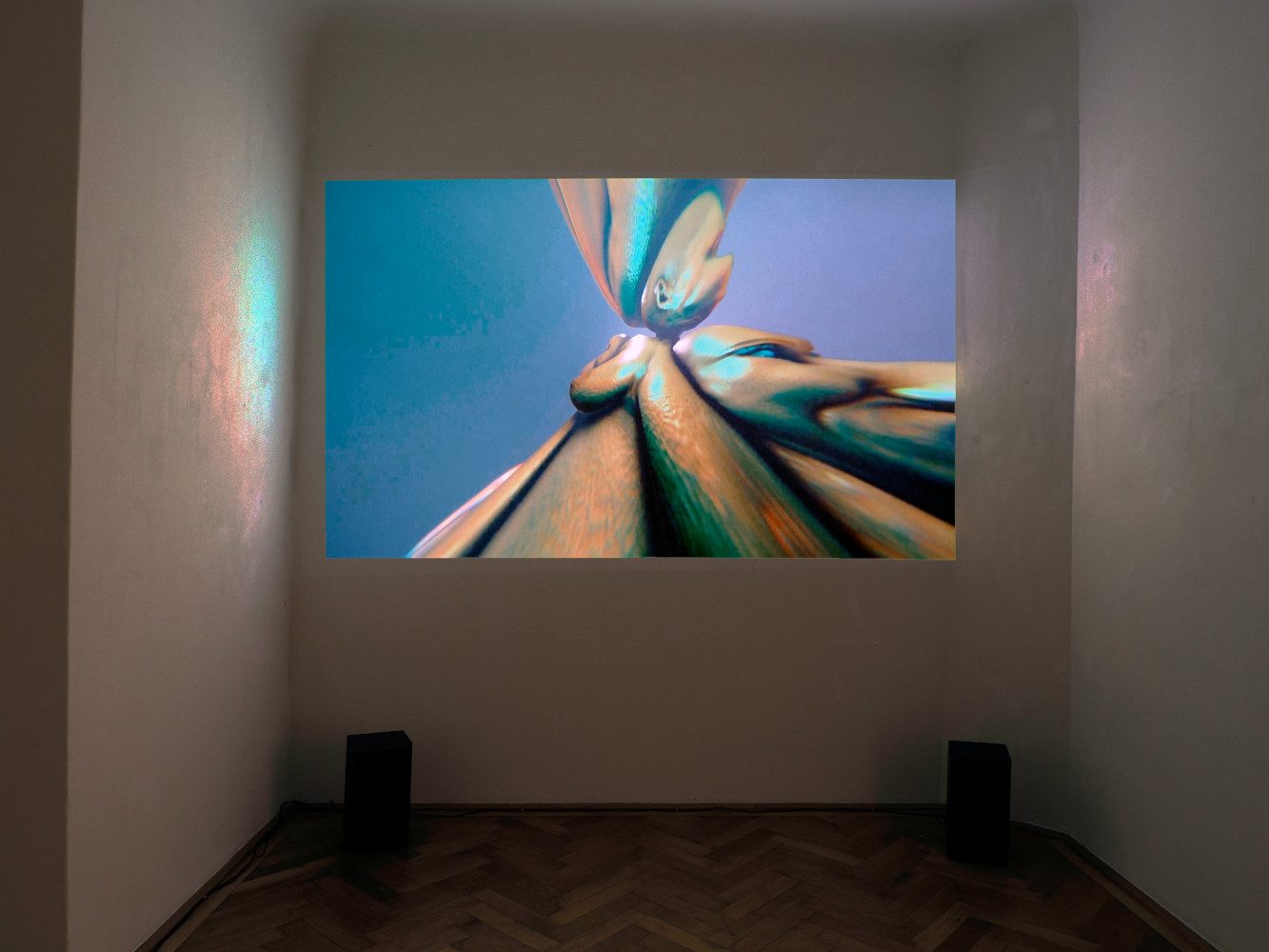
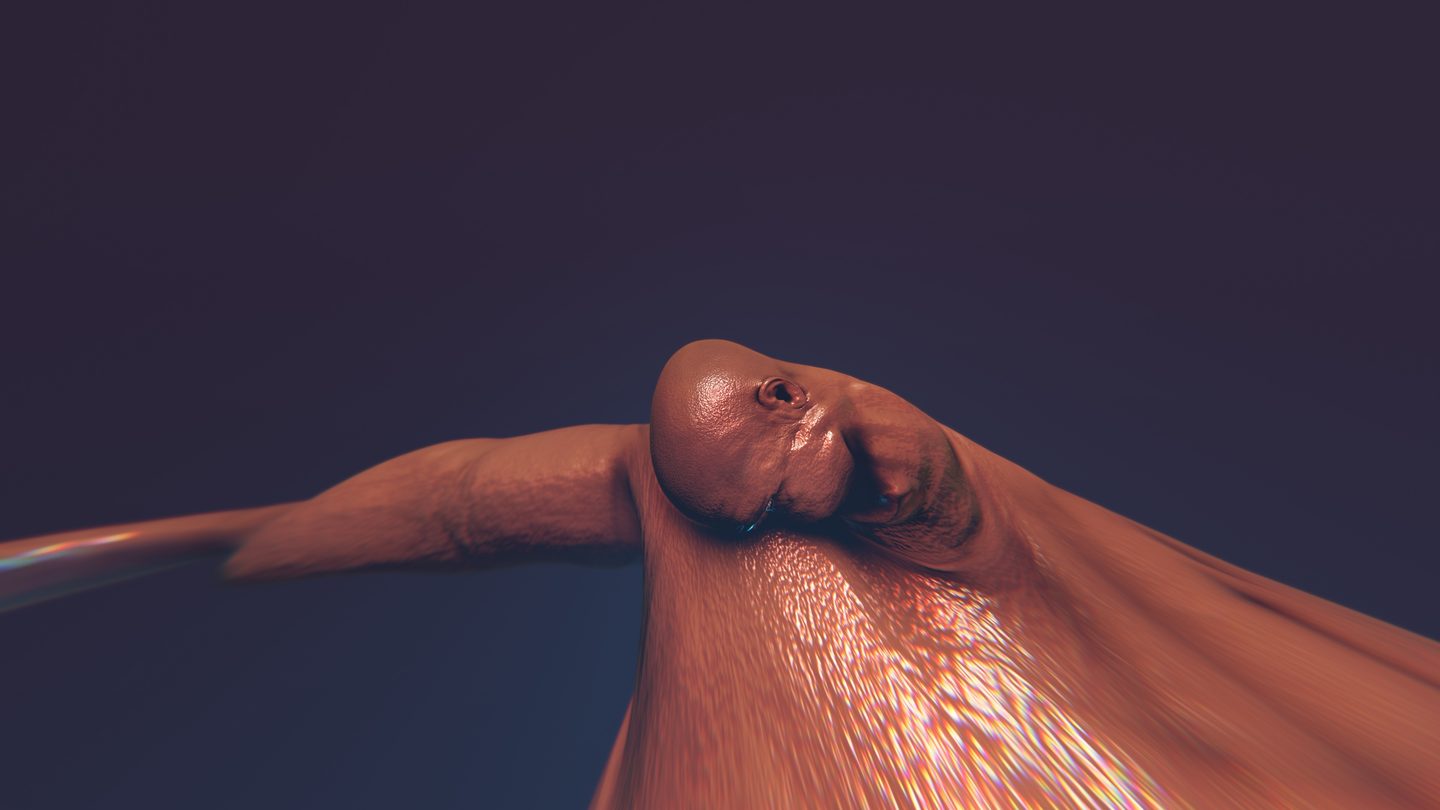
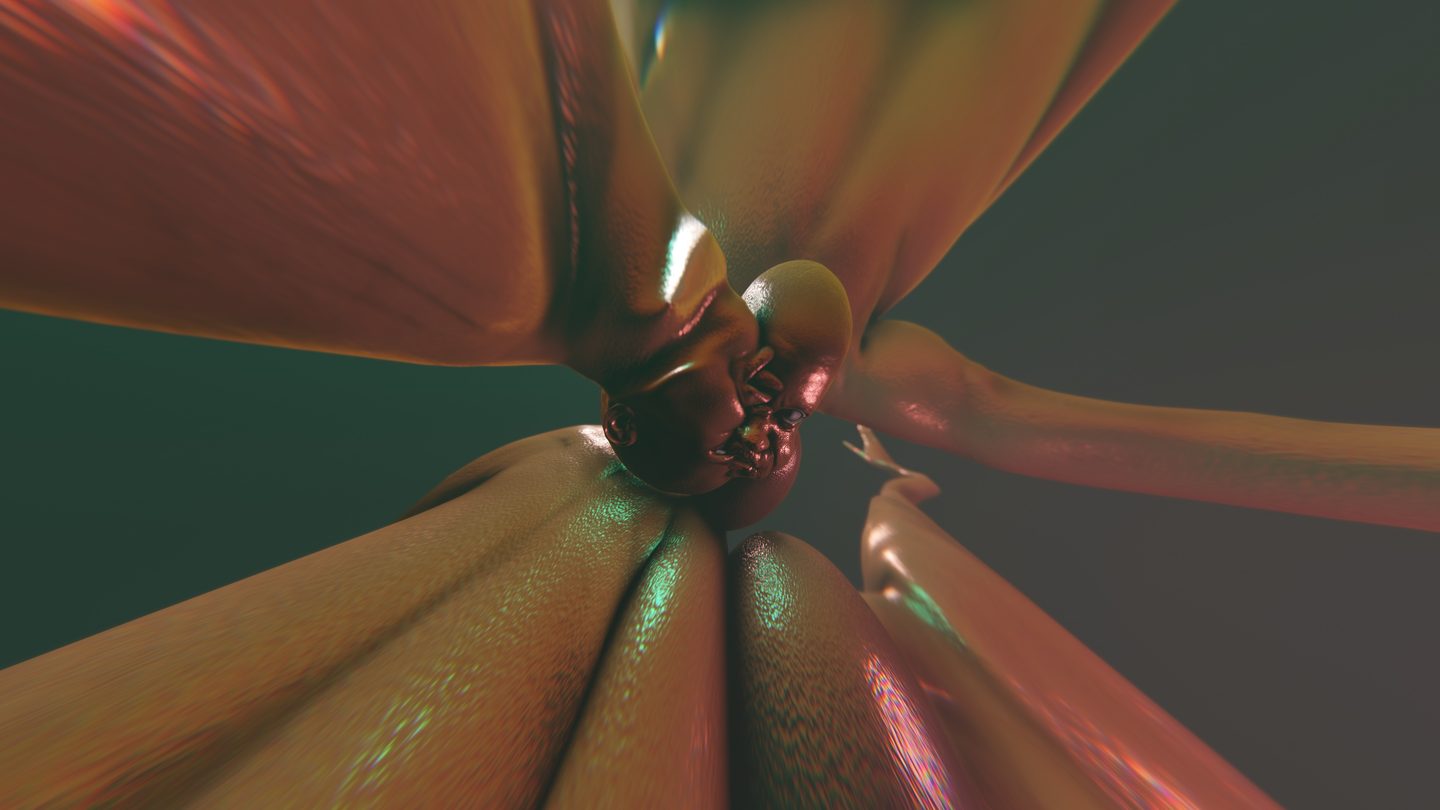
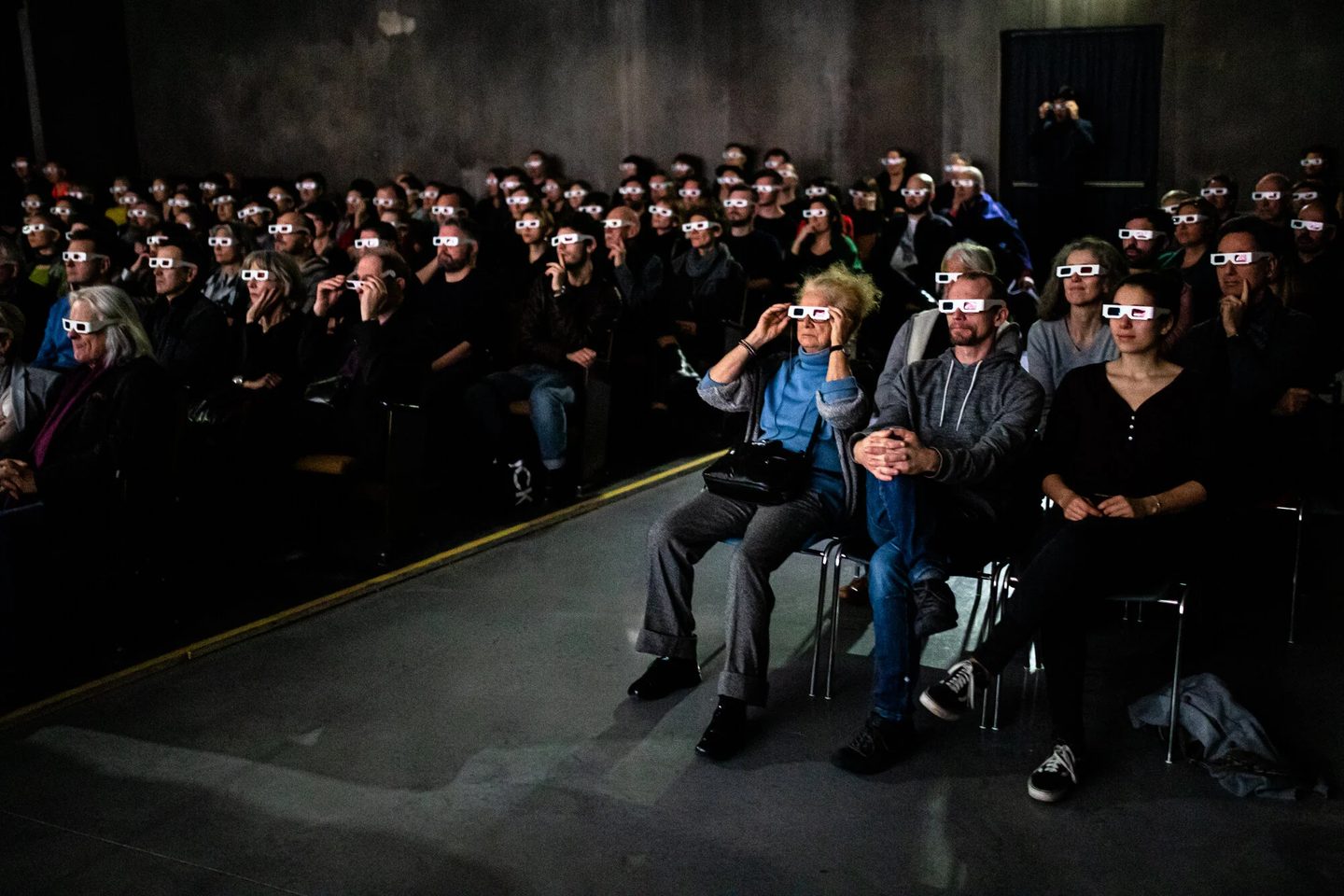
Taking Edwin A. Abbott’s 1884 novel Flatland, a two-dimensional world whose social order is expressed in geometry, as its point of departure, the piece expands that universe playfully into many dimensions. The performers inhabit the boundaries between media, suspending their rules and inventing new ways of playing and kinship, not to escape the world but to experience it from another perspective.
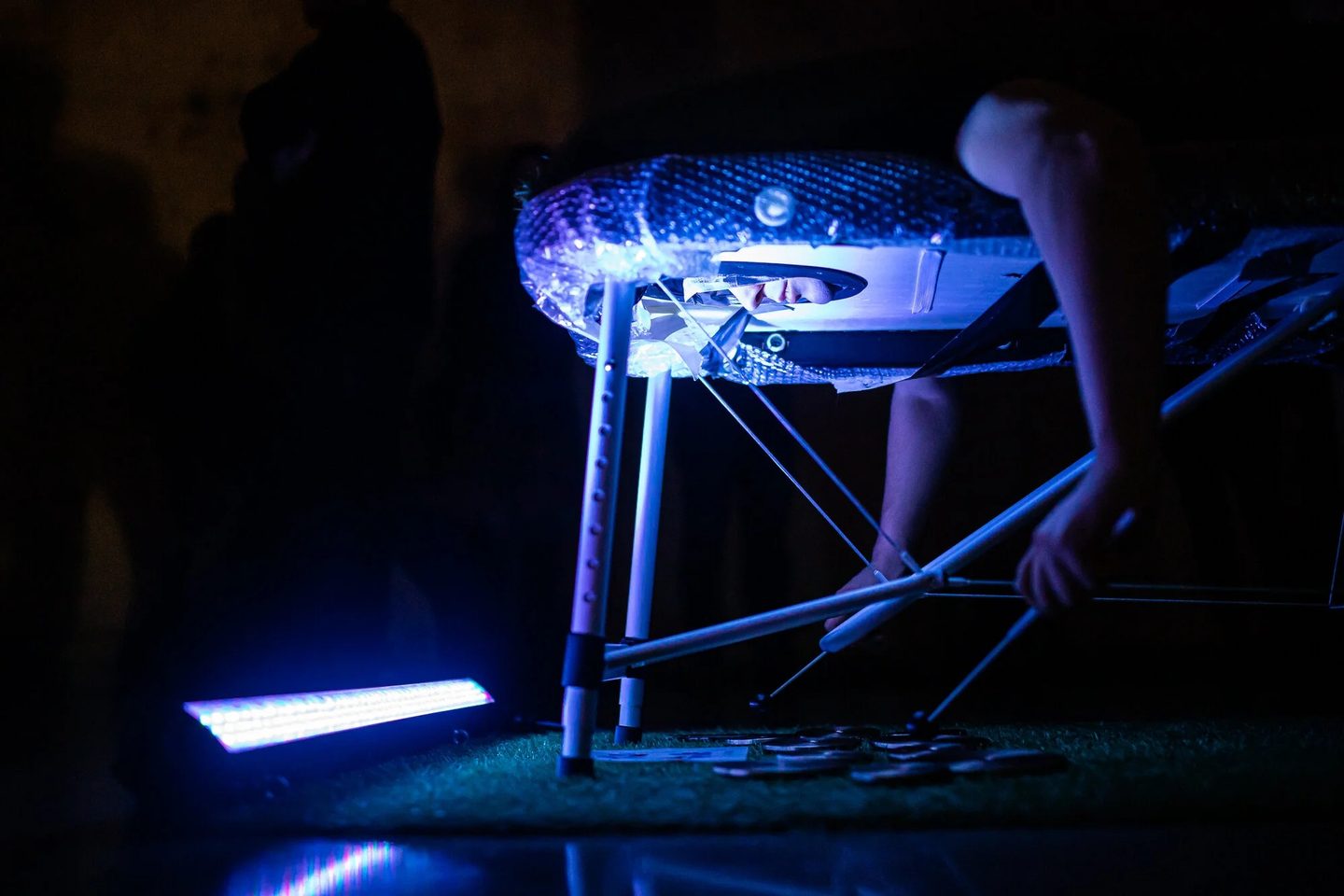
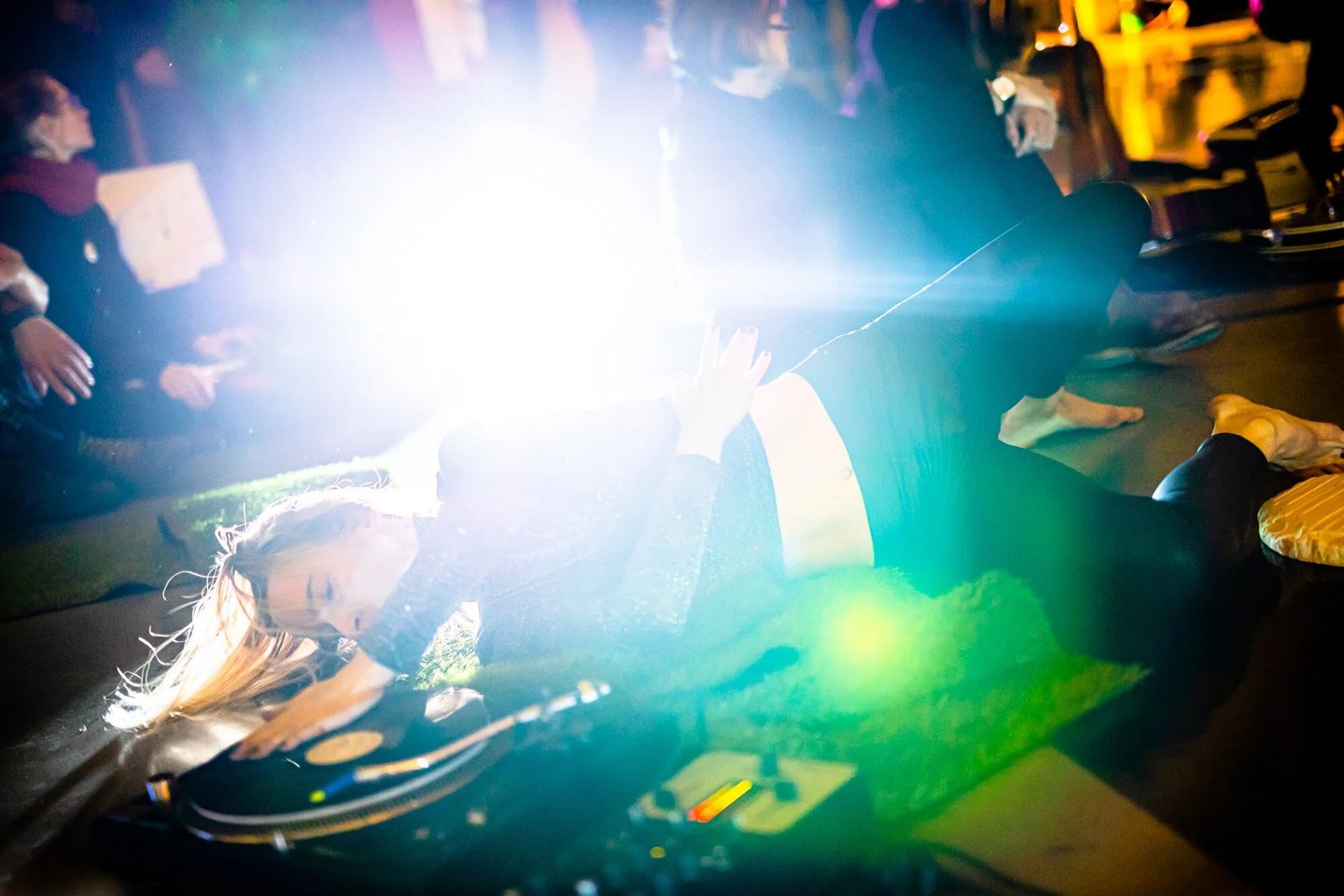
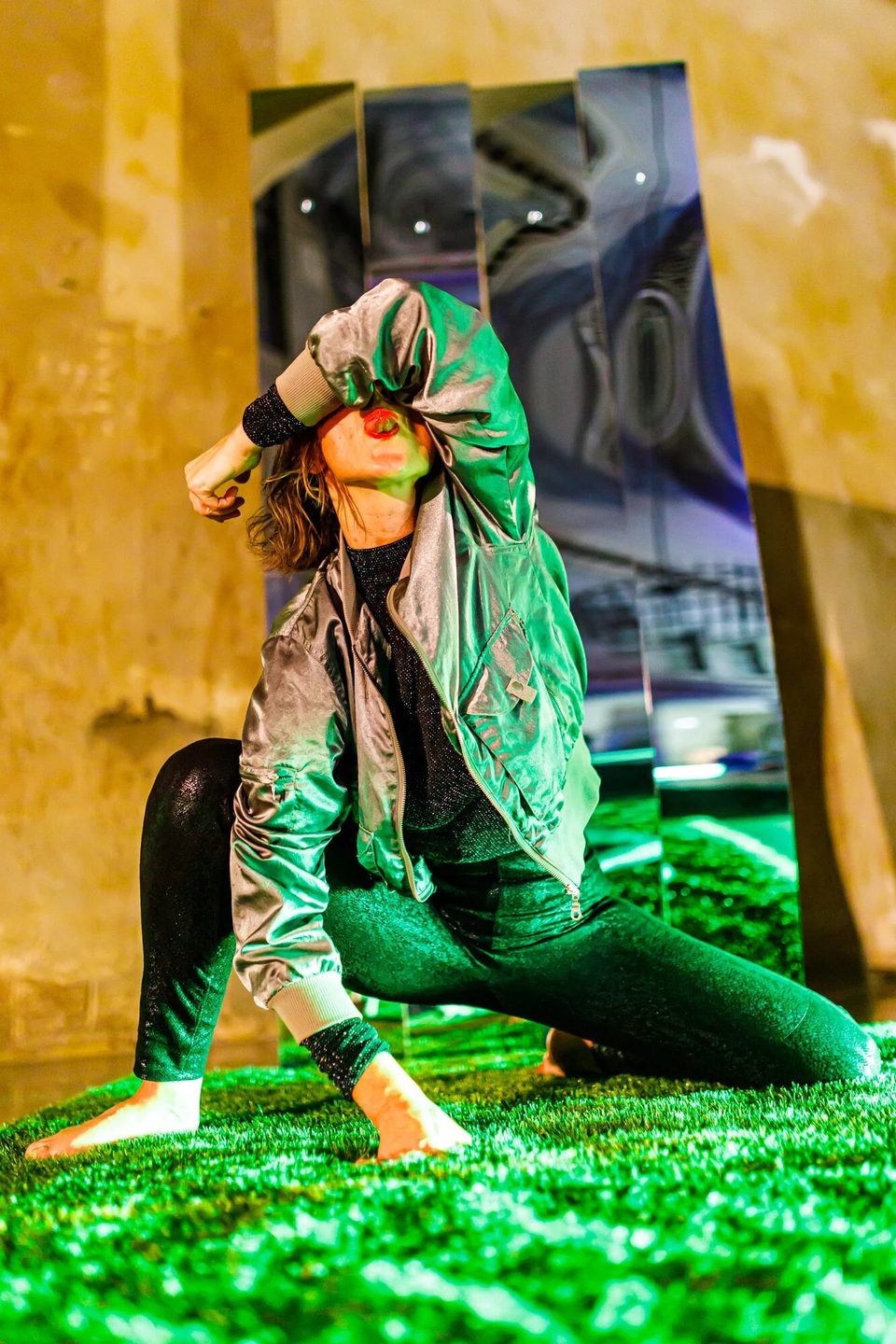
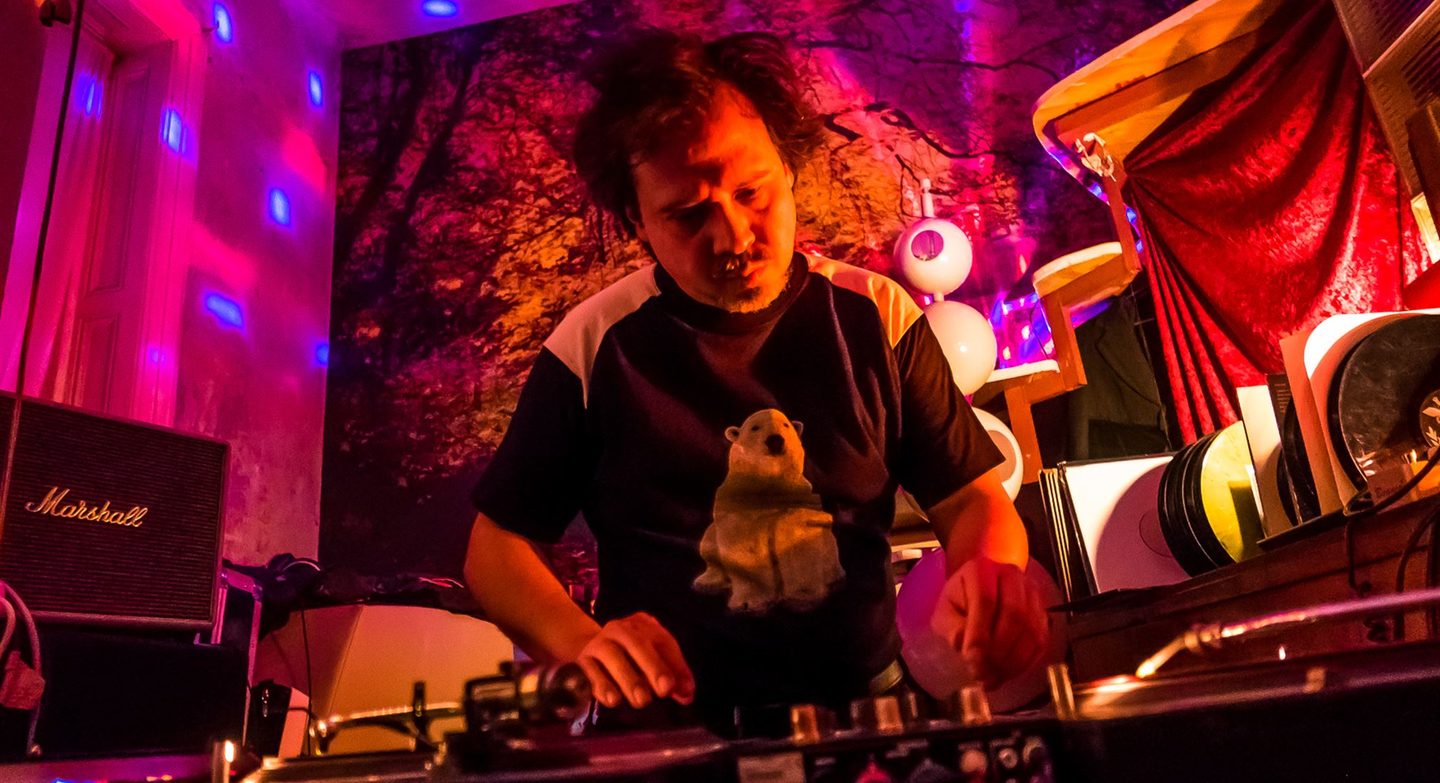
The title refers to a neoclassical villa housing one of the Caribbean’s oldest retirement homes, above a derelict district of Havana; from it unfolds an unstable narrative of daydreams and senile twilight. Wagensommerer, as TE-R, programmed a performance simulator, a game that drives the projection, its virtual characters, electroacoustic sound sculptures and the musicians’ score in real time, while itself reacting to the players and the DJ. The feedback loop turns the stage into a walk-in border zone between the physical and the virtual.
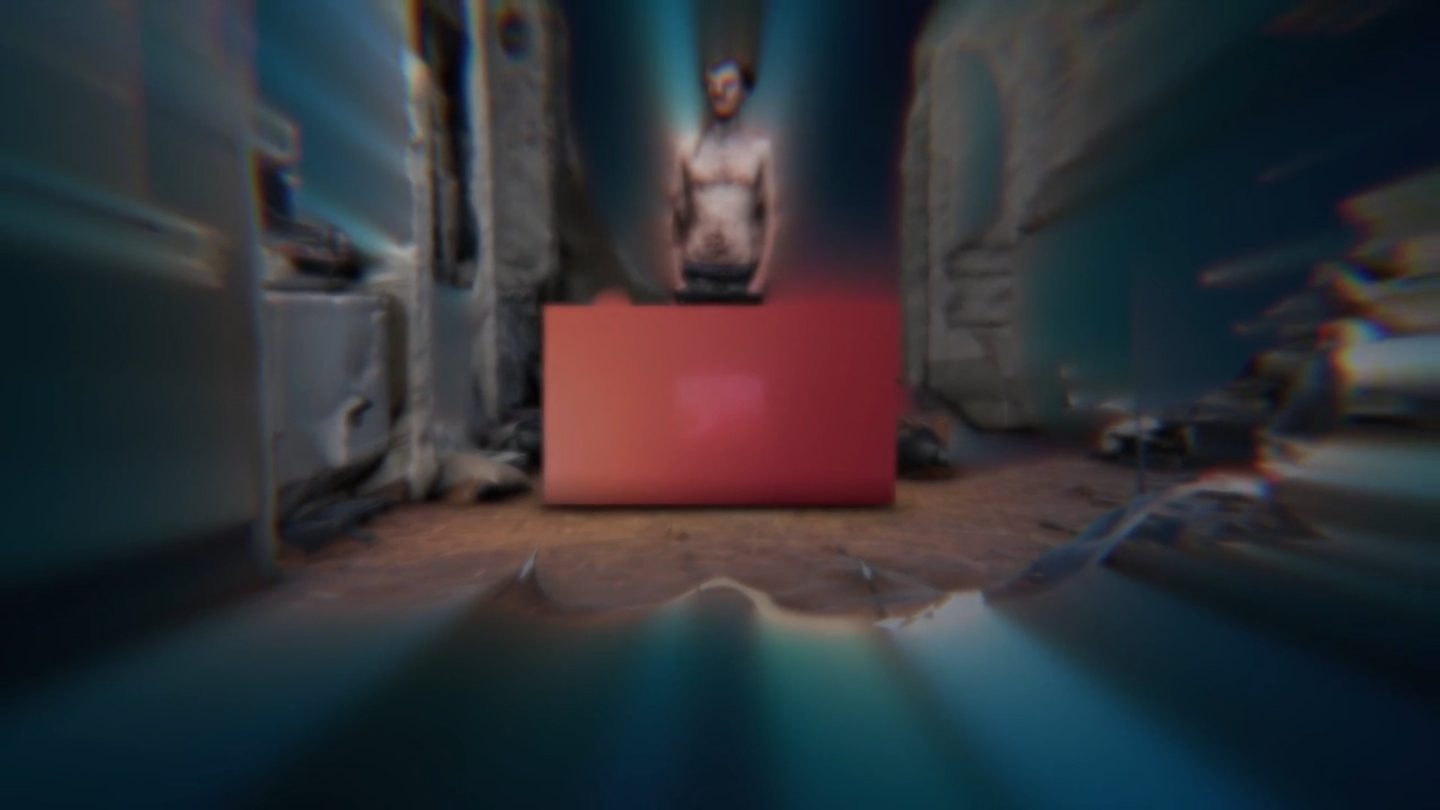
A piece about anticipation and promise. Teasers, trailers, advertising fragments, scraps of video and particles of sound are set into a poetic, non-linear narration, an idiosyncratic dialogue between stage, film and music. Expectation is questioned by making expectation itself the subject.
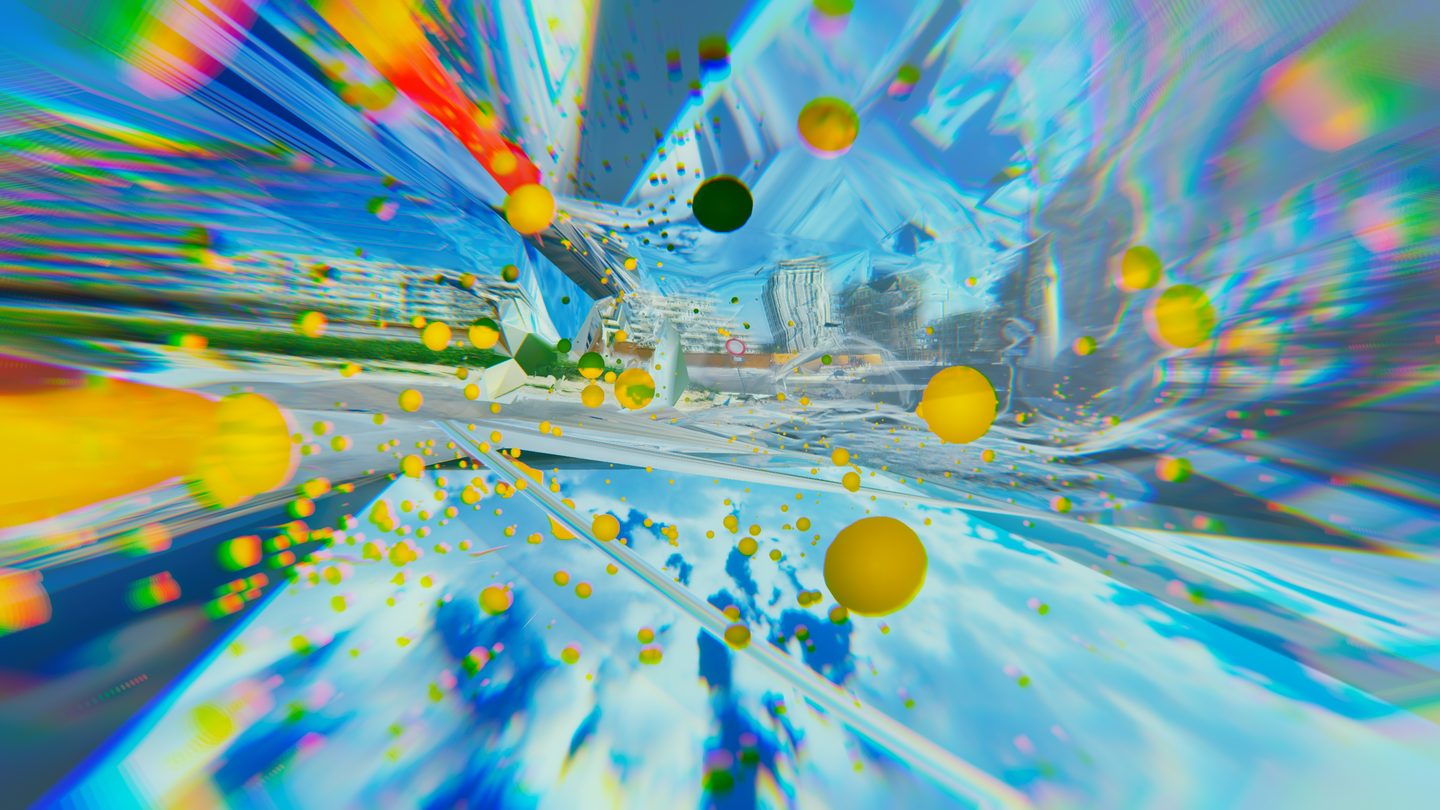
A one-hour performance of sound, generative and interactive real-time animation, bodies, light, objects and space. Its skeleton is built from sonic transformations of football fans singing “You’ll Never Walk Alone”. On this foundation the participating artists answer from their own practices, and human interaction becomes an intense, shared sensation.
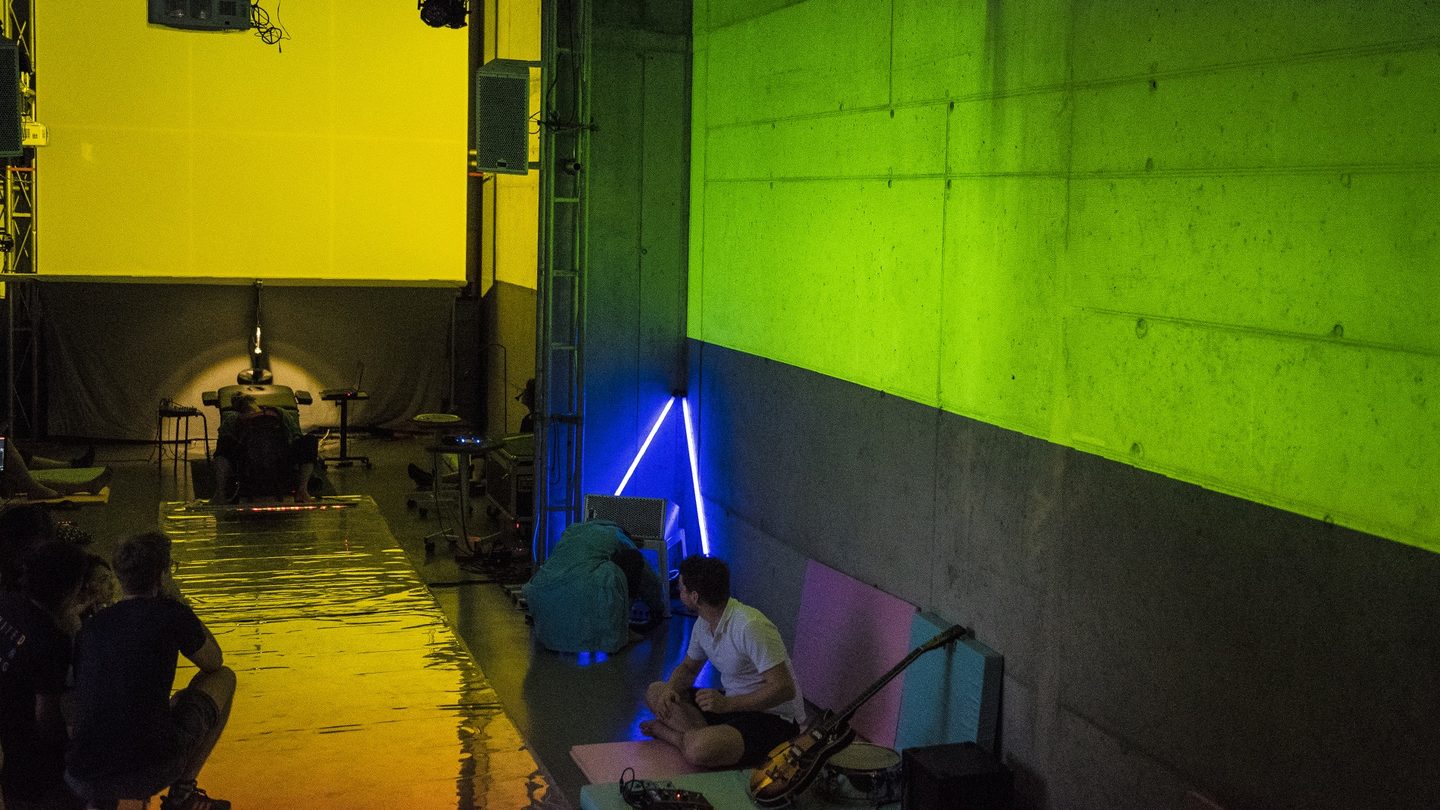

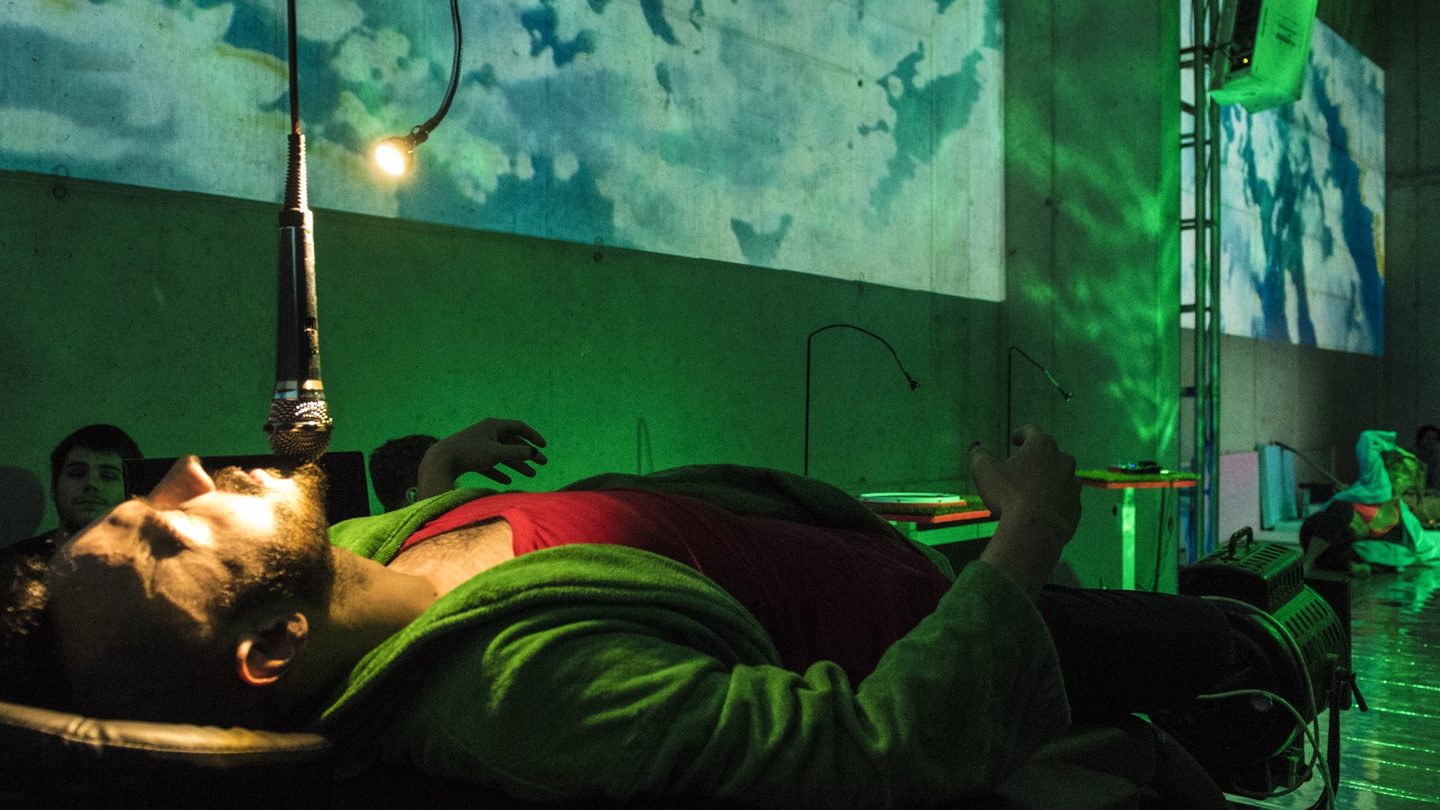
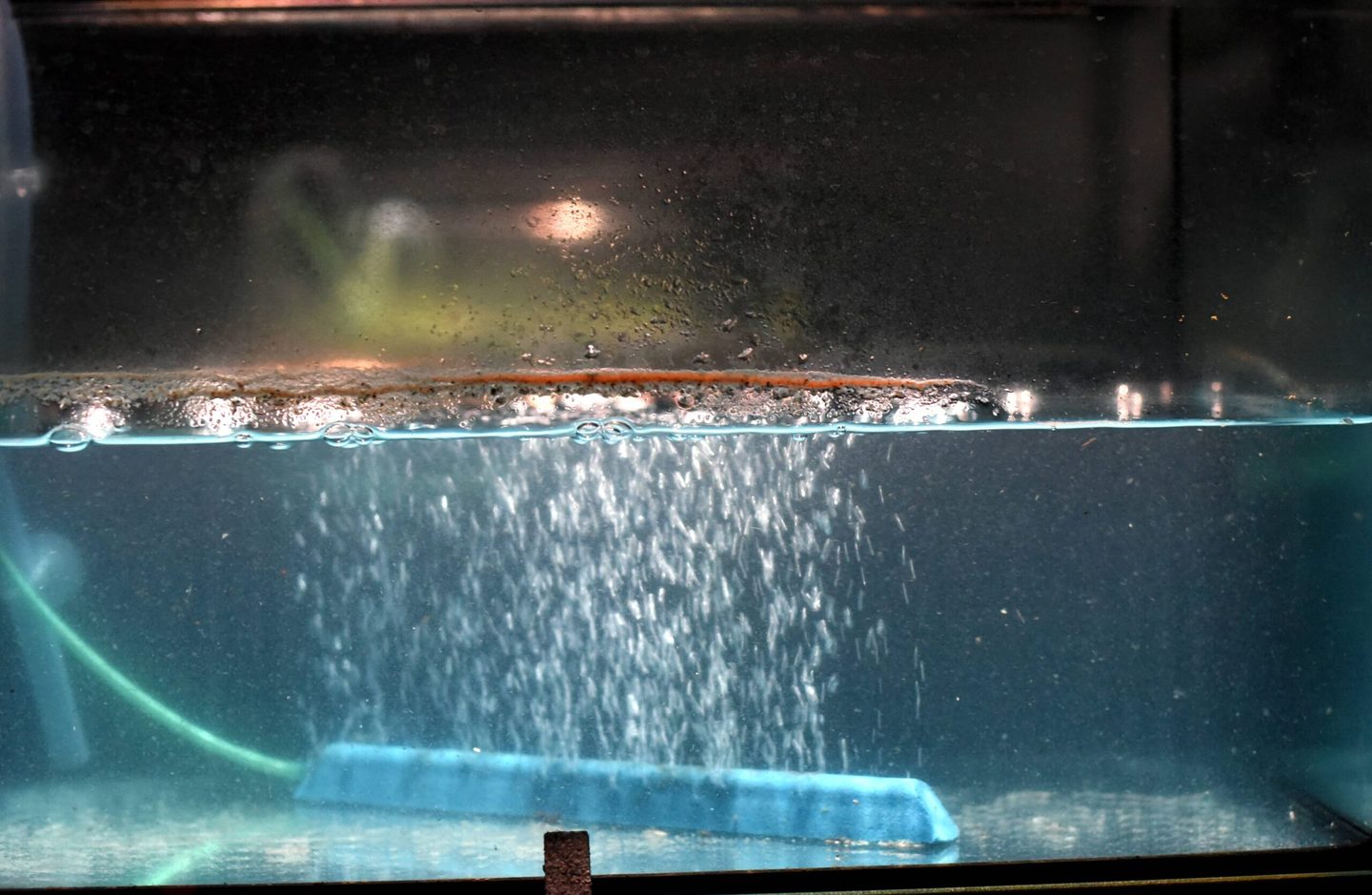
Two media operas by Thomas J. Jelinek and Jorge Sánchez-Chiong. OPERA of ENTROPY is a postdramatic “present-time opera” about the global crisis of disintegration, built on the accounts of real people, with an interactive installation that turns the hall into a shared musical and communicative space. Its sequel, OPERA of TIME, dissolves the border between stage and audience into a New Year’s Eve ball and asks how digitalisation changes the way we experience time.
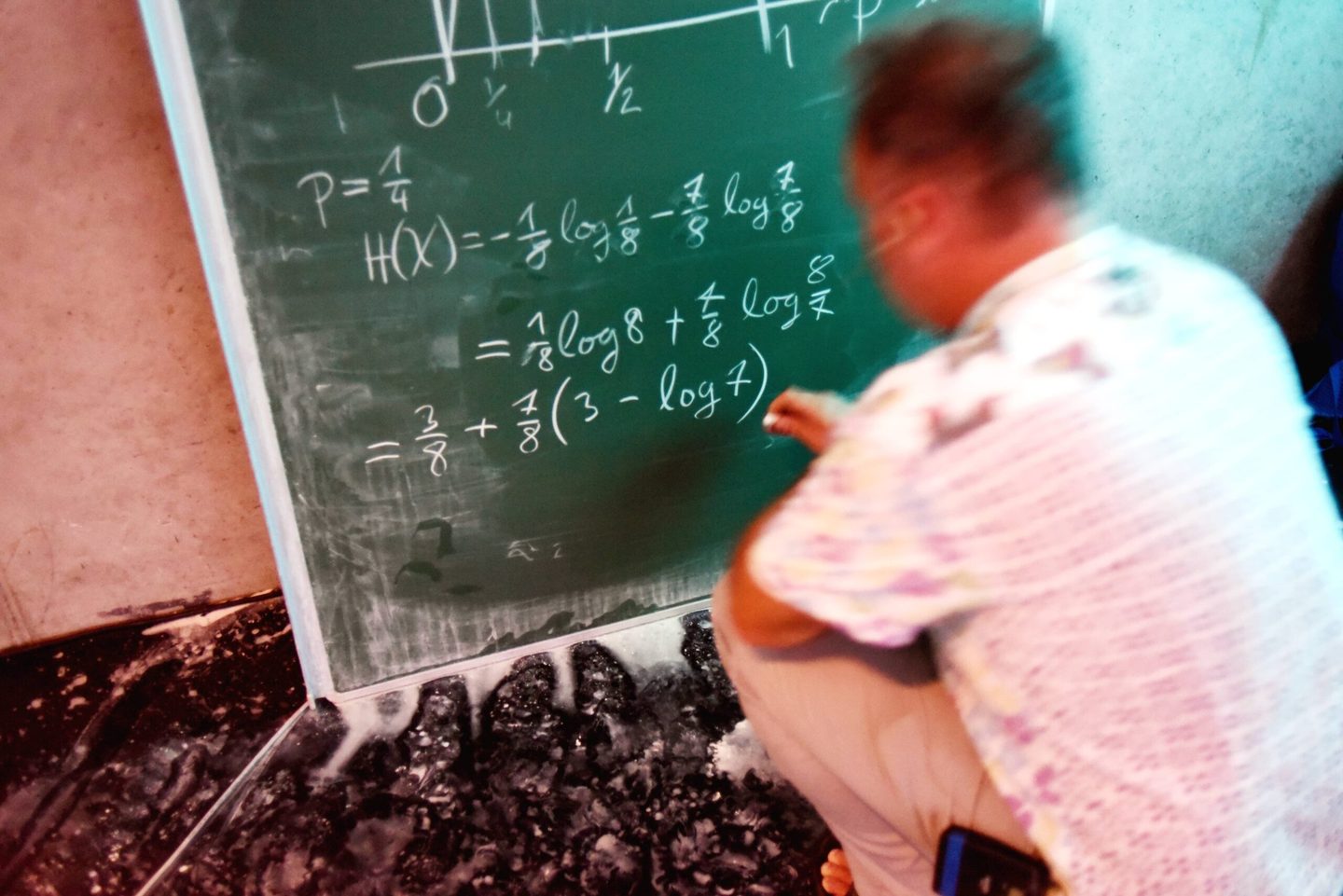
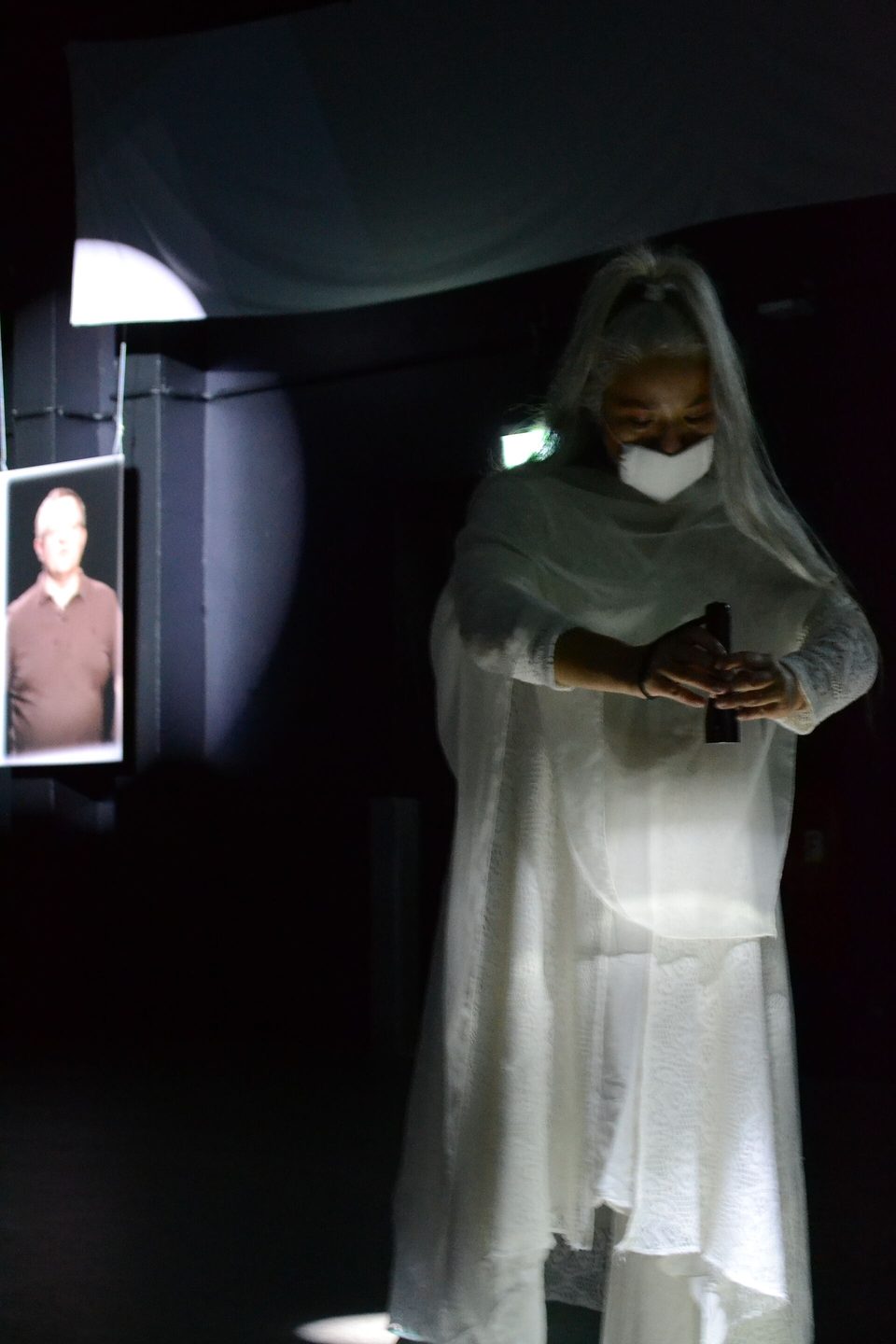
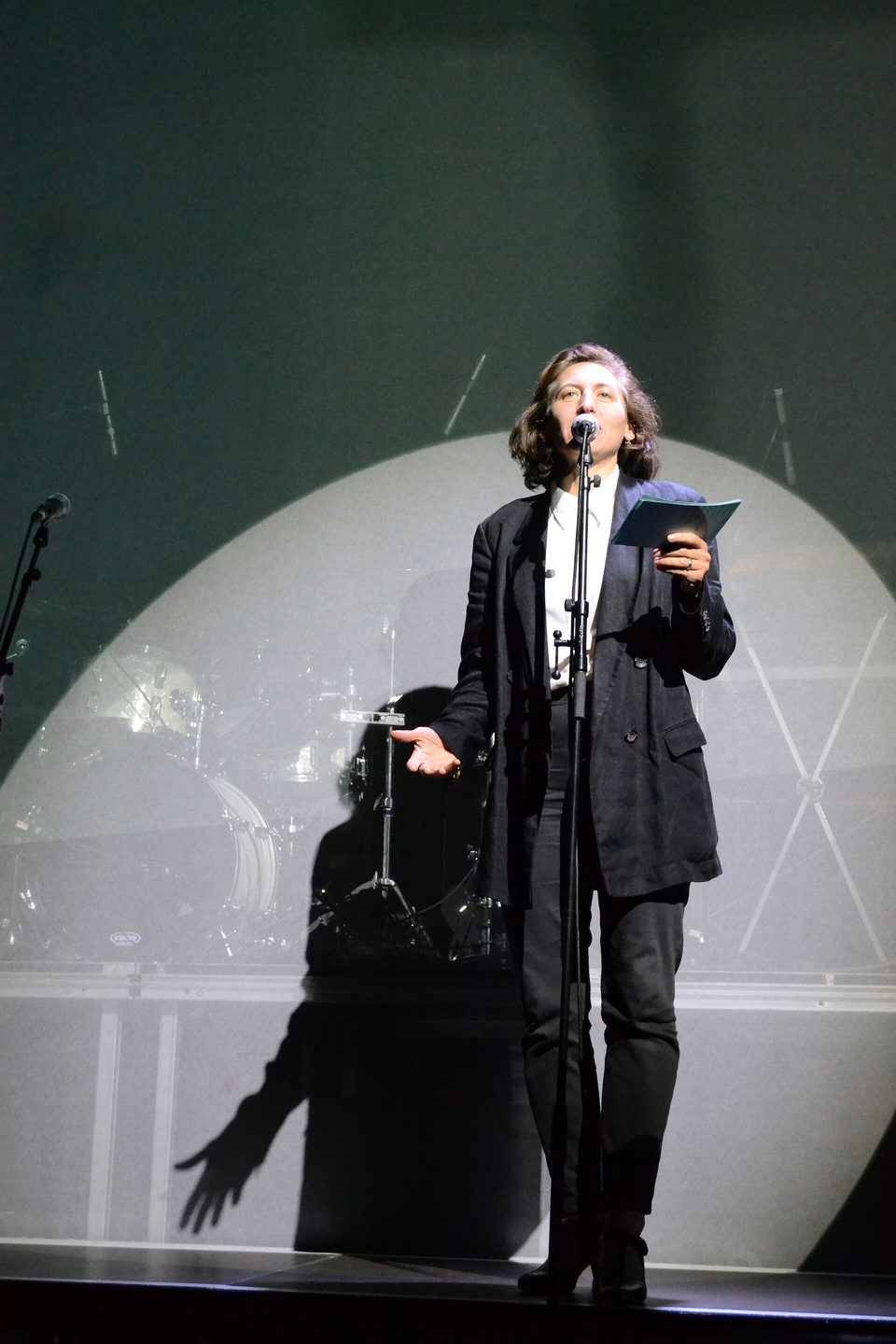
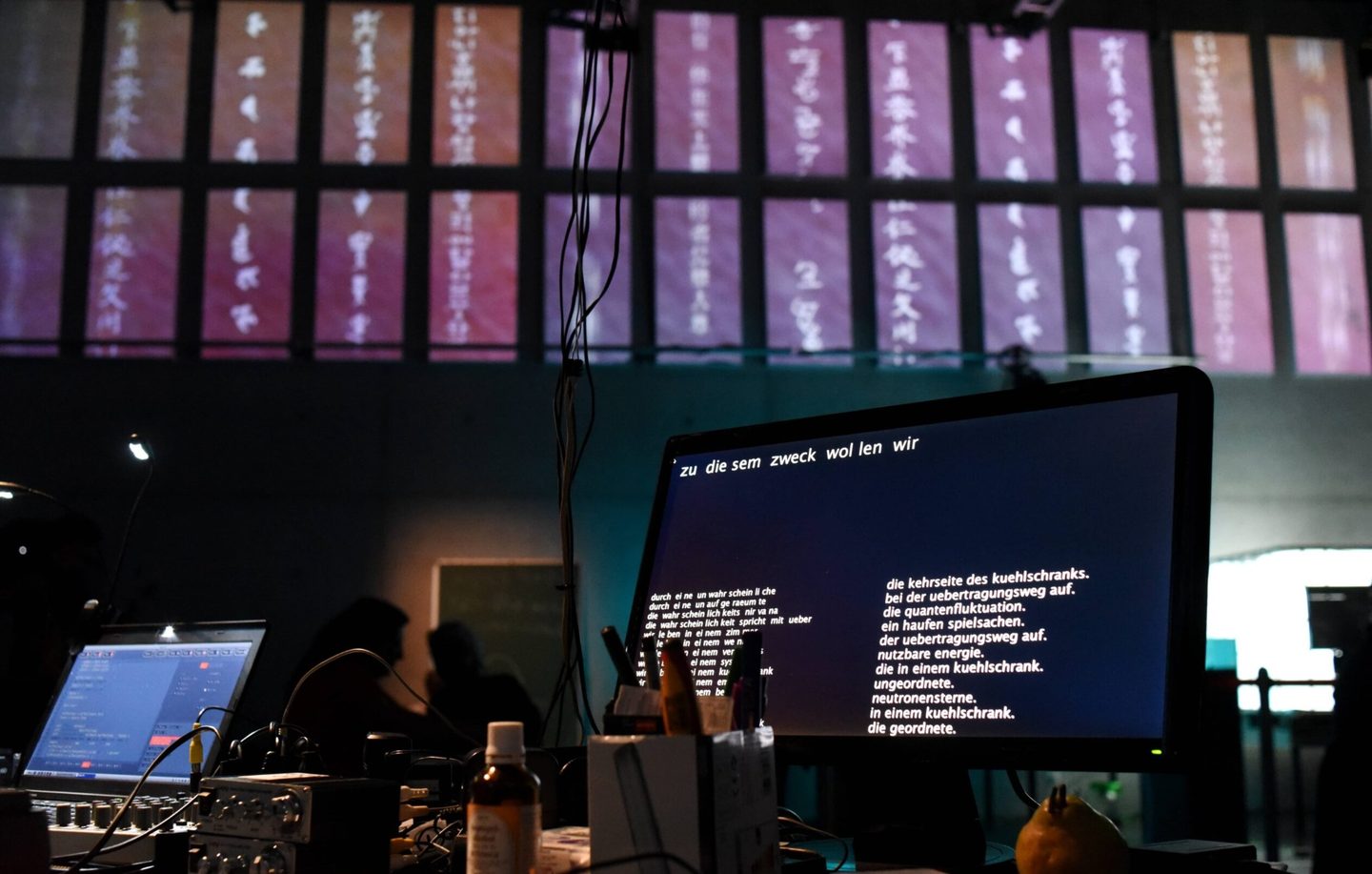
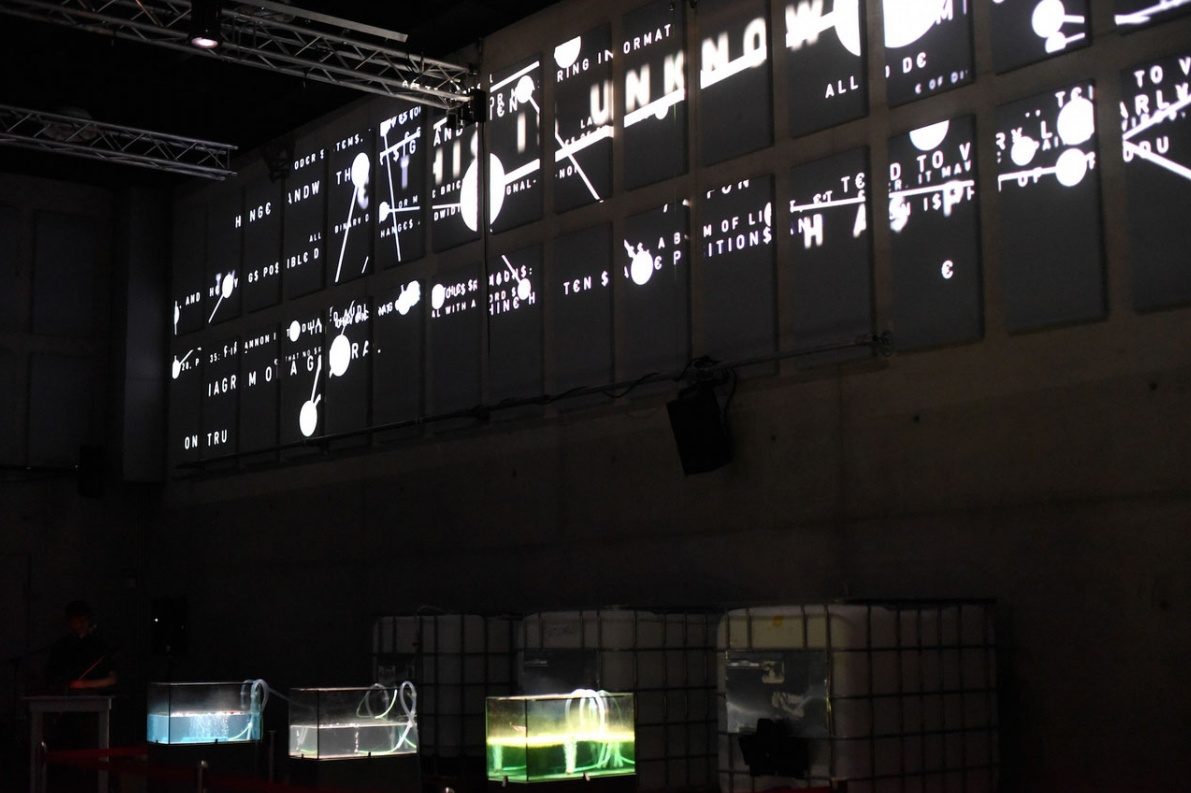
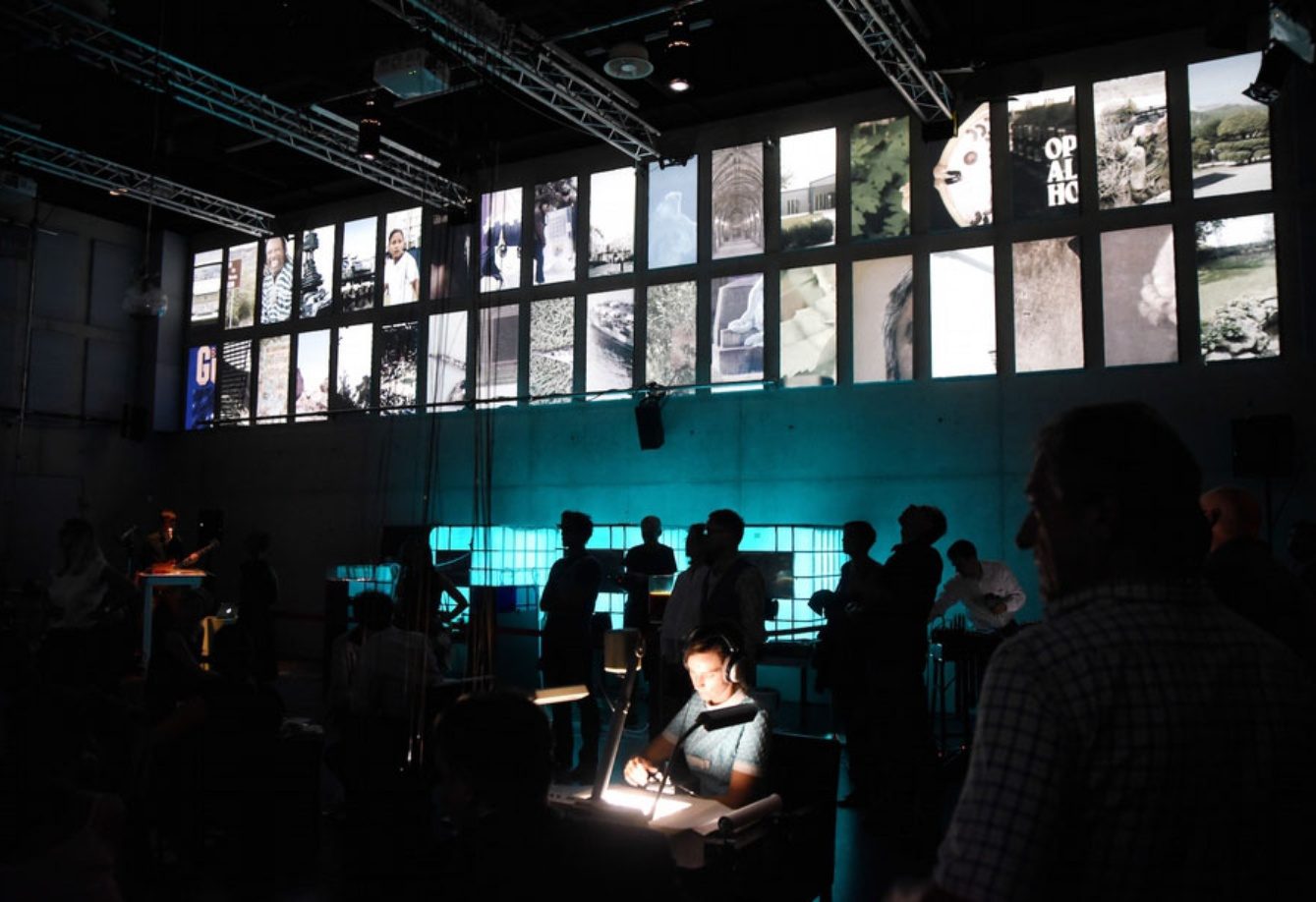
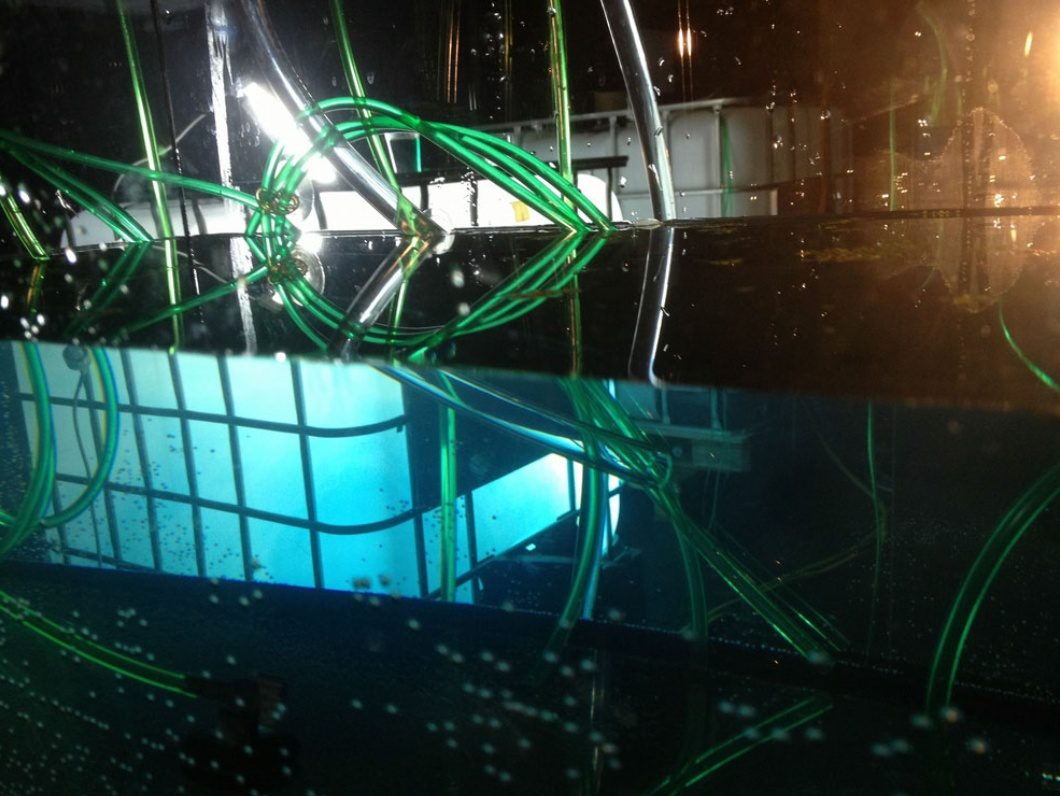
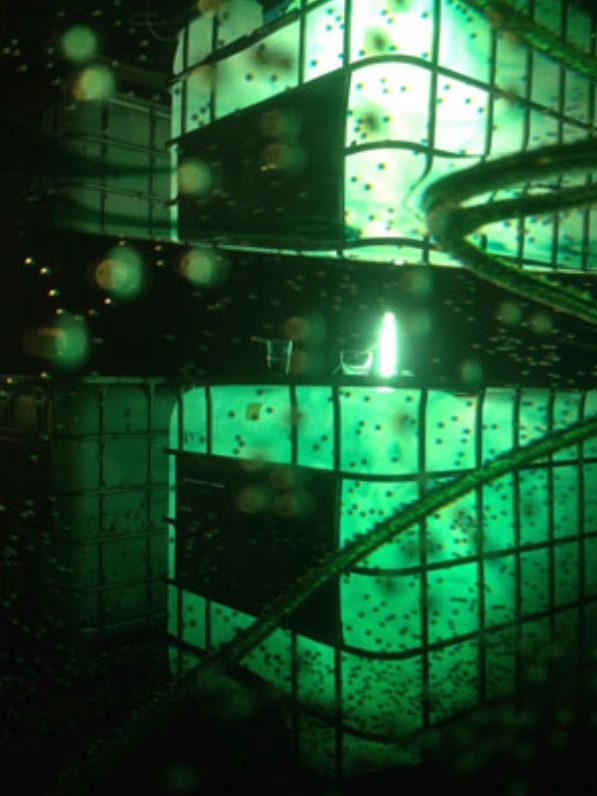
Zentrale was a site for networking and distributing art, with room for processes, presentations and performative interventions at the margins of artistic development and research in sound, sculpture and process. Its programme of exhibitions, concerts, performances and workshops was complemented by discourse and an archive of sound carriers and artists’ publications.
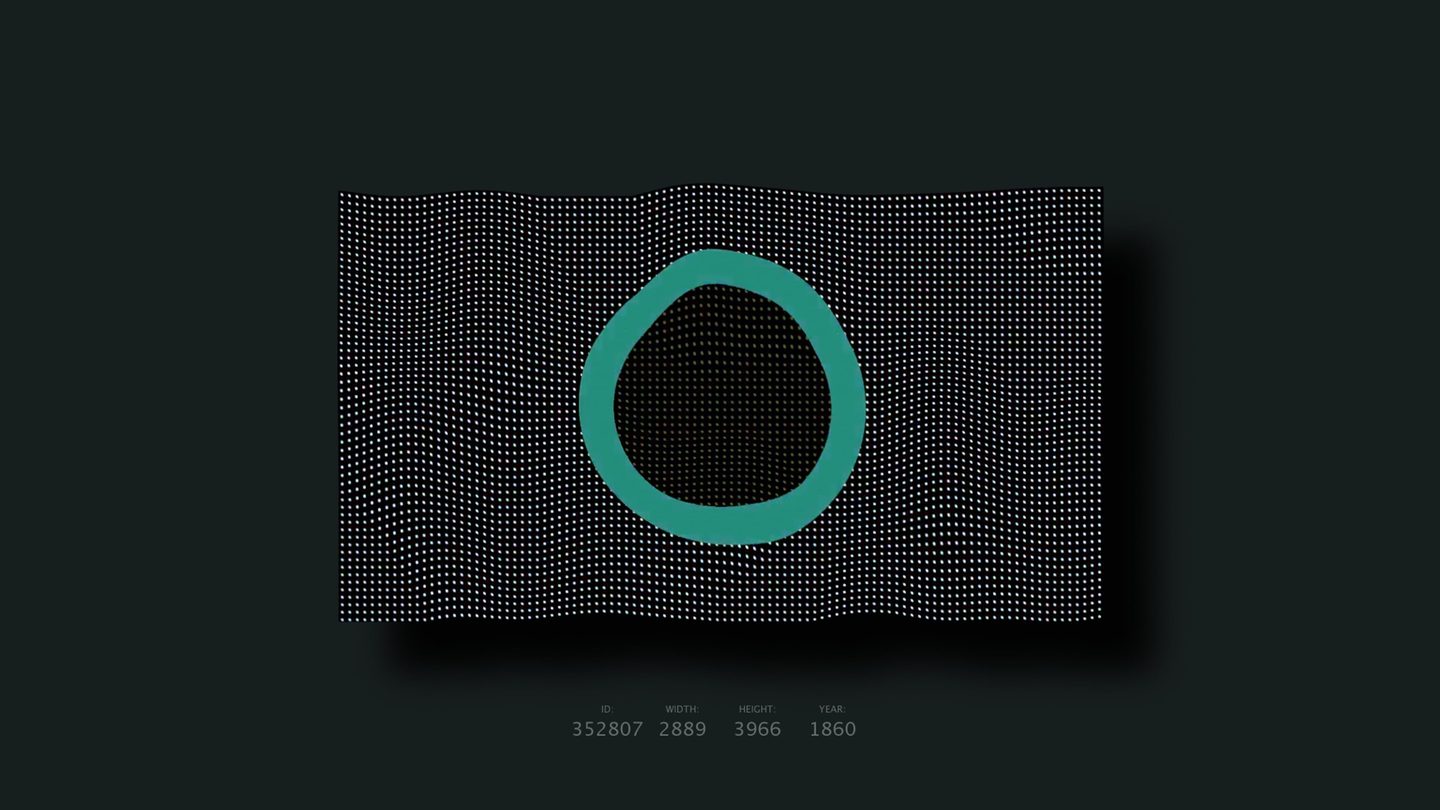
Together with ÖNB Labs, Wagensommerer built a feedback system that translates the metadata of more than one million scans of historic newspapers into sound and image. Only two parameters of each scan are used: its width and its height. Everything that is represented is discarded. The resulting sequence of resolutions, exact representation without its content, reflects on how history is perceived, interpreted and produced.
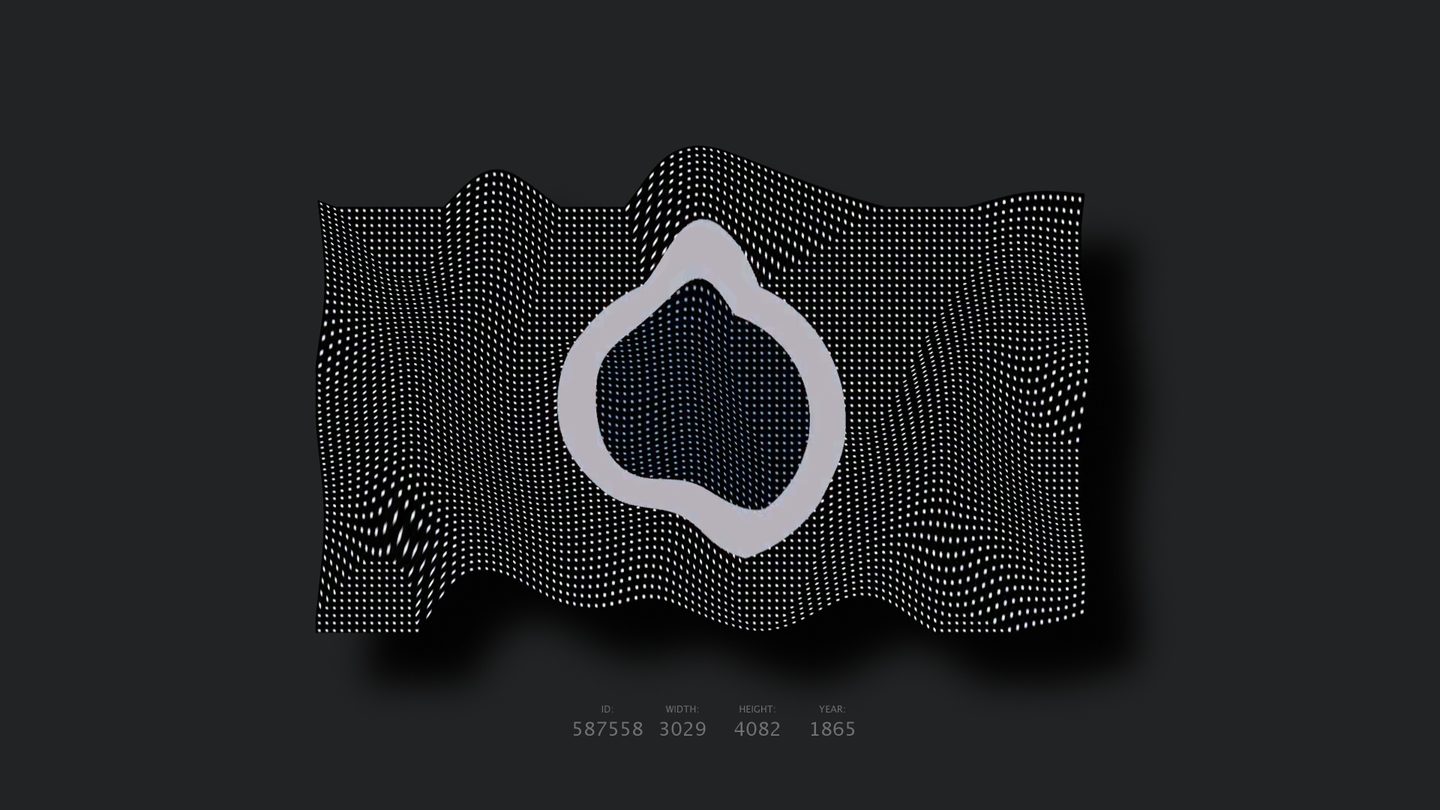
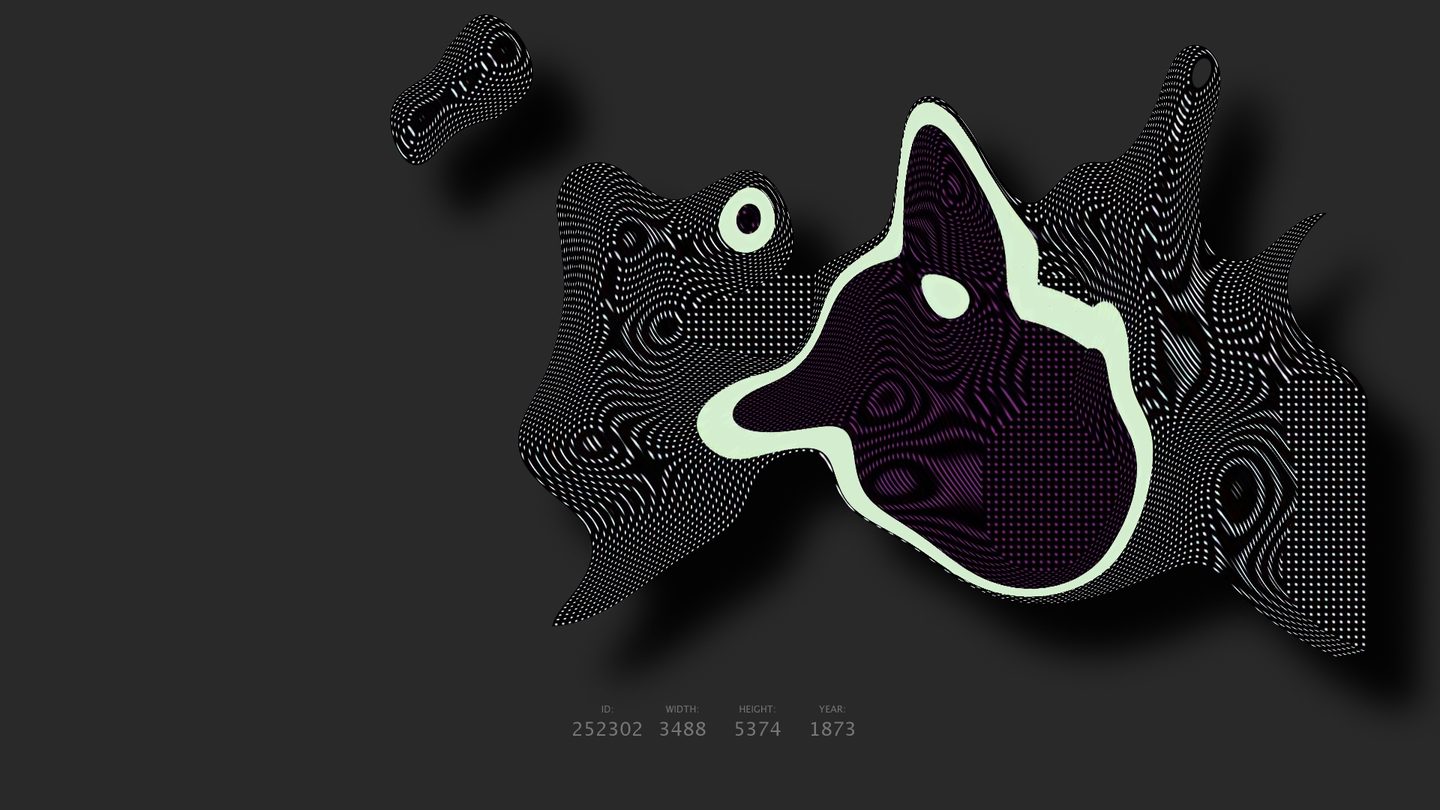
Neuroflow turns brainwave analysis and meditative states into the mechanics of play. Players steer the game through their own measured attention and relaxation, making the neurointerface itself the object of reflection: game art as a practical neurophilosophy.
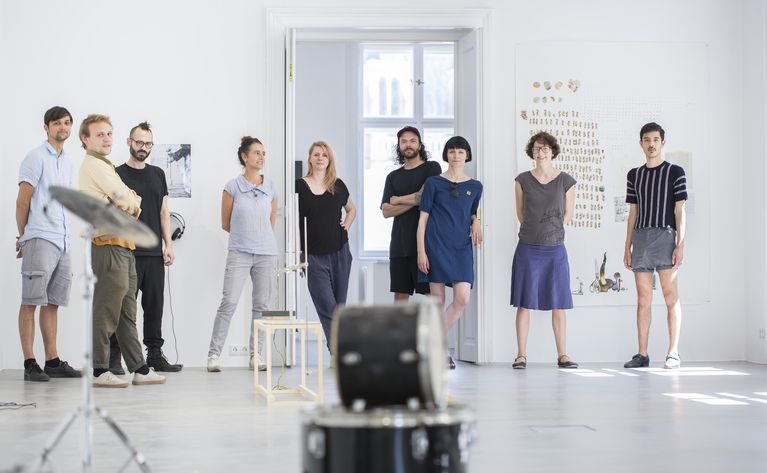
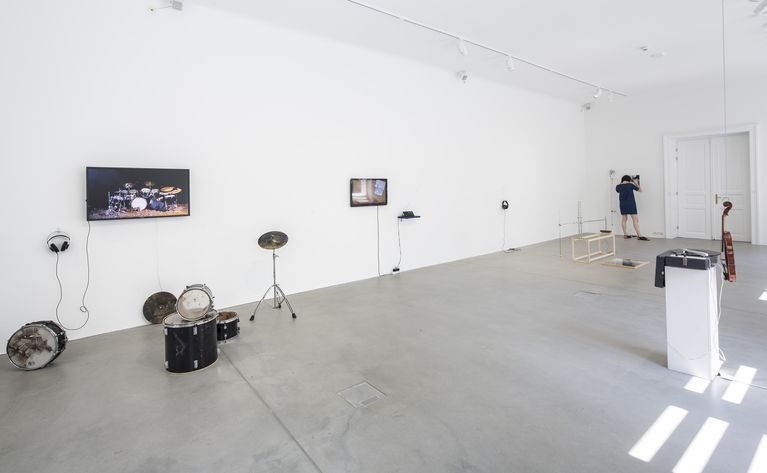
The installation hides from its audience: it exists only as code and as sound from speakers concealed in the exhibition space. Whenever someone, anywhere, tweets the hashtag #silence, a recording of silence made in the quiet exhibition space is played back. The tweet’s length sets the amplification: a tweet using every available character is barely audible, while a bare #silence turns the alleged silence into unbearable noise.

A gestural plea for a plural Europe. Through a YouTube channel, people of any origin contributed one gesture for how they currently feel about Europe and one as a wish; the performance traces passages between these gestures, turning appropriation and transformation into a physical practice of democratic dissent.
A game for CLEX, the sensor-driven contrabass clarinet developed on Ernesto Molinari’s initiative, with electric guitar, turntables, amplified orchestra and projection. Written by Jorge Sánchez-Chiong and TE-R as a solo concerto for the instrument’s first prototype, which reads the player’s finger positions and opens the instrument to multimedia applications; TE-R created the video and the design of the room.

An immersive audiovisual performance that questions the aesthetics of games and takes up the online phenomenon of the Let’s Play. The player becomes the performer, an intermediary between the virtual reality of the game and the physical reality of the performance. The software is freely available under copyleft.
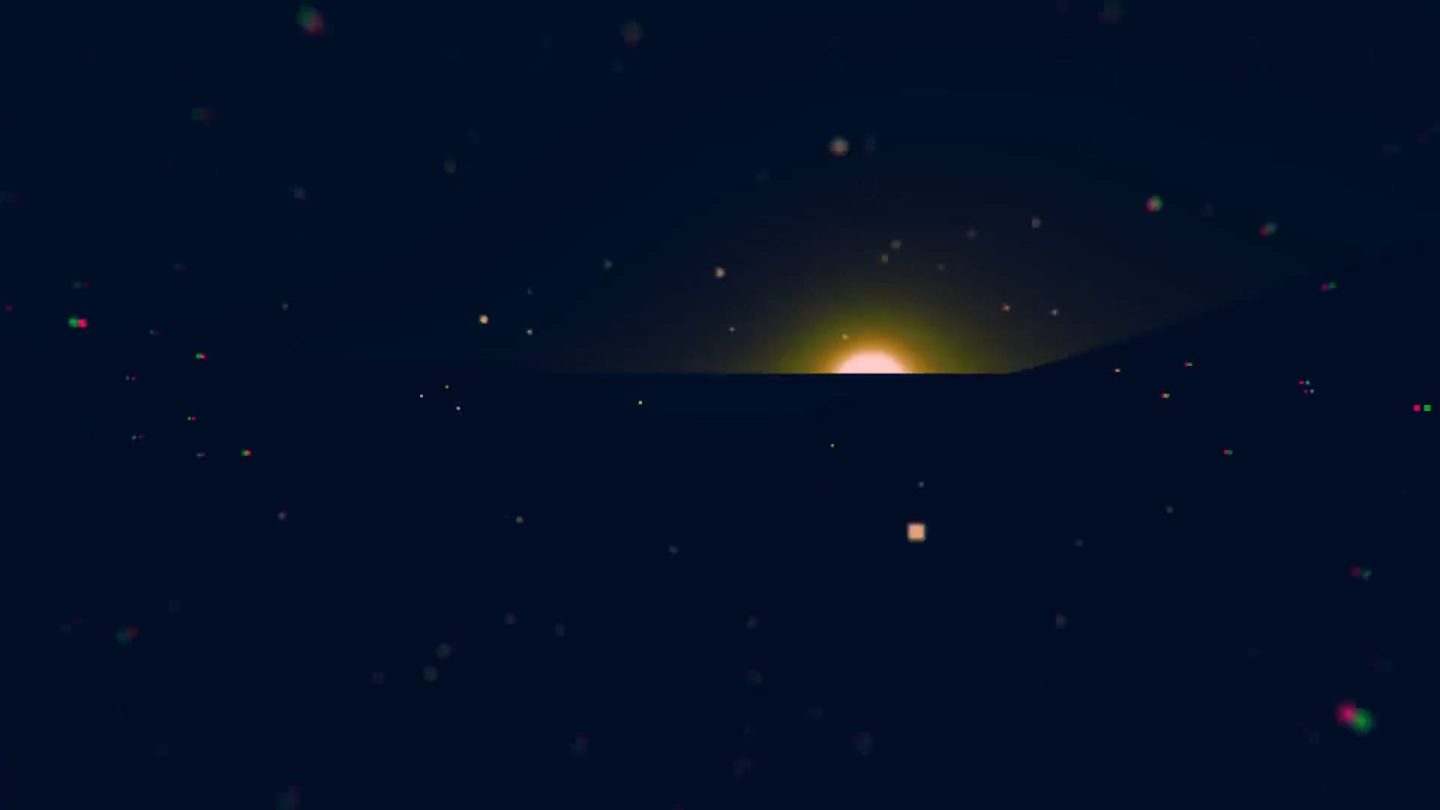
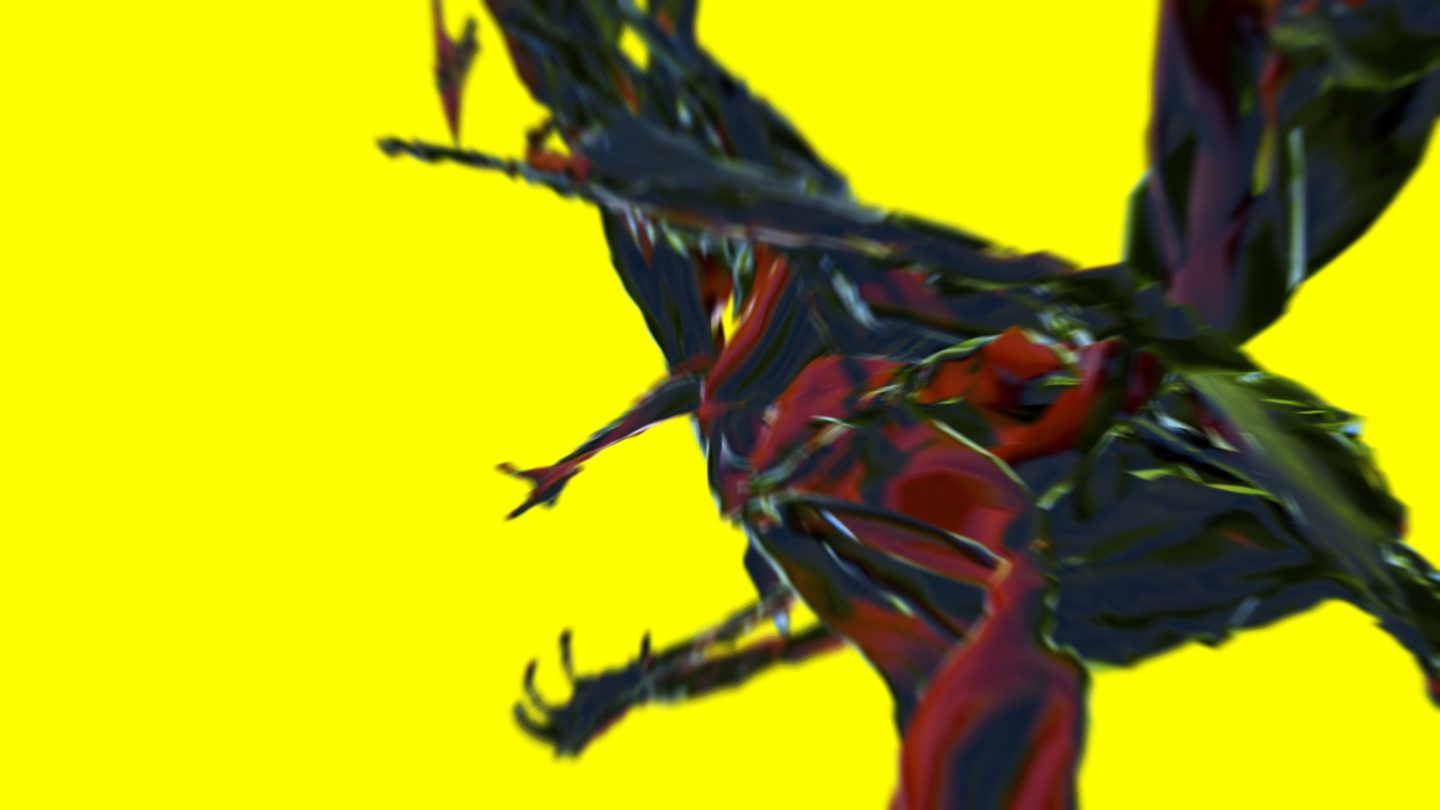
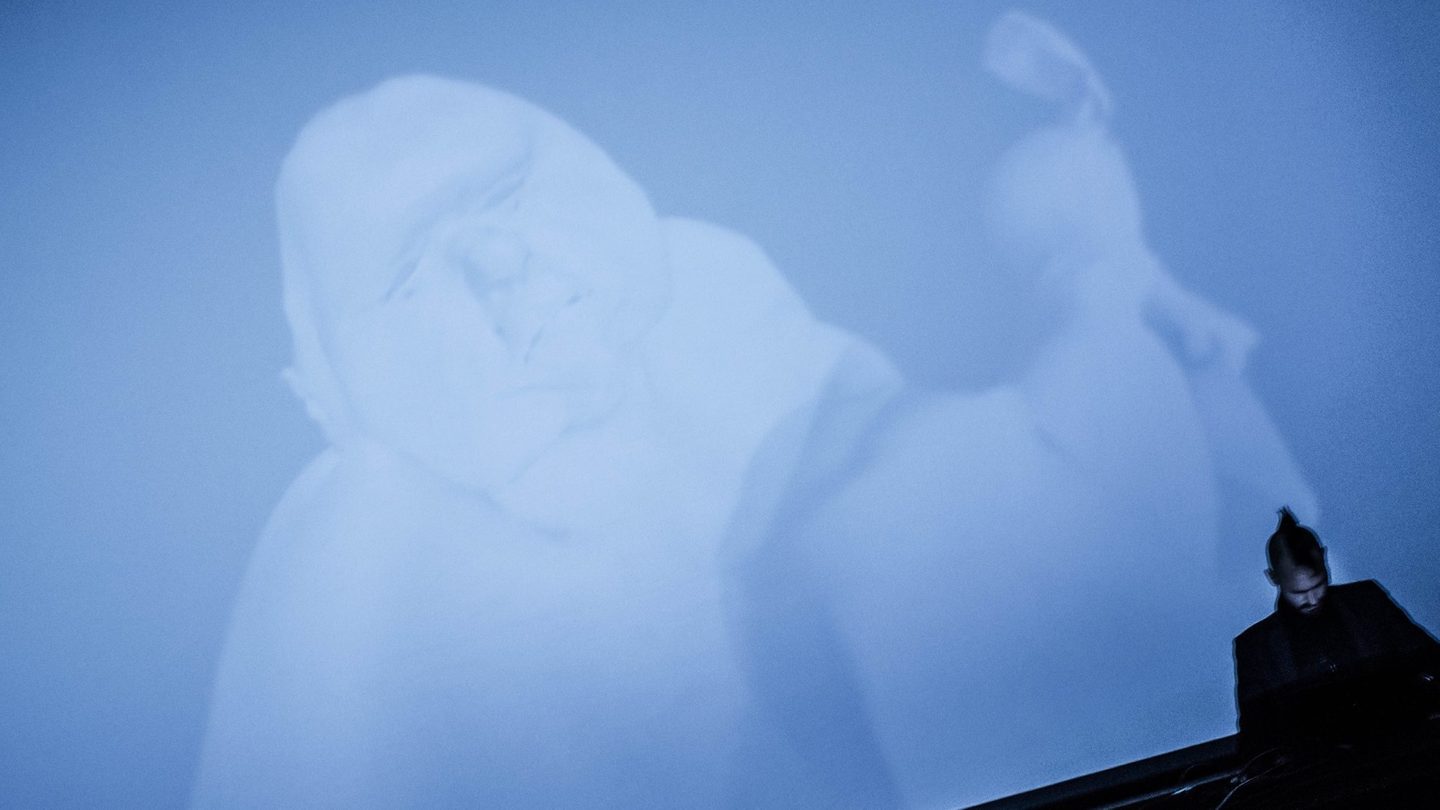
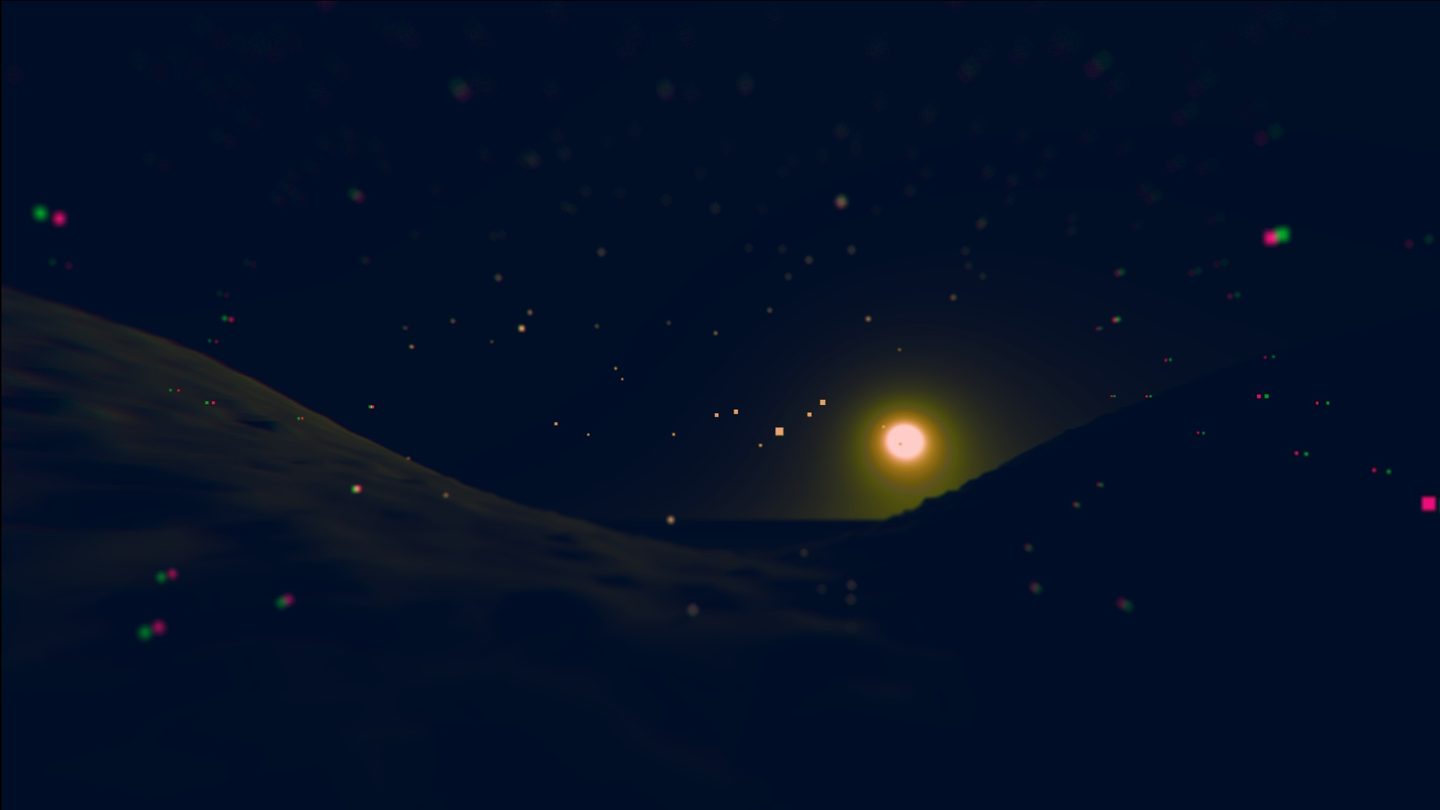
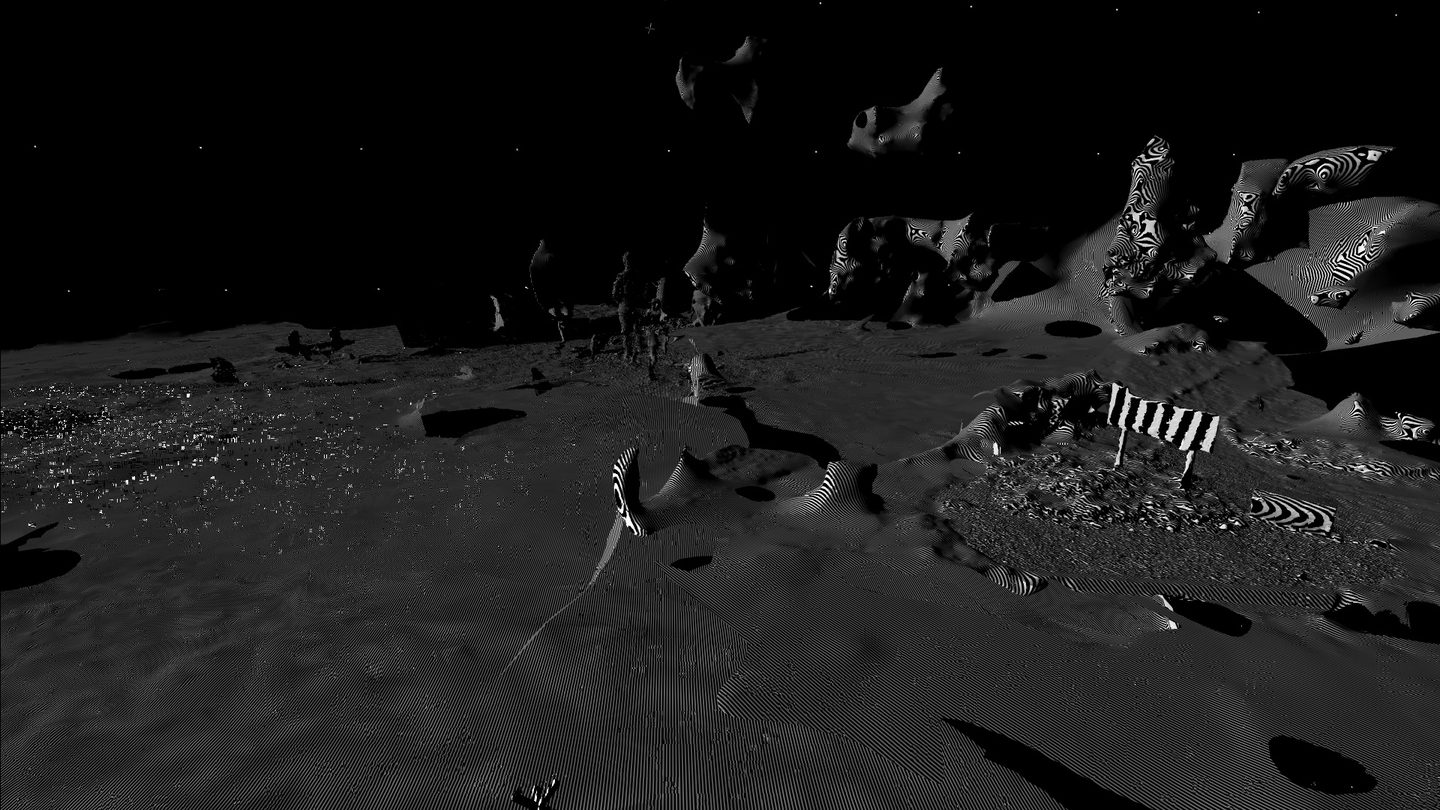
Built entirely from the audiovisual deconstruction of iconic pop hits of 2014 and 2015. The smallest possible grains turn signature sounds of contemporary pop into an expansive soundscape in a pop-song structure stretched to twenty minutes. The video mirrors this with extremely short shots, often only a few frames, that served as filler in the original music videos, exaggerating the stereotypes of body representation, violence and gendered power relations that would otherwise slip past.
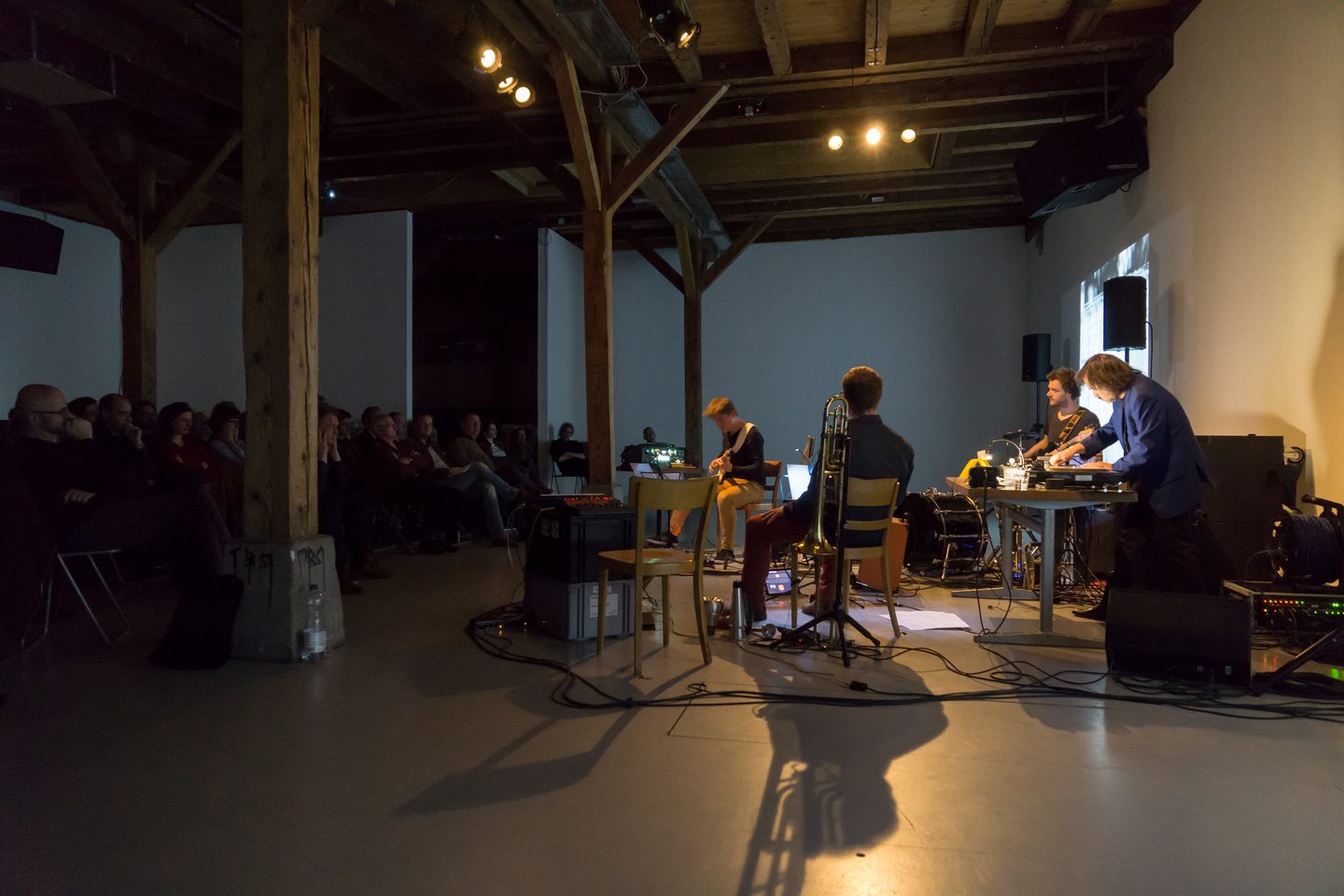
The first evening co-curated by the Belgian Nadar Ensemble and composer-turntablist Jorge Sánchez-Chiong, joining data visualisation, noise, pop appropriation and computer games with contemporary ensemble and electronic performance into one immersive concert.
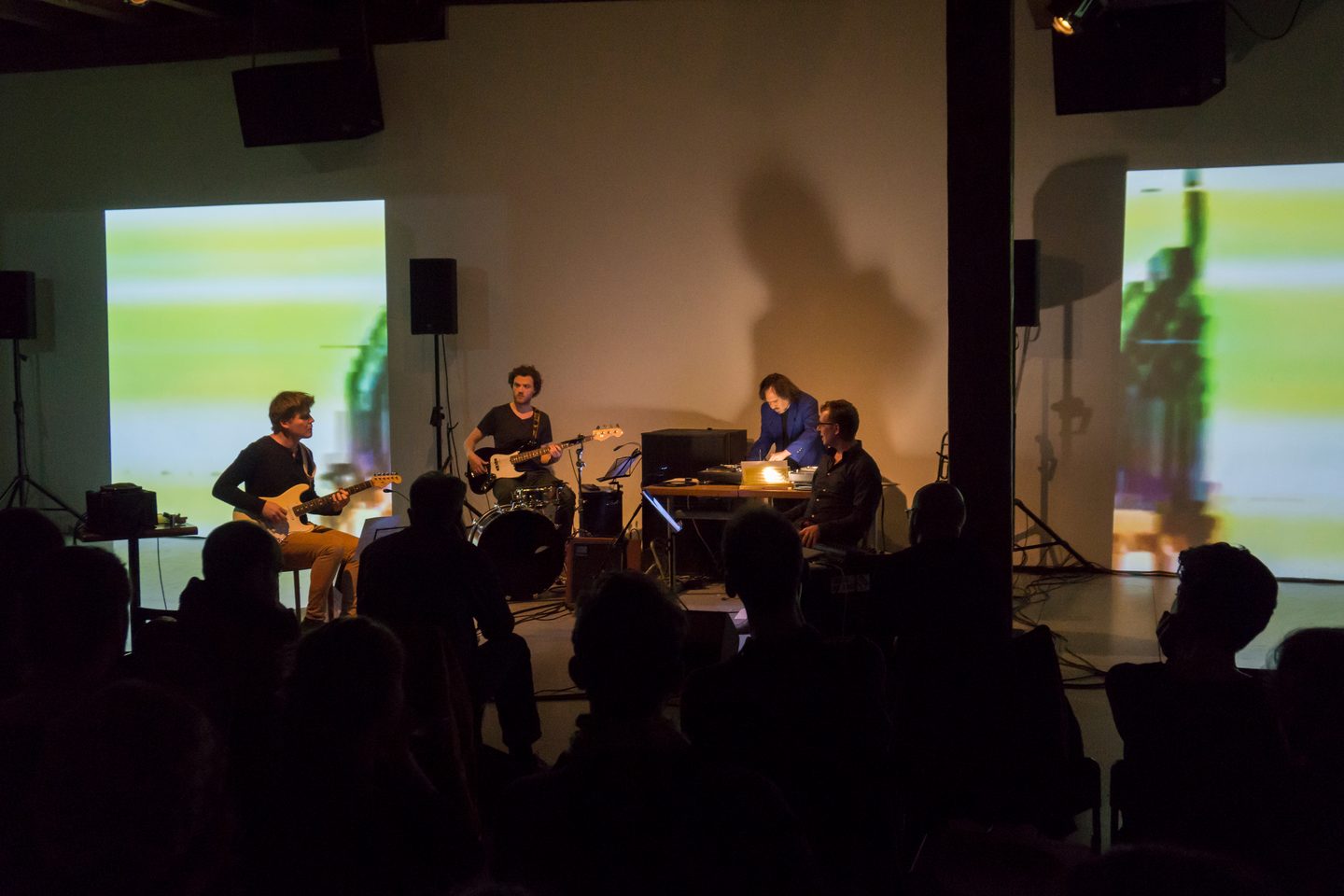
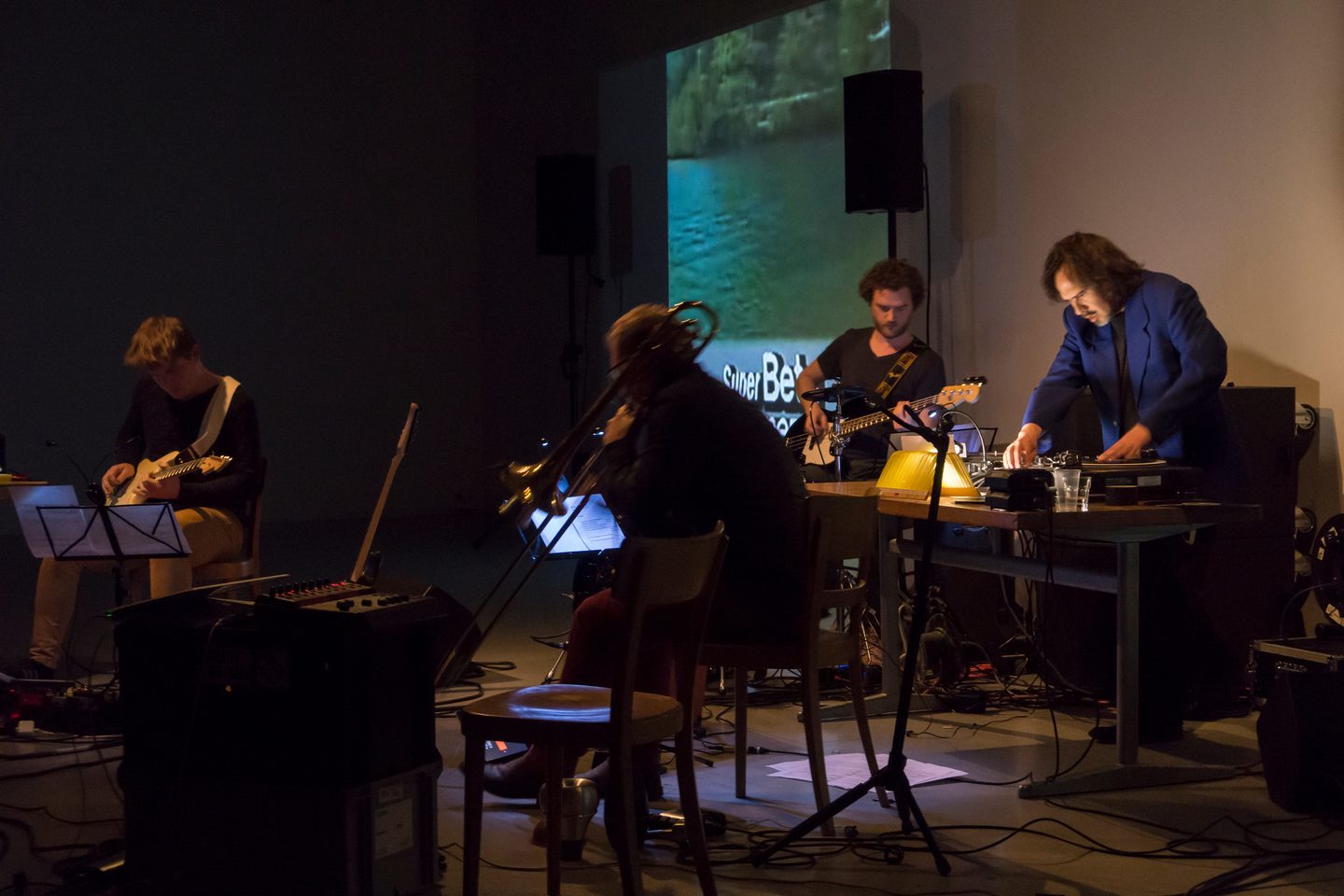
Sixteen sequentially prepared near-field wireless routers span sixteen networks, named “z” to “zzzzzzzzzzzzzzzz”, each differing in range and therefore in its magnetic field. Every field is picked up by a telephone bug, a cheap low-tech surveillance device, and turned into sound, so that each network has its own rhythm and timbre. Visitors can log into a network and thereby subtly shift the installation’s overall sonic arrangement.
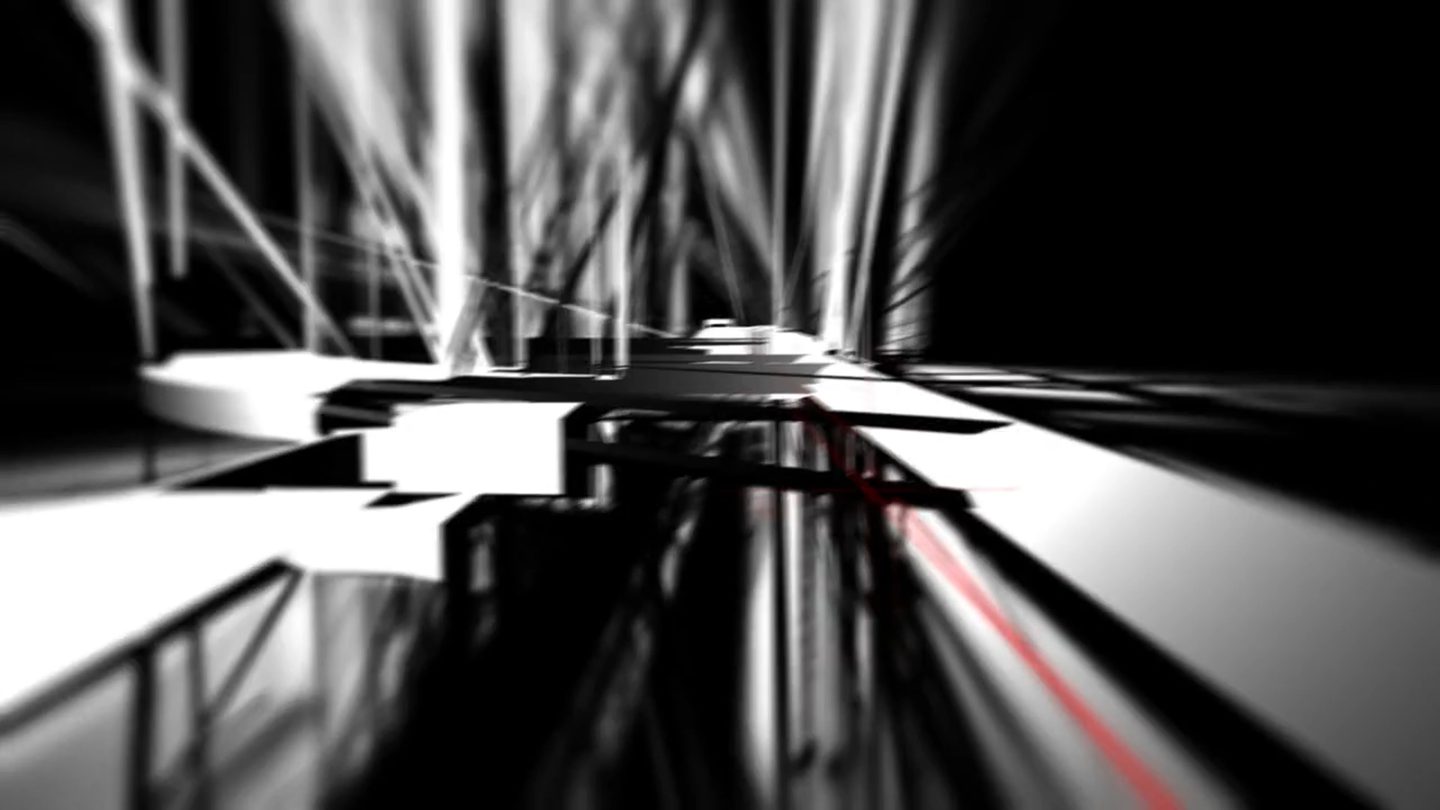
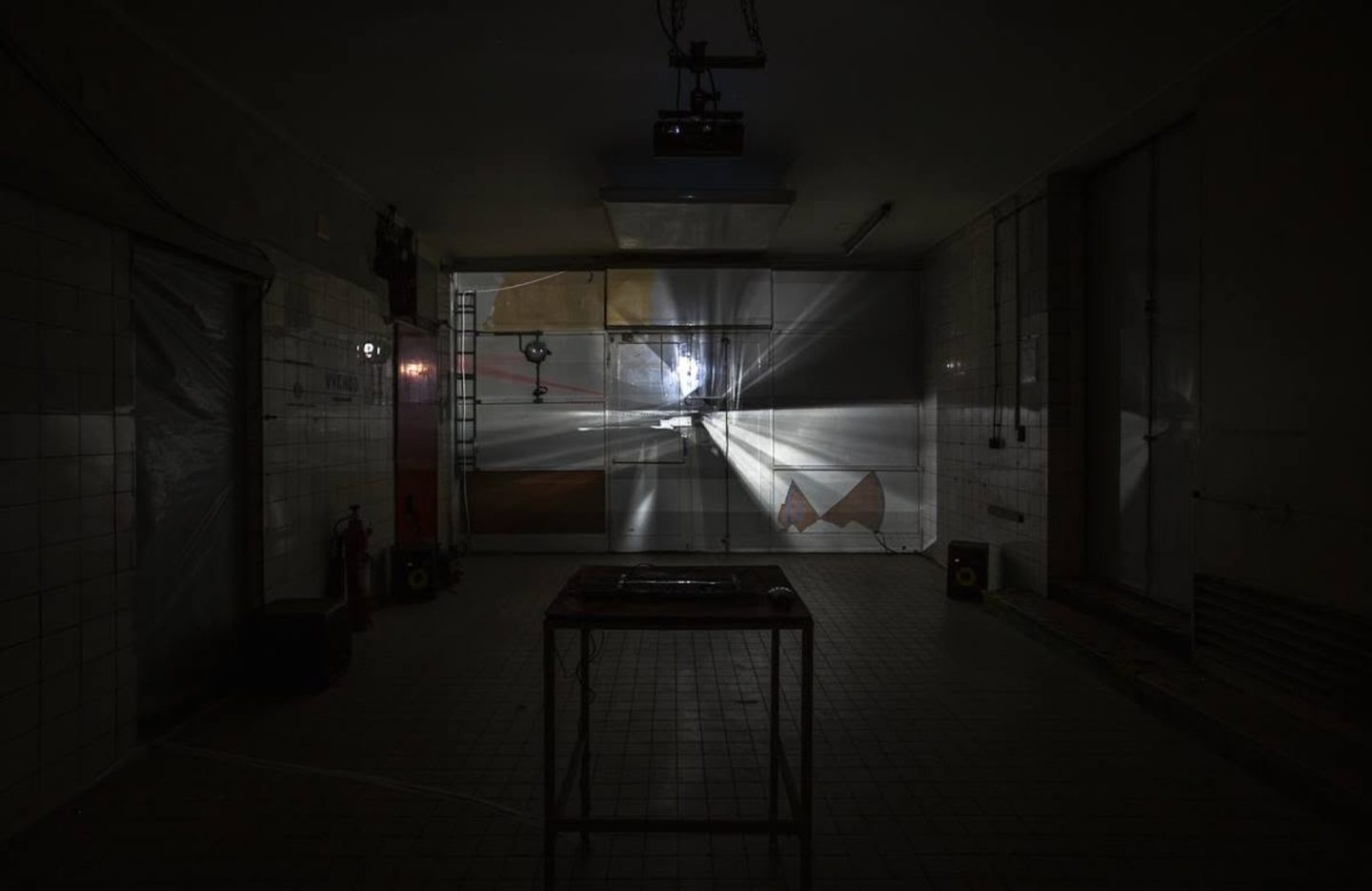
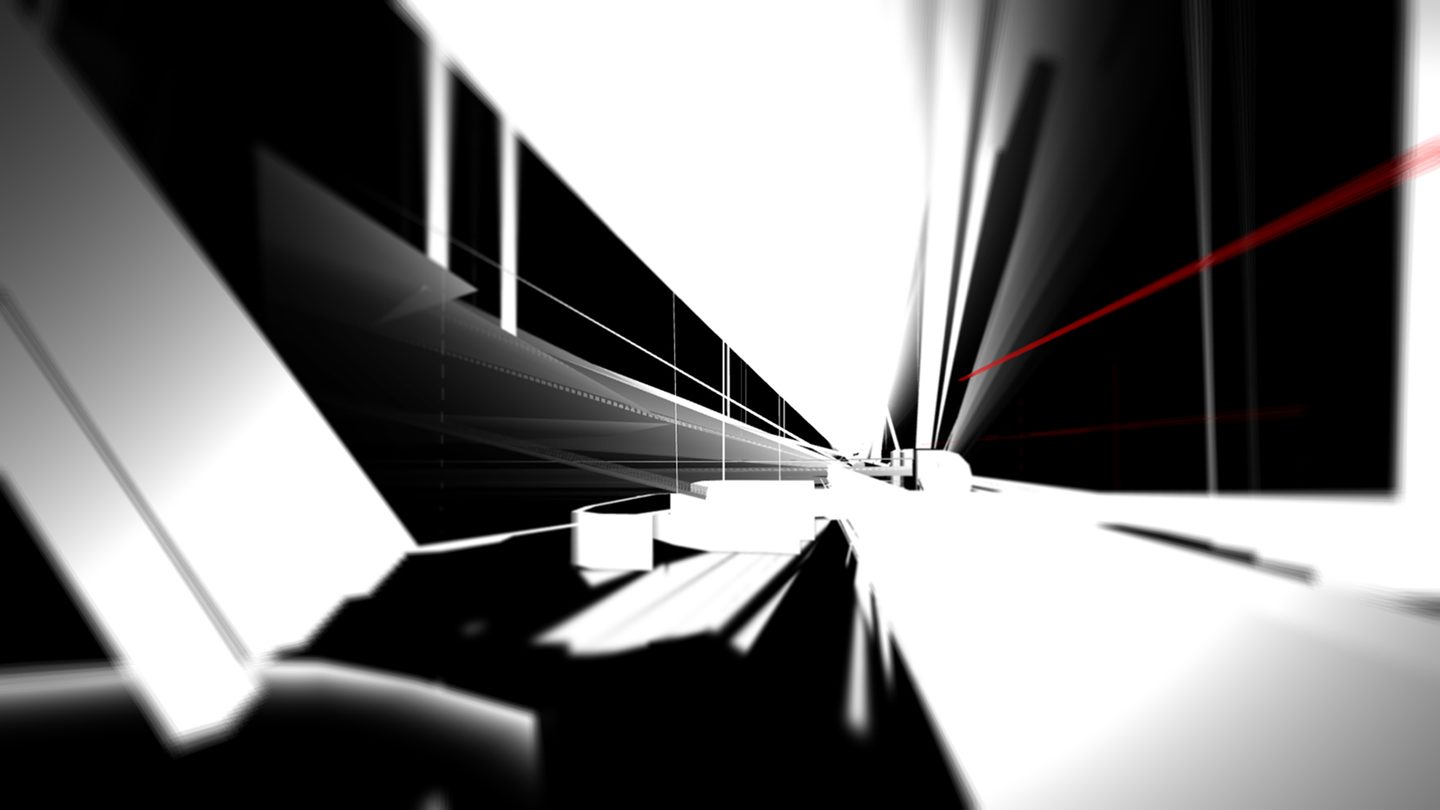
A game-engine-based, interactive projection made for the former baths of the Prague Electric Company. In an intense, stroboscopic audiovisual surrounding, the player wanders across a model of a 3D-printable, functional AK-47 obtained from the deep web; movement and chosen perspective continuously distort the environment. There is no challenge, goal or ending, except when the player, like a bullet, leaves the rifle and forces the application to restart. The application is freely available under copyleft.
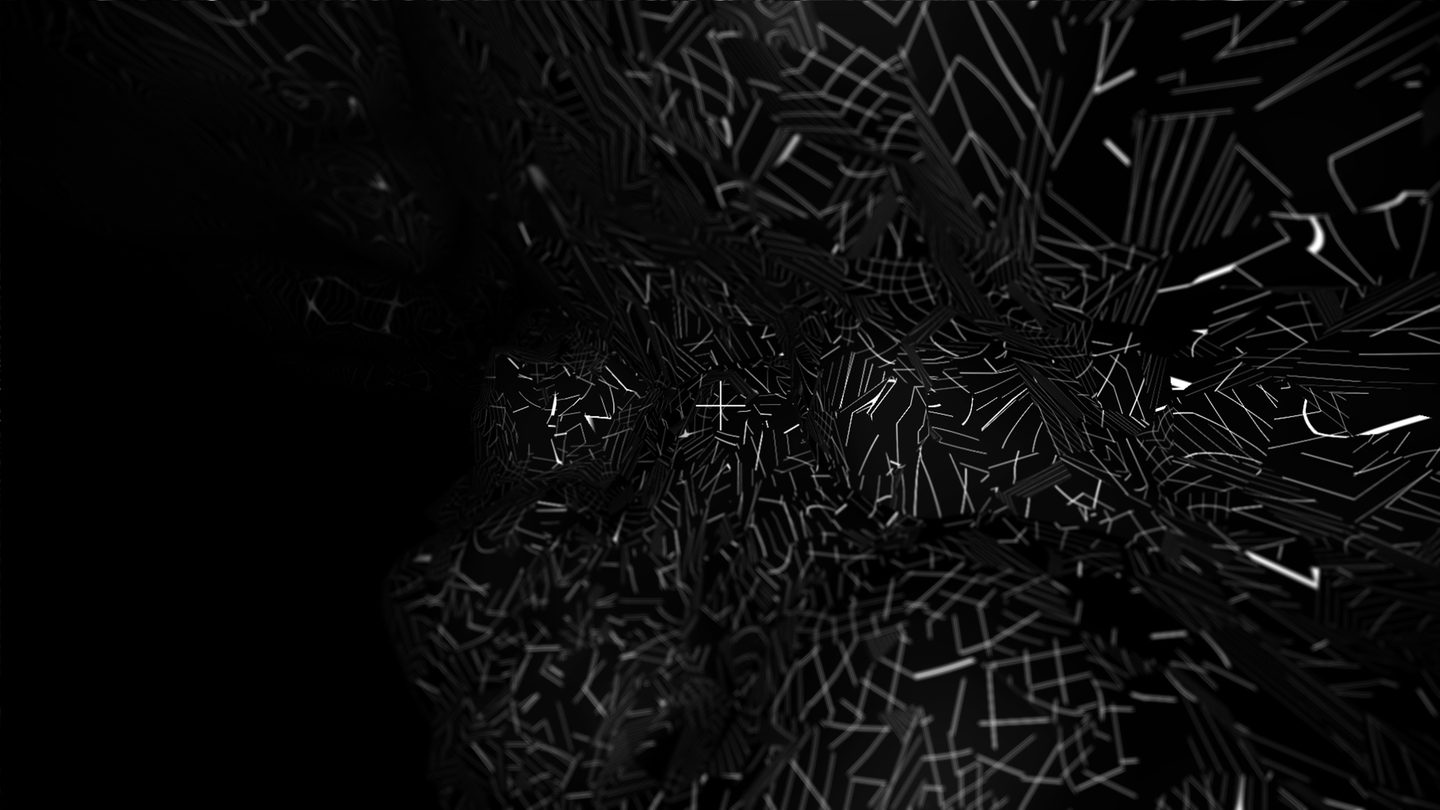
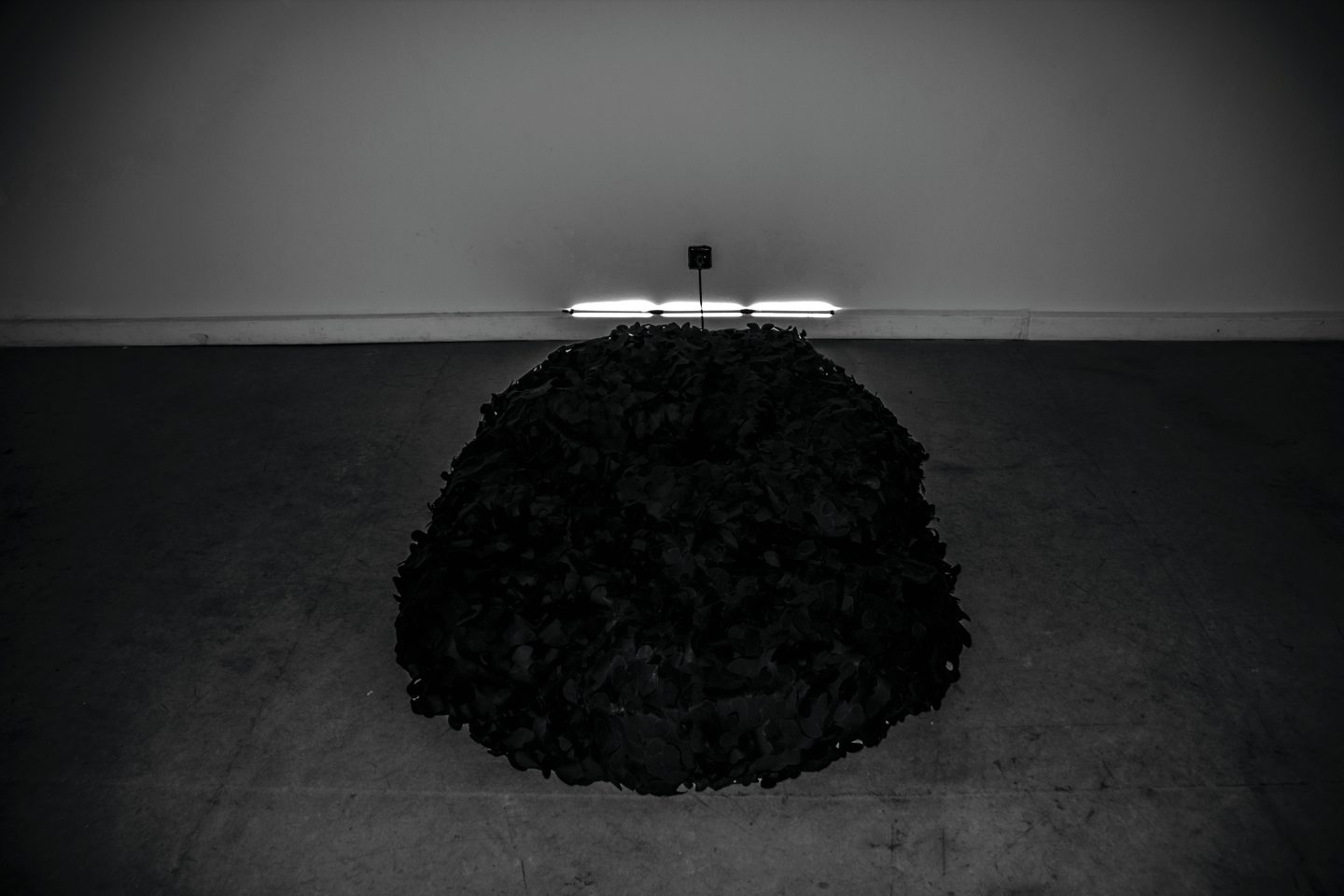
3D self-scanning extends the selfie into a new form of self-portrayal, and the wish for privacy seems as out of place as before. On the way to the perfect personal simulation, countless failed attempts are produced, mostly labelled simply “me” and left to decay in virtual space. Assembled into a game-like environment, these objects form a cemetery of imperfect identities that visitors access, explore and stimulate in an immersive, audiovisual and macabre way.
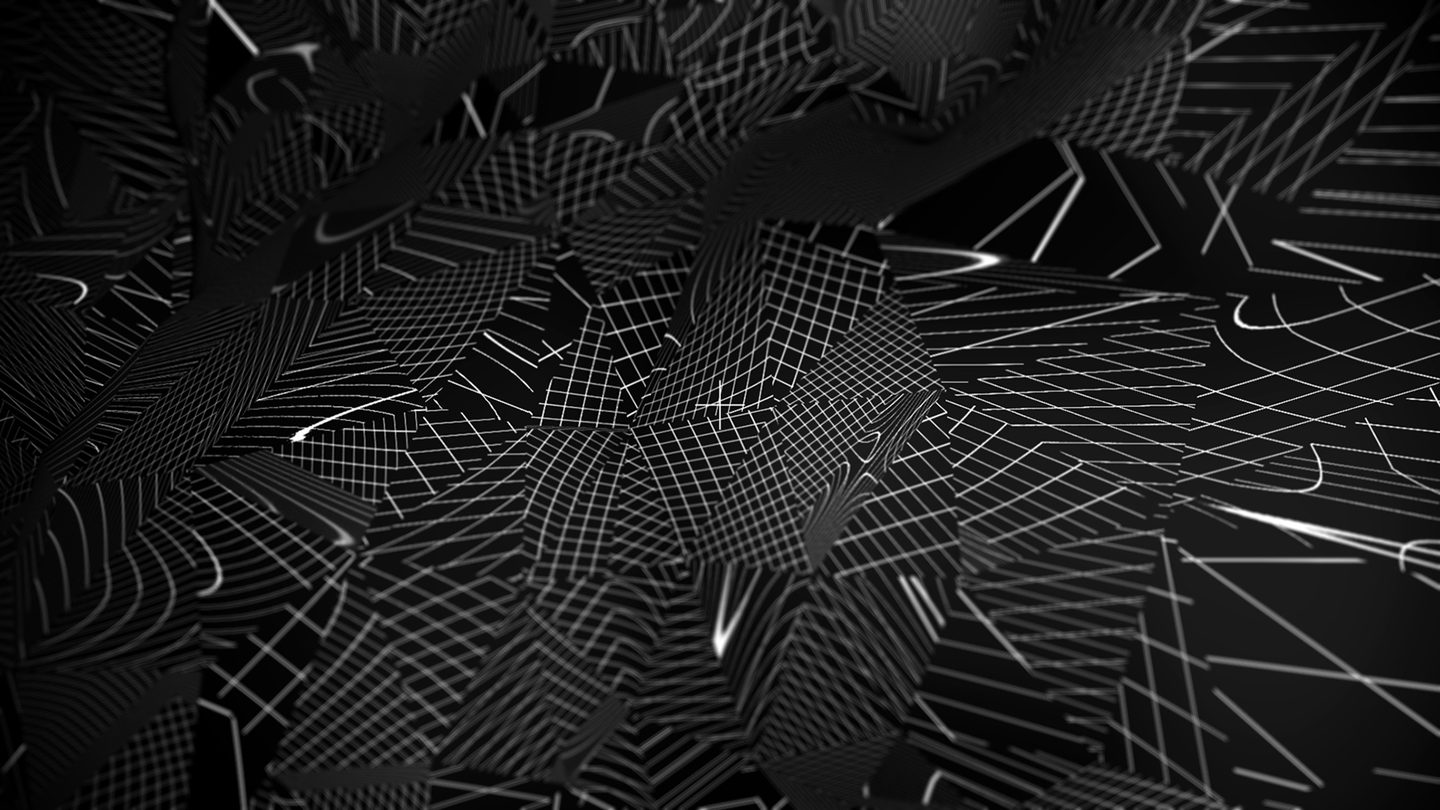
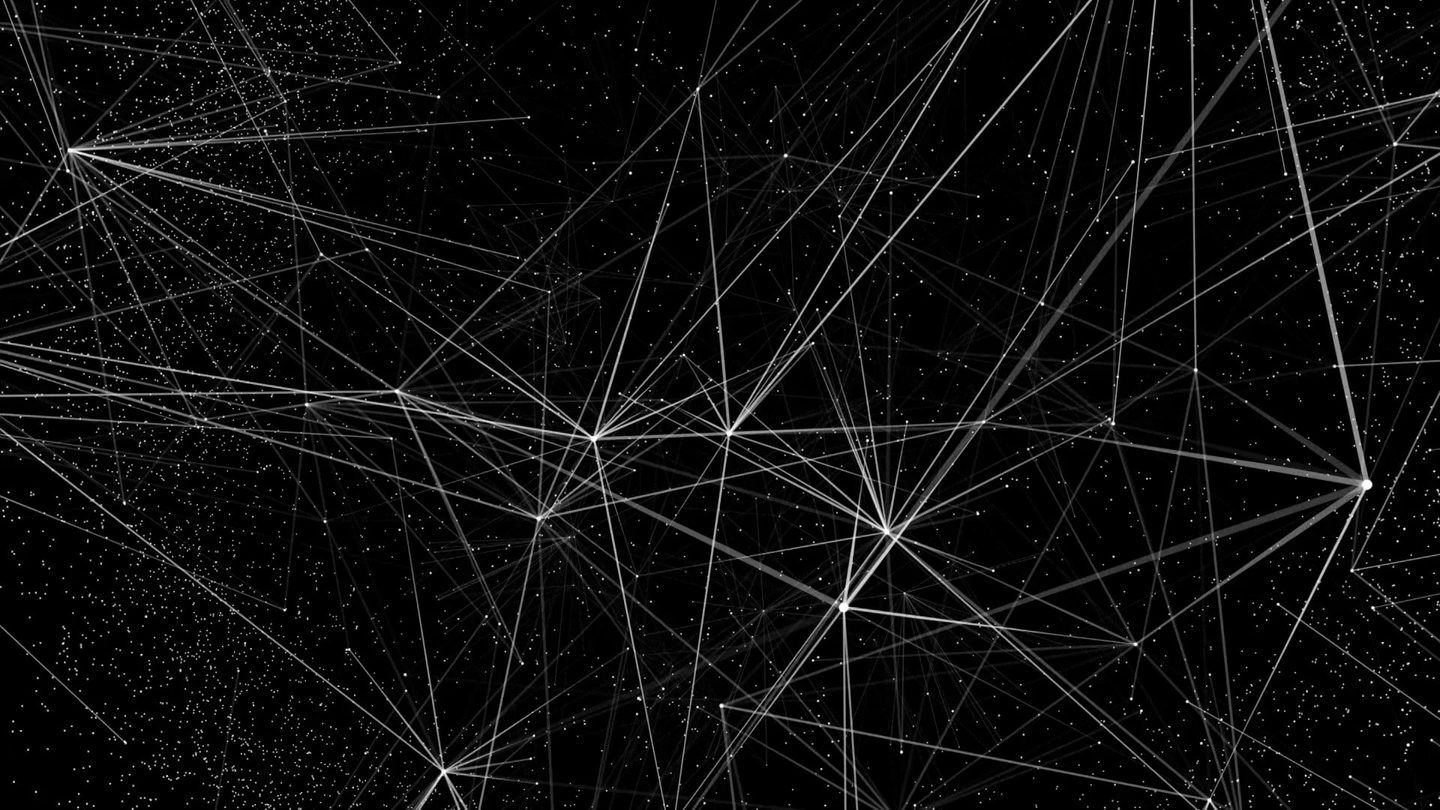
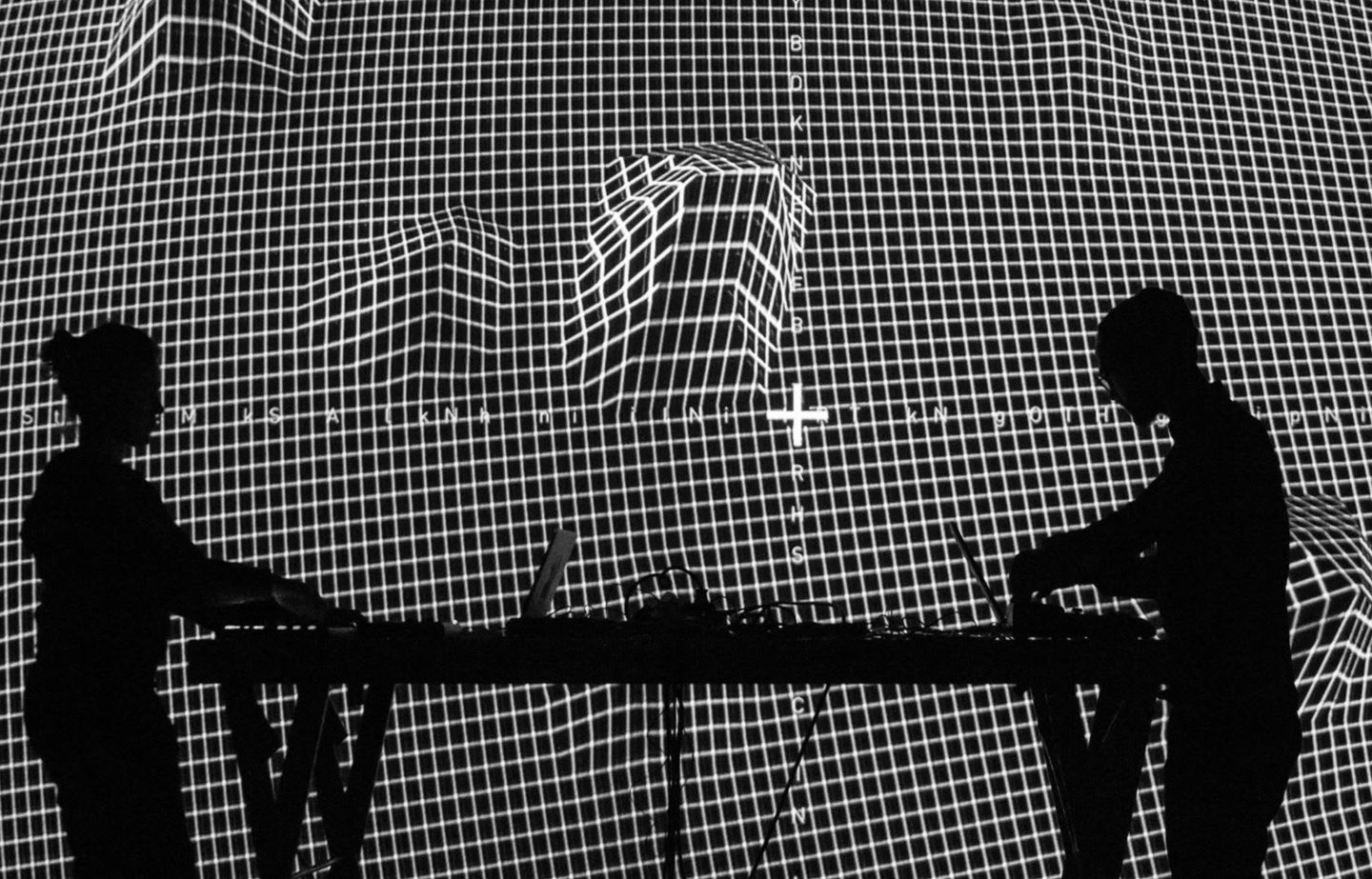
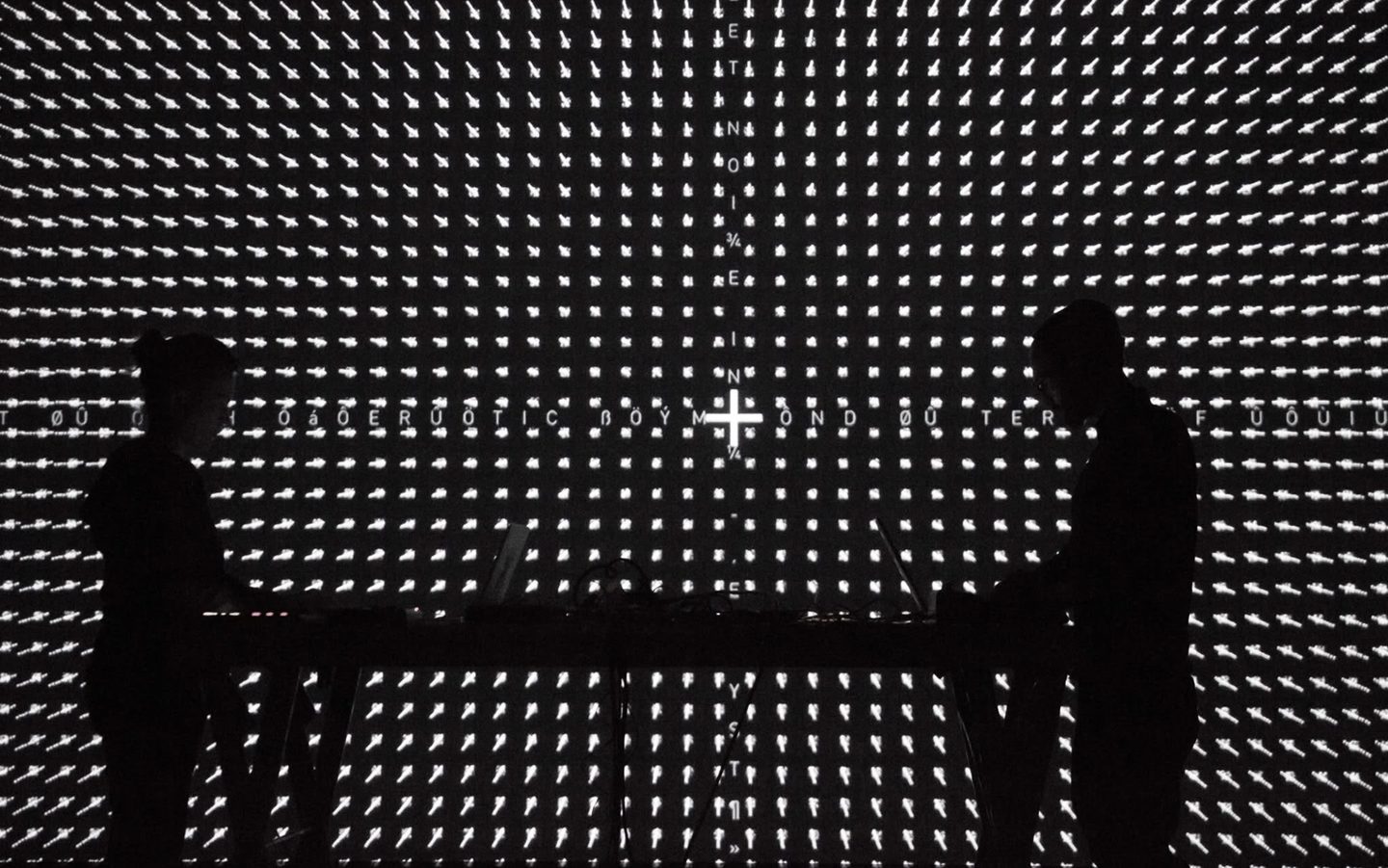
Every sound derives from a nine-second recording of a sentence by Sadie Plant at CTM 2014: “To let noise into the system is a kind of fine art.” For the visual layer, Wagensommerer modelled each character of the quote as a 3D object and recomposed the letters as a granular microcosm. The work stages the cybernetic art of control against the resistance of noise.
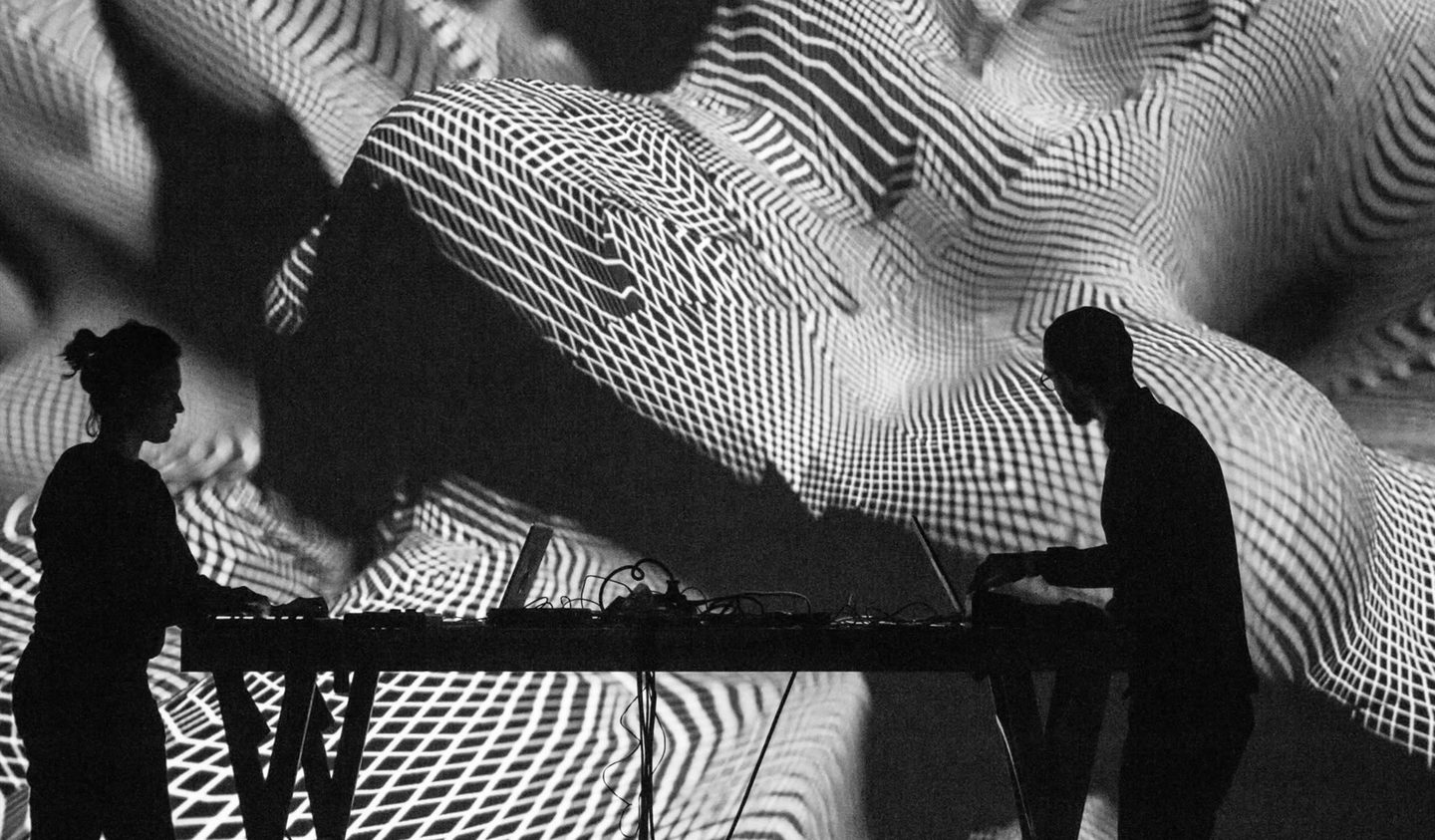
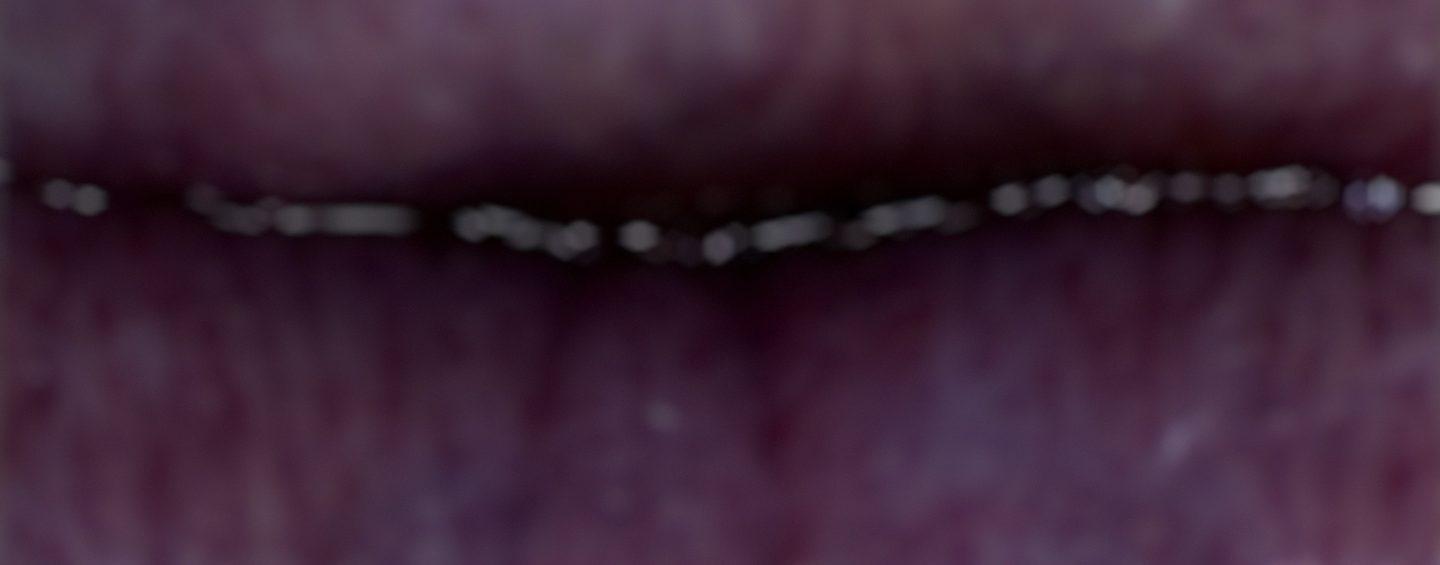
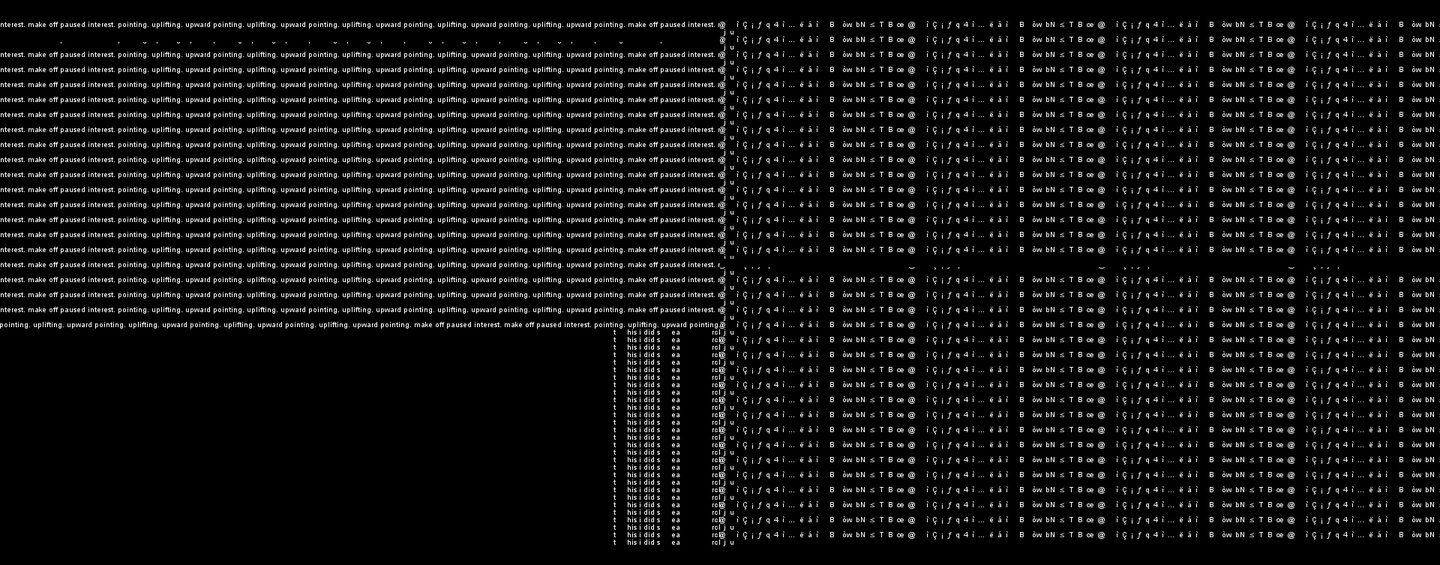
A speech-recognition algorithm searches online video and audio for the word “word”. The phrases around it are extracted, and the word itself is erased with the 1 kHz sine bleep of broadcast censorship. The resulting rhythm is tied to a poem on private censorship, which the artist screams with a microscope forced into his mouth. In the final part, all gathered signals and data merge into a Unicode representation of visual and sonic events.

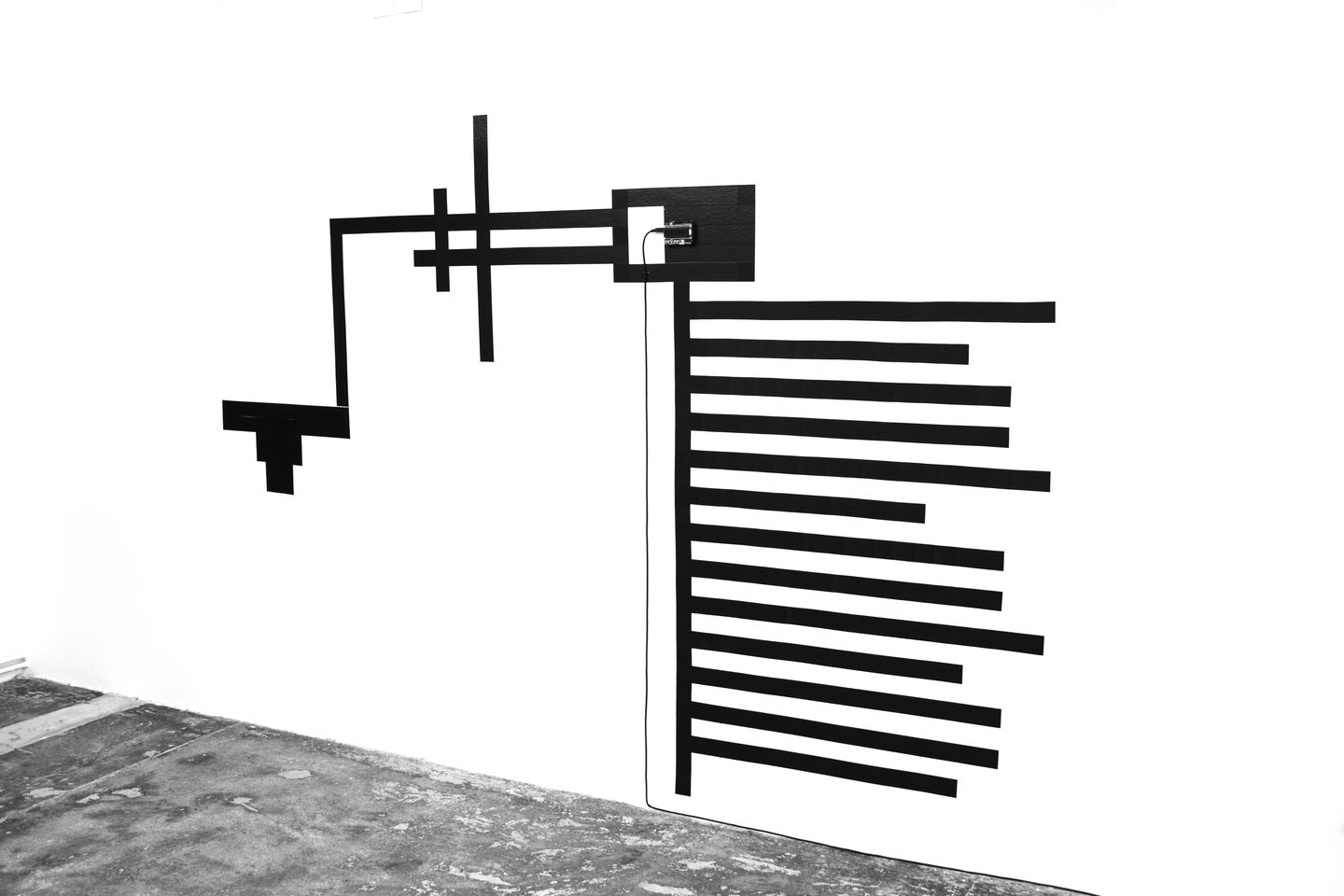
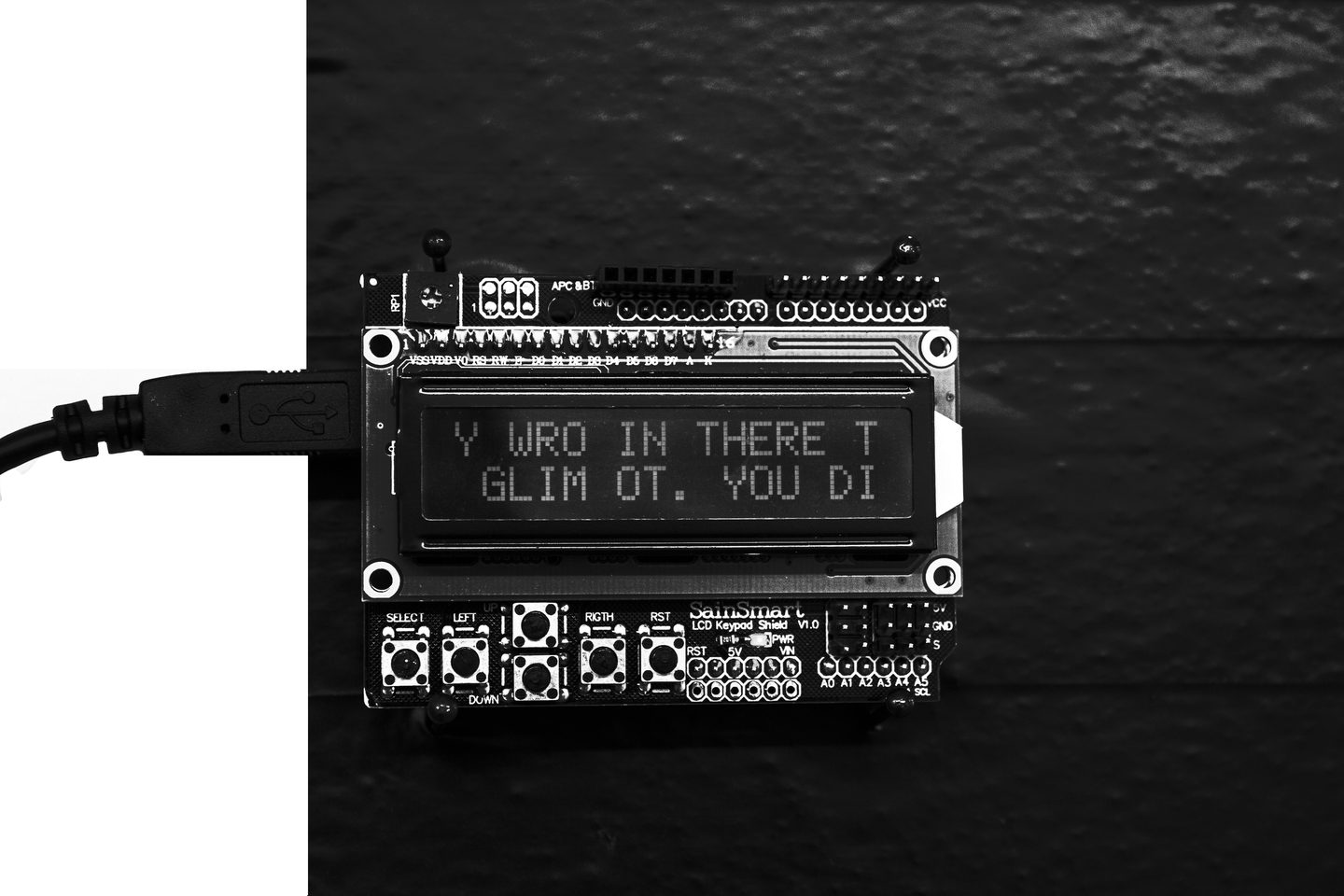
A poetic monologue of someone desperately trying to reach a loved one is fed into a generative application that recombines its phrases and words into new sentences on a small display; their erratic structure makes the outcome neither foreseeable nor recognisable. The vinyl-tape pattern around the display charts the composition of the monologue through quantitative text analysis: word count, reading speed, typing speed, frequency.
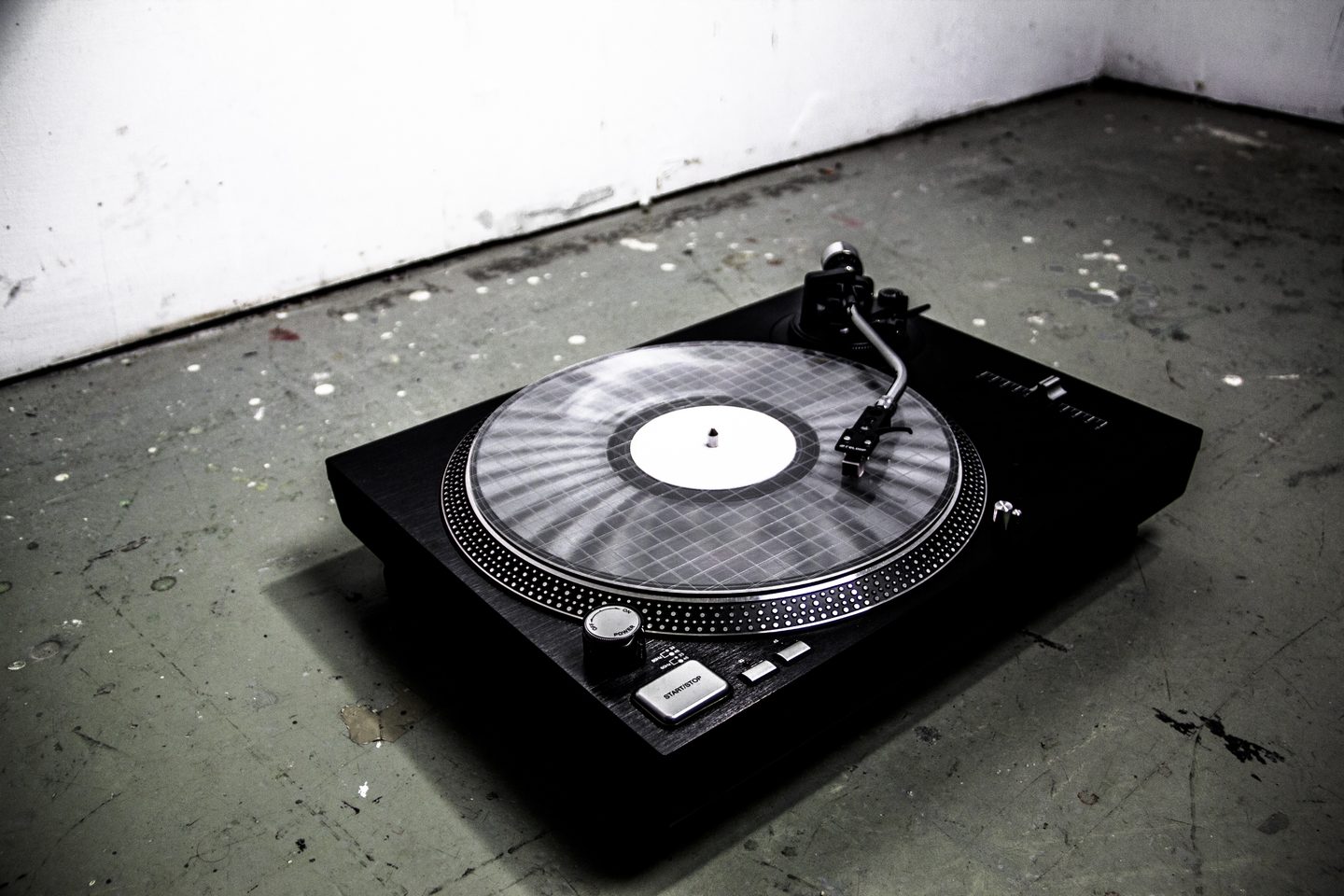
A motion-detection algorithm is applied to ten seconds of video recorded in near-total darkness. Forced to find motion where there is none, it reads the drift of noise artefacts as a moving object. This erratic, frame-by-frame movement is laser-engraved into a transparent record holding ten minutes of white noise. Whenever the needle meets the engraving, the noise breaks, and a generative application stretches the last state before the break into amplified moments of transition: a sonic image of the movement one believes to see in the dark.

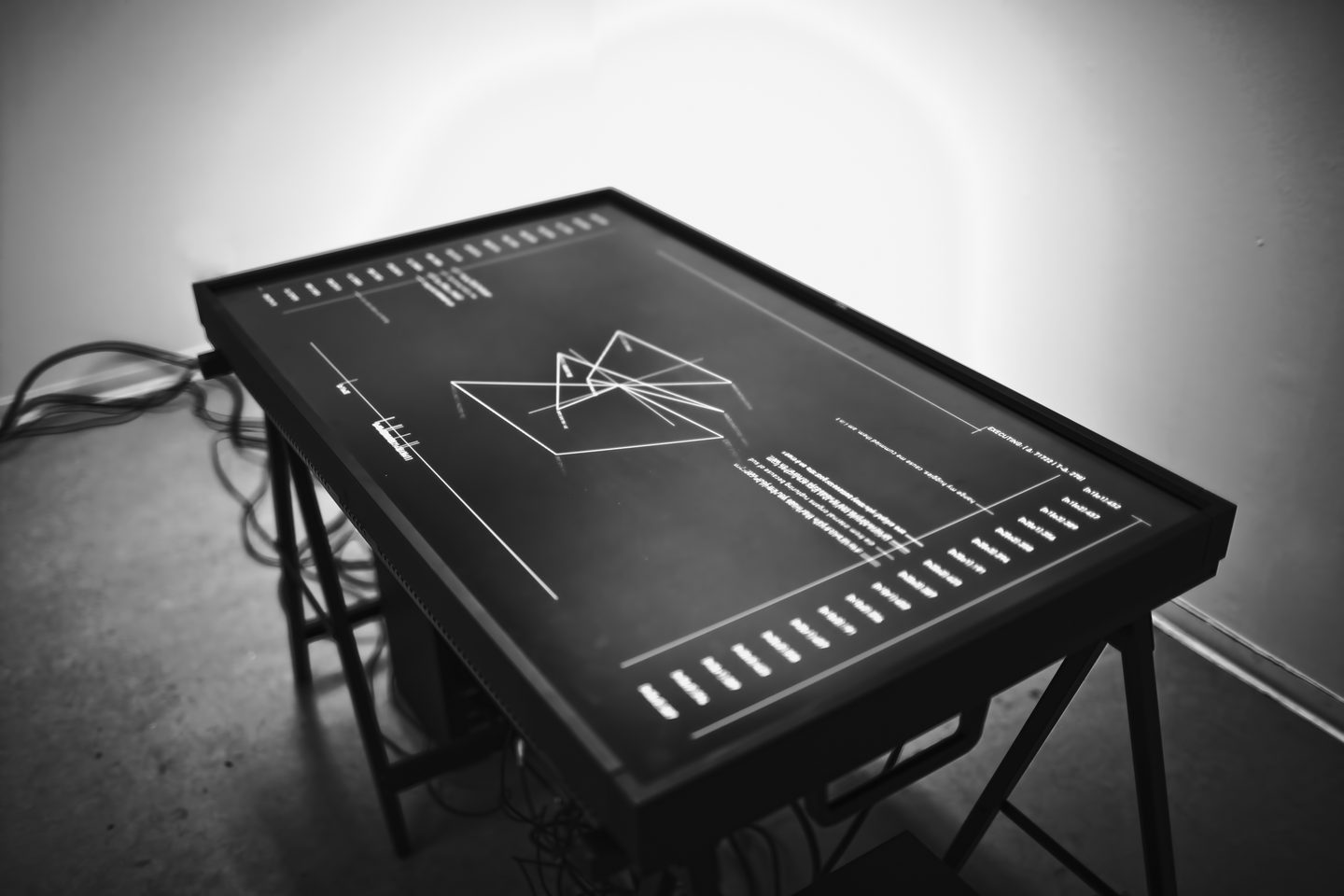
A generative real-time installation that pries open the Aristotelian unities of time, space and action. Conceived as an object-based theatre play on death in the forms of suicide, fatal accident and execution, it takes its material from the soundtracks of explicit online videos on these subjects. Depending on its current state, the system outputs these sounds in real-time transformation and displays the comments posted under each clip.
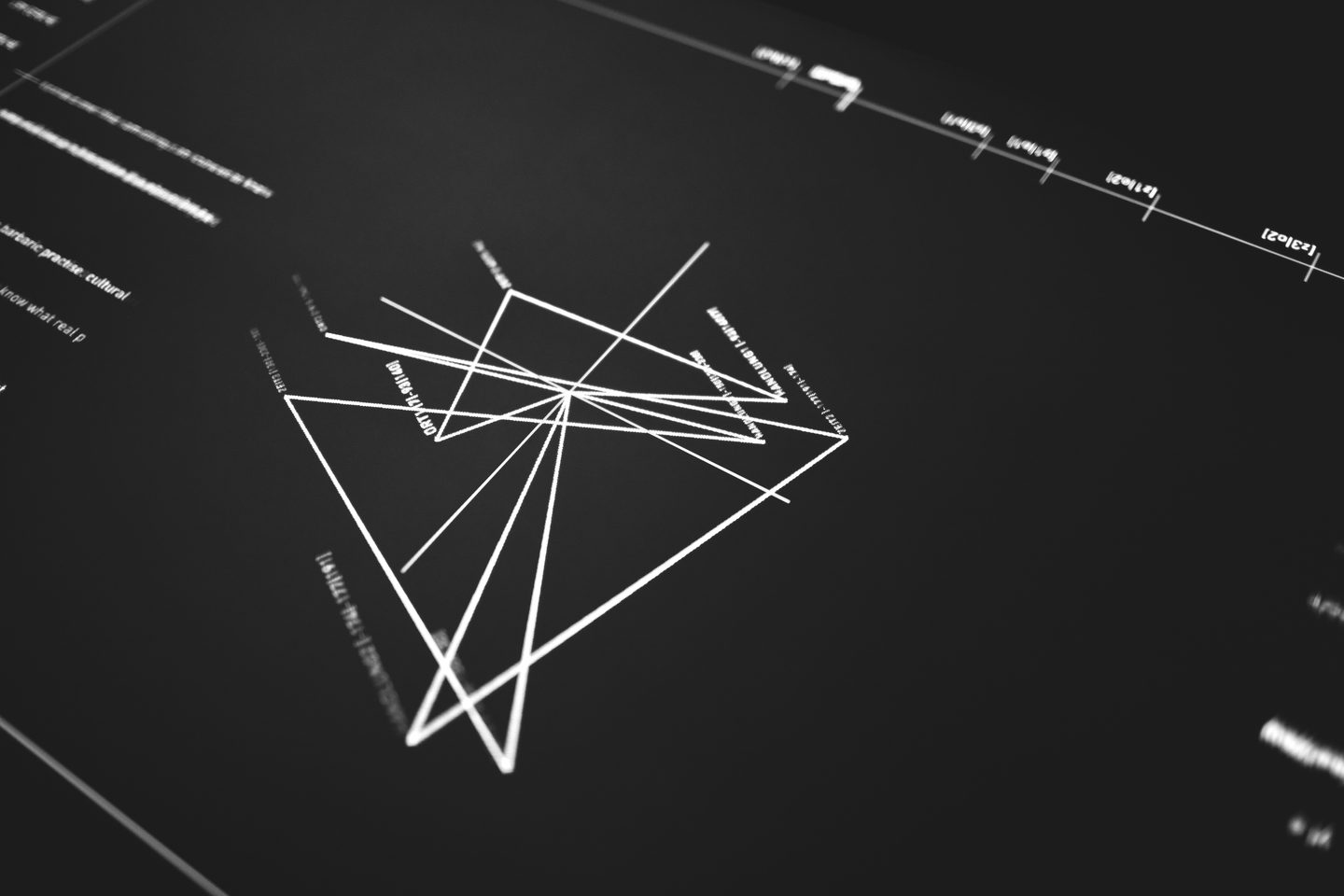
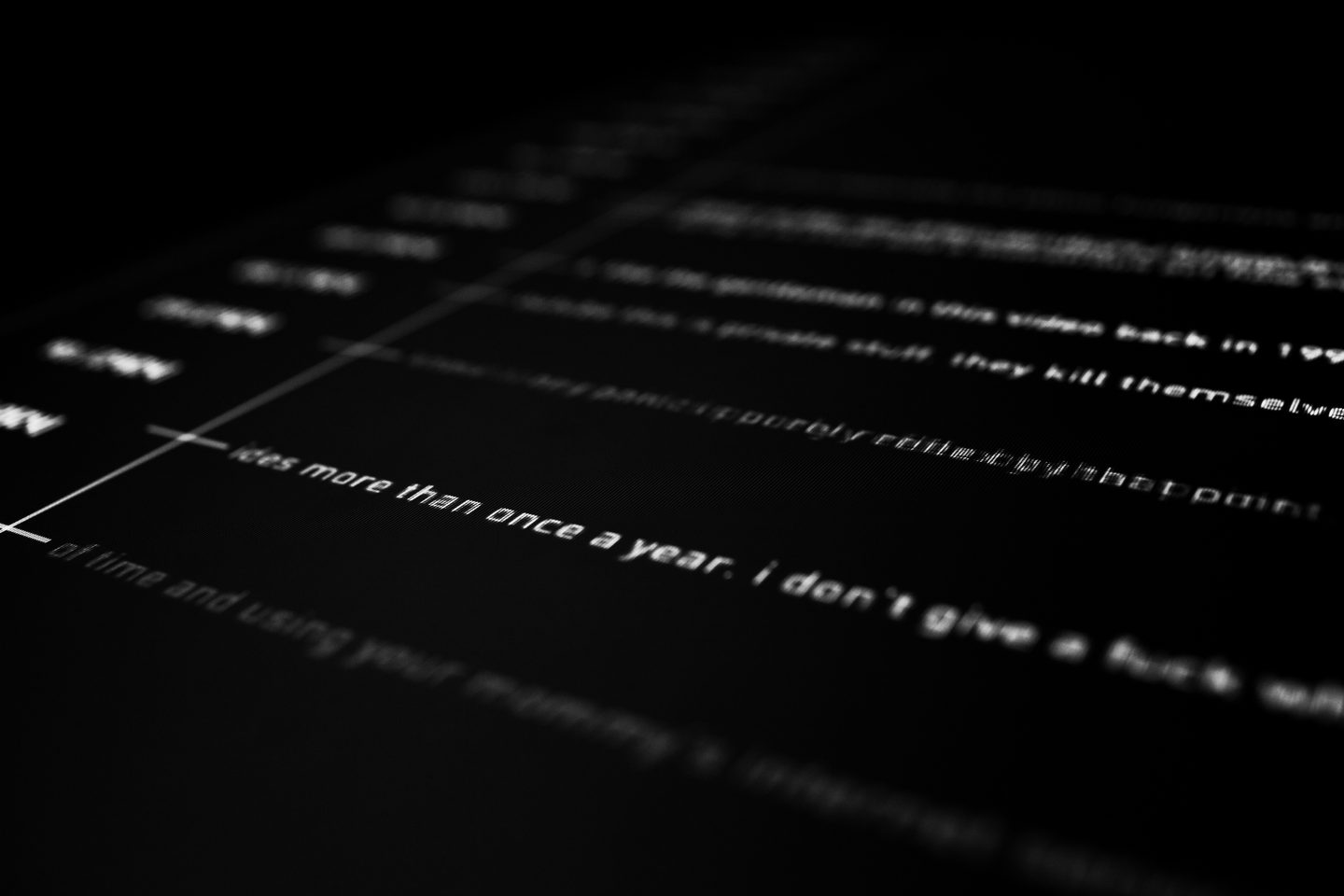
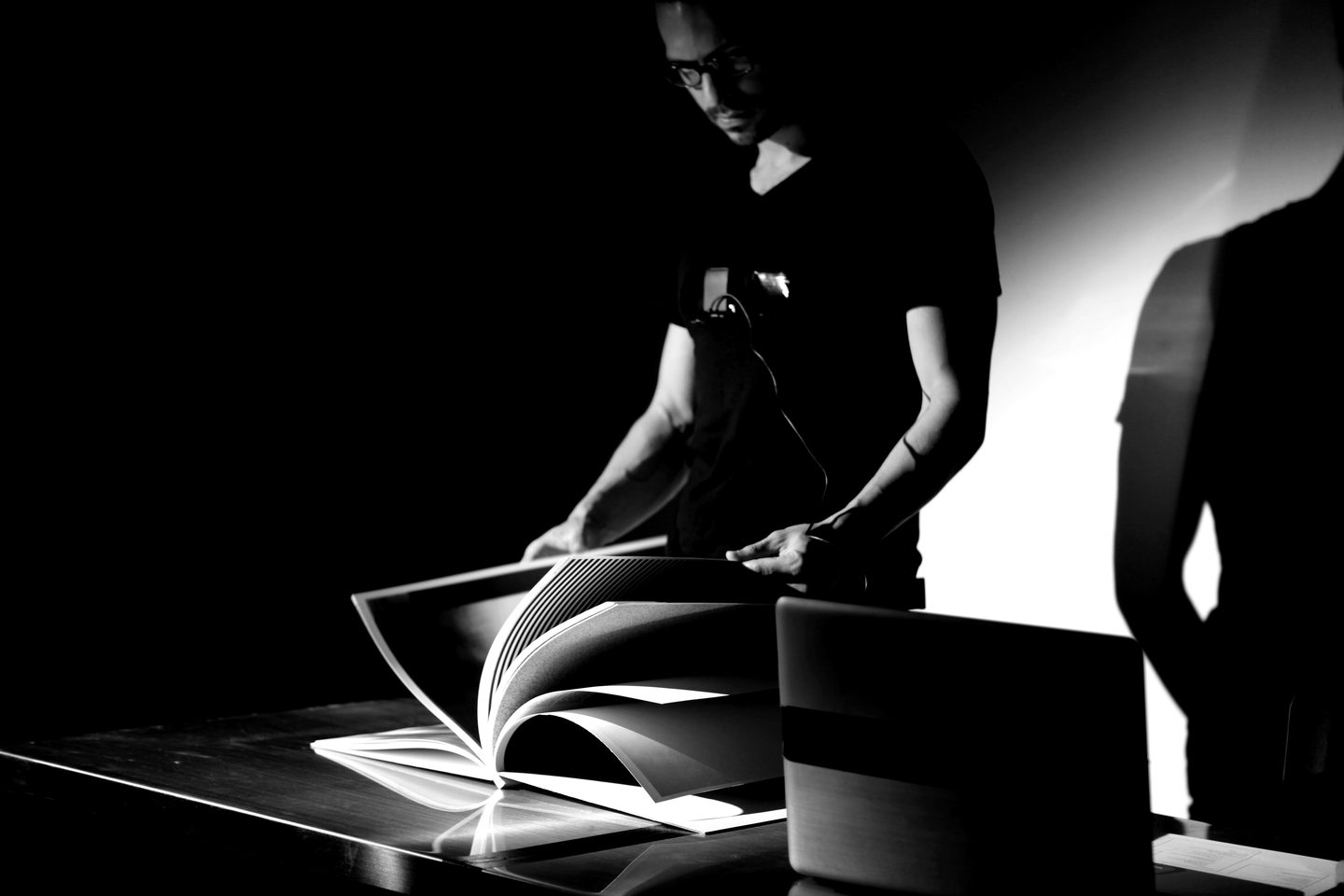
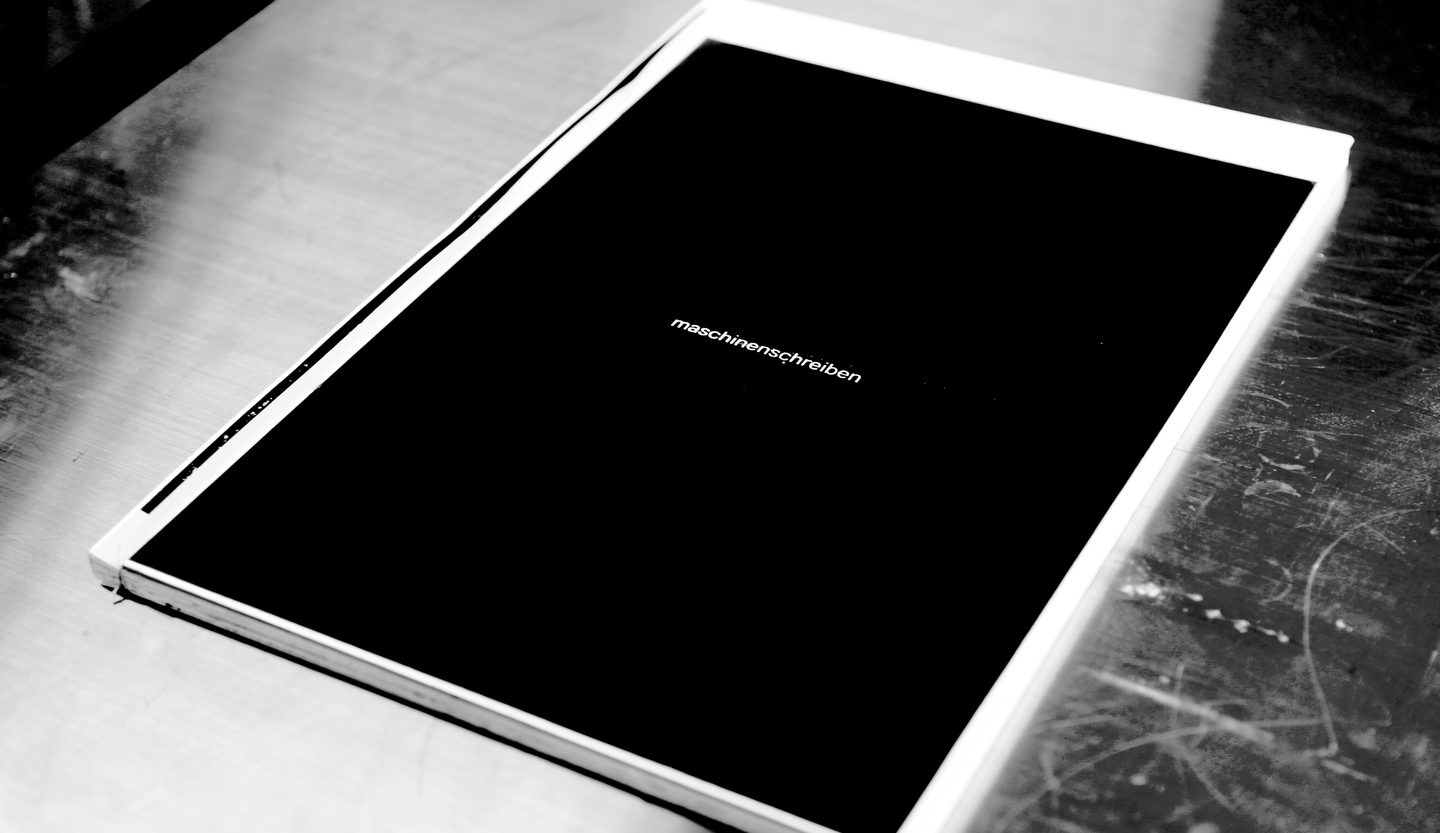
Nine handwritten texts describing solipsistic structures over time are abstracted by visually amplifying their semiotic representation; the digital source begins to produce unforeseen shapes and textures, and this concealed inner architecture is bound as a book. In the performance, the artist writes a program in front of the audience that scans the book page by page, assembles its content and finally outputs its sonic representation, ten to twenty seconds long.
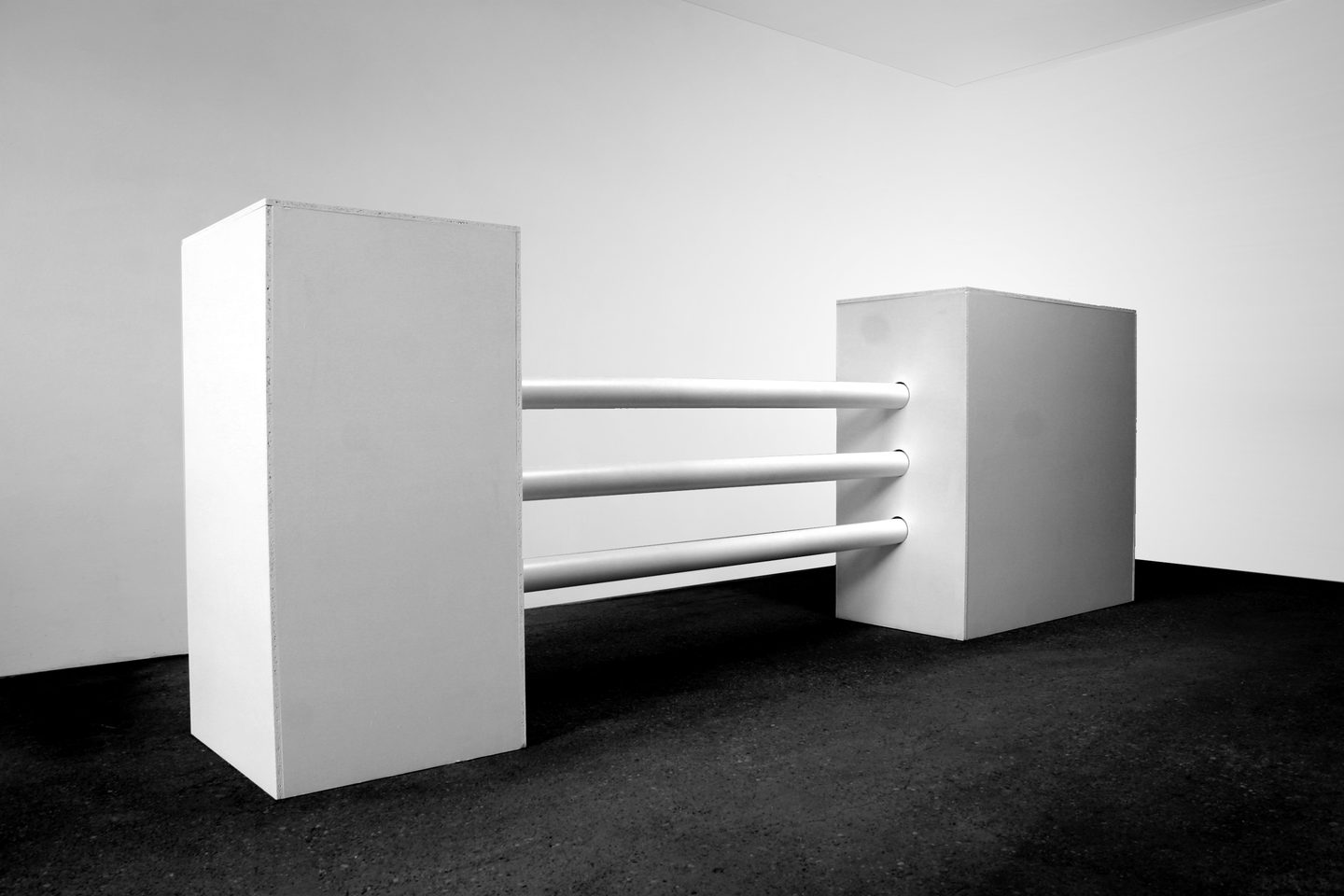
An object that works on the topology of silence. Wherever it is exhibited, one minute of silence is recorded and analysed byte by byte, and the unpredictable sequence that results modulates the live stream of sound and noise at the object’s location. Its architecture makes it a sequential amplifier, producing a continuous, alternating stream of sound in both digital and physical form.
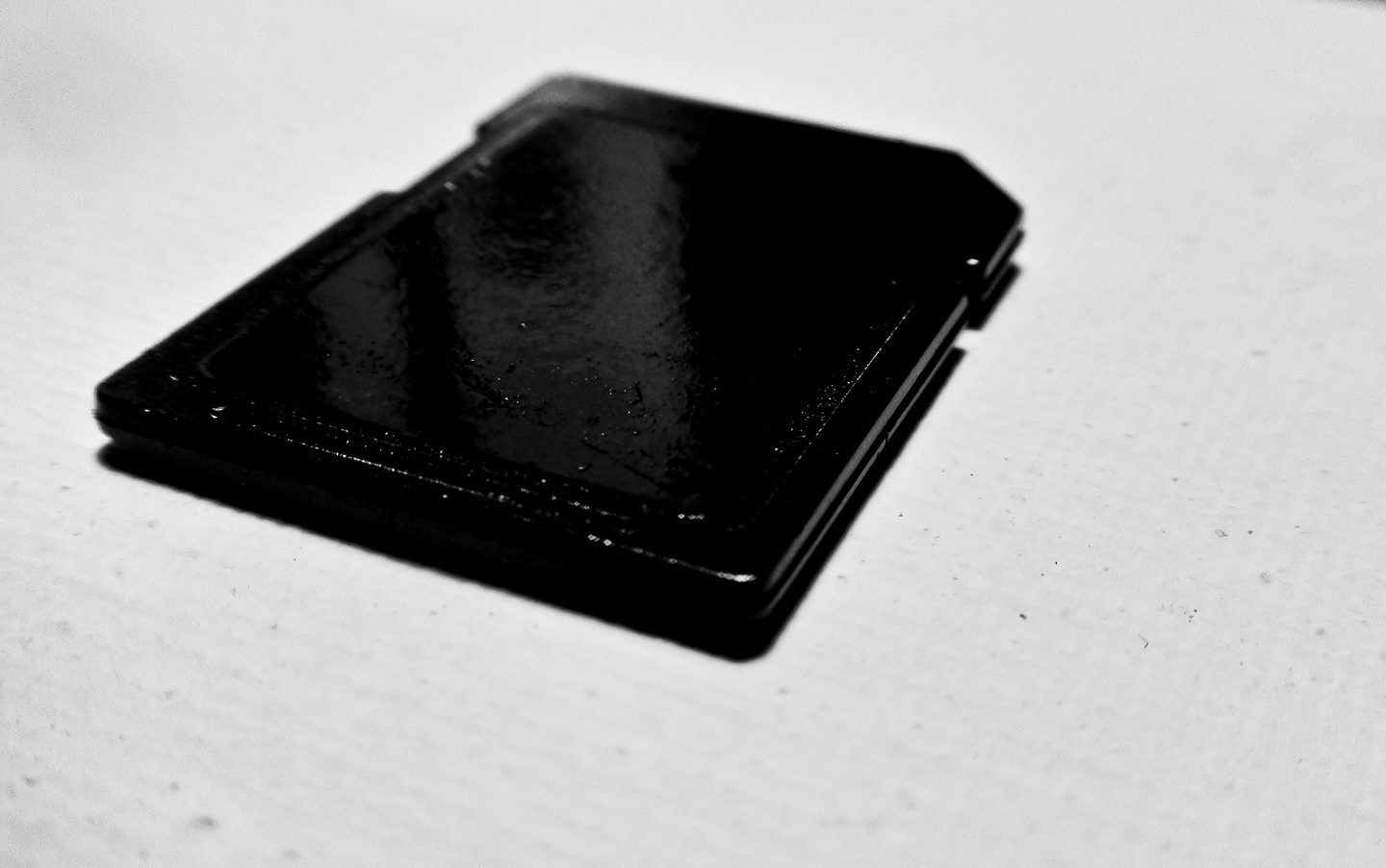
Once launched, the application links itself to the BBC news stream and turns the incoming data into abstract sonic and visual structures that grow throughout its run-time. By design, the stream gradually exhausts the host system and ends in a crash. Just before, the application saves its last frame to disk; a readme on the SD card asks the user to send it to the artist for his collection.
Thomas Wagensommerer